

Hormuz Closure Signals Shift in Global Power Dynamics
The ongoing closure of the Strait of Hormuz mirrors the 1956 Suez Crisis, highlighting the limits of military power against economic constraints.
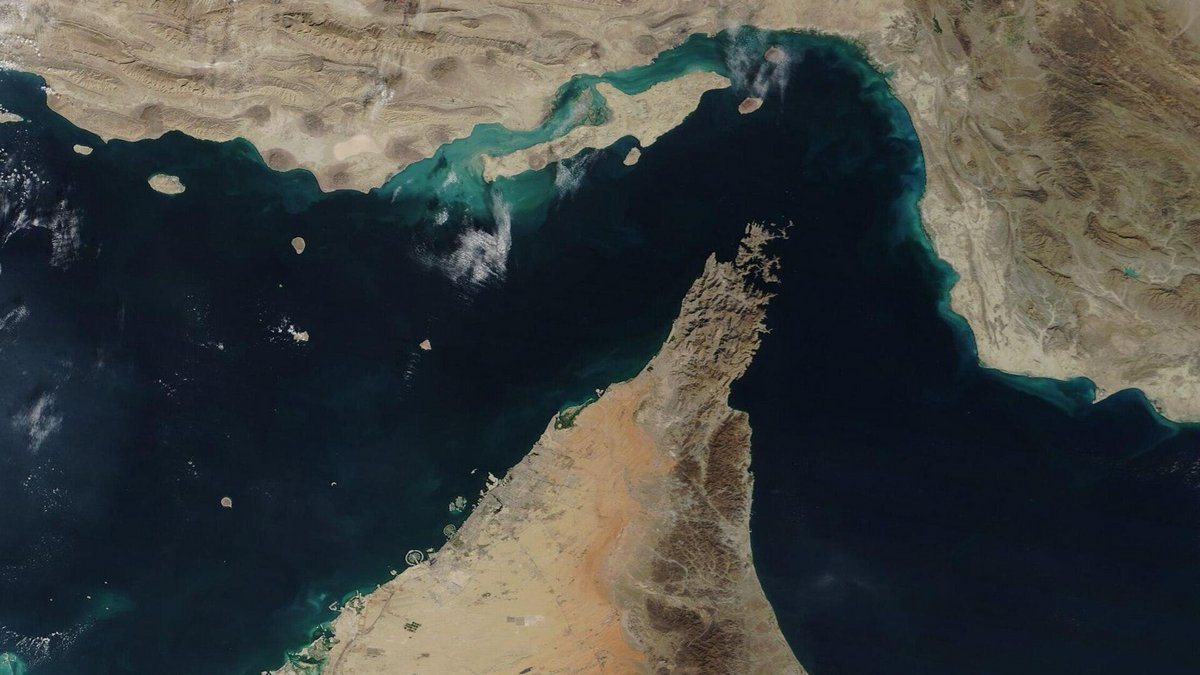
The ongoing closure of the Strait of Hormuz following the US and Israeli “Operation Epic Fury” against Iran has moved beyond a tactical maritime disruption, mirroring the geopolitical realignment of the 1956 Suez Crisis. While the UK has avoided direct military involvement, the crisis has already manifested in record-high diesel prices and a sharp spike in inflation, highlighting the immediate vulnerability of global supply chains to the waterway’s paralysis.
Geopolitical Overreach and Economic Constraints
The current situation echoes the miscalculations of the Suez Crisis, where Britain and France failed to recognize that military ambition could no longer be sustained by their waning economic power. Today, the US faces a similar divergence between its geopolitical objectives and its economic reality. While the US was once the undisputed superpower defined by wealth and geographic advantage, its relative economic dominance is being challenged by China, which now leads the US in terms of purchasing power parity.
A critical second-order effect of the conflict is the severe depletion of US munitions. Already strained by sustained support for Ukraine, American stockpiles have been further reduced by the war with Iran. This physical limit on military hardware, combined with signs of strain in the financial system that supports American power, suggests that the “exorbitant privilege” of the US dollar—the ability to finance debt easily due to its central role in global trade—may be reaching a breaking point.
The Influence of Domestic Politics
Domestic political cycles are increasingly dictating the tempo of the conflict. US midterm elections are placing significant pressure on the administration, while Israeli elections have reportedly influenced the timing and intensity of strikes. Historical parallels from 1956 show that such domestic distractions can lead to strategic miscalculations; back then, Britain and France wrongly assumed the US presidential election would prevent President Eisenhower from intervening against their invasion of Egypt.
The conflict is now being viewed through the lens of a “second cold war,” where proxy conflicts and the relationship between the US and China define the operational landscape. Just as the nationalization of the Suez Canal was a catalyst for Britain’s loss of superpower status, the Hormuz closure is forcing a reassessment of the limits of American power in an era where geoeconomic strength is shifting away from the West.
Current reports indicate that the US and Israel have developed plans to resume strikes following the conclusion of the US elections, even as the Strait remains largely impassable to commercial traffic.
Source: maritime-executive