

IRGC Smuggling Network Exposed as Iran Shifts to Caspian and Land Routes
A Reuters investigation reveals how Iran’s IRGC uses front companies and dual-use goods to bypass sanctions via Caspian and land trade routes.
A detailed investigation has uncovered a sophisticated procurement network managed by the Islamic Revolutionary Guard Corps (IRGC) to secure materials for its missile and drone programs. Internal banking and invoice documents from the Iranian Ministry of Defense reveal that the IRGC serves as the central coordinator for a web of front companies designed to bypass international sanctions and customs controls.
The network relies heavily on the misclassification of dual-use materials. According to the investigation, items such as European-made trucks and Chinese-manufactured sodium perchlorate are imported under non-contentious product codes. While these goods have legitimate civilian applications in agriculture and transport, they are diverted to military facilities in Parchin and Khojir for use in mobile missile launchers and rocket fuel production for the Kheibar Shekan and Fattah missile programs.
The Shift from Maritime to Inland Corridors
The significance of this network lies in its adaptation to the current naval blockade of Iran. Historically, Bandar Abbas handled approximately 80 percent of Iran’s non-oil and gas imports. With maritime access severely restricted, the IRGC has redirected its procurement efforts toward land and rail routes through neighboring Central Asian countries, Turkey, and the Caspian Sea.
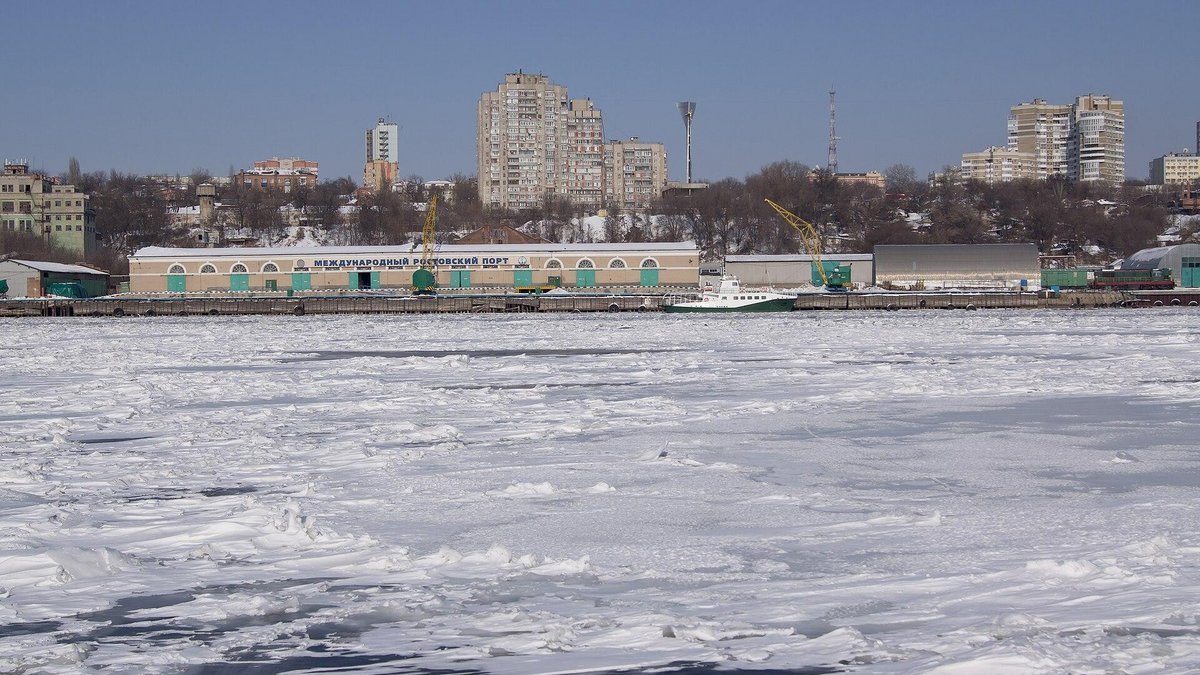
This shift has created a critical bottleneck in Iran’s remaining trade infrastructure. The truck route from Turkey via Bazargan is currently experiencing five-day delays, while rail links from Russia through Inche-Burun and from China through Sarakhs are operating at maximum capacity. For maritime operators, the most notable development is the transformation of Caspian Sea shipping between Astrakhan and the Iranian ports of Bandar Anzali and Amirabad, which are now largely reserved for IRGC-prioritized cargo.
Operational and Regulatory Implications
The exposure of these specific financial and logistics channels is expected to trigger a new wave of US Treasury sanctions targeting the identified export-import agencies and financial institutions. For the global shipping and logistics industry, the investigation highlights the extreme risk of indirect exposure to IRGC procurement, as vehicle manufacturers and suppliers were often unaware that goods consigned to Central Asian neighbors were being forwarded to Iran.
Furthermore, the IRGC’s prioritization of military cargo is effectively crowding out civilian trade. As the Iranian government loses oil revenue, the limited capacity of remaining road, rail, and Caspian shipping routes is being monopolized by the military. This creates a secondary impact of hyperinflation and shortages for the domestic population while increasing the likelihood of “technical” delays at border crossings such as Rimdan and Al Sheeb as international pressure mounts.
Current intelligence suggests that while traditional air and sea routes remain largely closed, the IRGC continues to utilize Russian and Chinese military flights operating with transponders switched off. The restoration of Starlink services in the region may also introduce new variables in monitoring and potentially disrupting trans-Caspian shipping movements.
Source: maritime-executive