

Kenya Advances $1 Billion Port Concession Plan
Kenya moves forward with a $1 billion port concession plan to privatize key assets and improve operational efficiency at its maritime gateways.
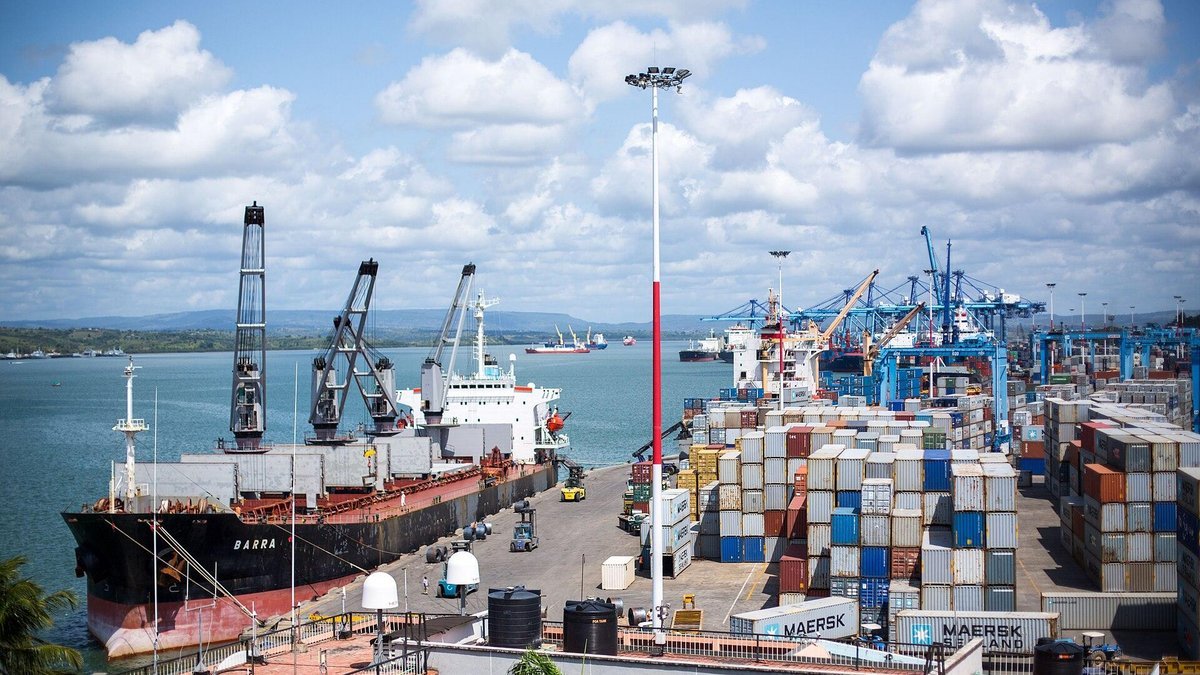
The Kenyan government is advancing a significant port concession plan valued at $1 billion, signaling a major transition toward private sector participation in the country’s maritime infrastructure. The move is expected to transform the management of Kenya’s primary gateways by shifting from a state-operated model to a landlord port framework, where private entities manage operations under long-term lease agreements.
The $1 billion valuation indicates a high-stakes effort to modernize terminal facilities and enhance cargo handling capacity. By inviting private investment, Kenya aims to secure substantial upfront capital and ongoing commitments for infrastructure upgrades, which are essential for maintaining the competitiveness of its trade corridors. This development suggests a strategic priority to reduce the state’s direct financial burden while leveraging the technical expertise of global terminal operators.
Regional Competitive Implications
For the maritime industry, the progression of this plan implies a forthcoming shift in the competitive landscape of East African shipping. The introduction of private operators typically leads to improved vessel turnaround times and more efficient terminal logistics, which could influence freight rates and carrier network configurations in the region. The scale of the investment suggests that the concessions will likely attract interest from major international port groups seeking to expand their footprint in the African market.
The current status of the plan reflects a move into the formal stages of procurement or regulatory adjustment. As the process moves forward, the focus will likely turn to the specific terms of the concessions and the balance of operational control between the state and private partners.
Source: maritime-executive