

Somali Pirates Hijack Iranian Fishing Vessel
The hijacking of an Iranian fishing vessel off Somalia signals a growing threat as pirates seek motherships to target commercial shipping.
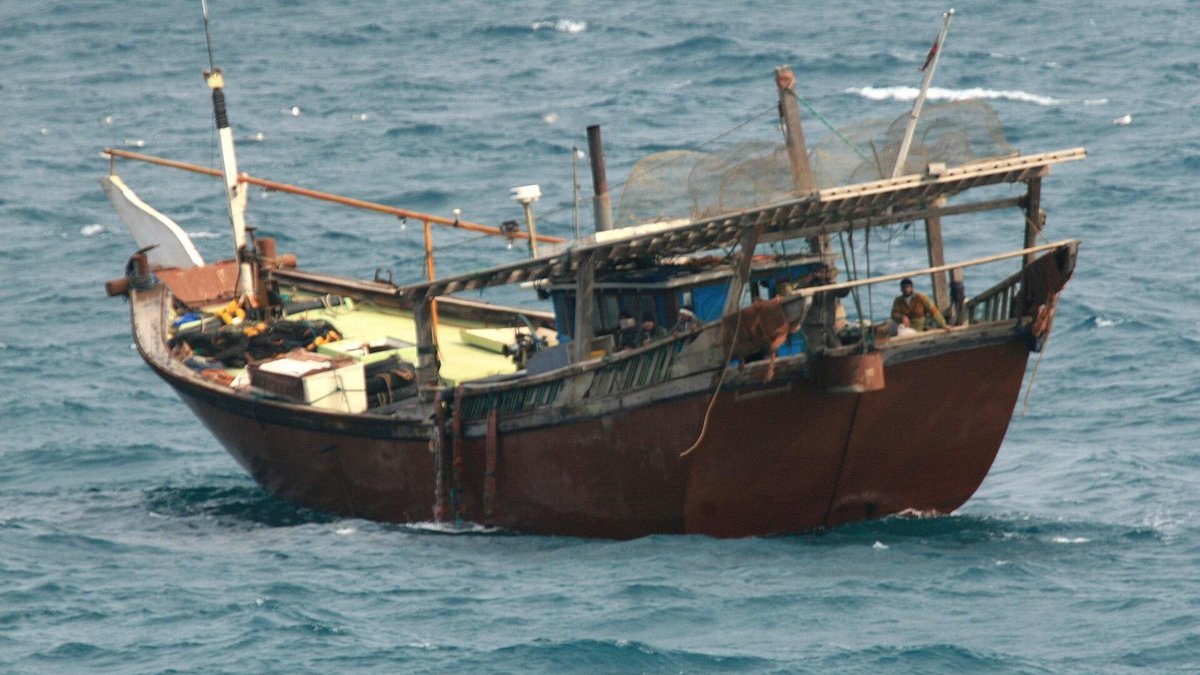
Somali pirates have hijacked an Iranian fishing vessel off the coast of Somalia, marking the latest escalation in a renewed wave of maritime insecurity in the Western Indian Ocean.
The seizure of the dhow follows a resurgent pattern of piracy that has re-emerged after years of relative dormancy. For maritime security professionals, the primary significance of this boarding lies in the tactical utility of the vessel rather than the value of the craft itself.
The Mothership Threat
The hijacking of regional fishing vessels is a precursor to wider deep-sea operations. These vessels are frequently converted into motherships, providing pirate groups with the range, endurance, and supplies necessary to launch attacks on larger merchant ships far from the Somali coastline.
By utilizing a captured fishing vessel as a mobile base, pirates can bypass the fuel and sea-state limitations of traditional small skiffs. This allows them to project force into major shipping lanes in the Arabian Sea and the Indian Ocean, significantly expanding the high-risk area for commercial shipping.
Operational Impact
This development arrives at a time when international naval assets are heavily diverted to the Red Sea to counter Houthi missile and drone threats. The reduction in dedicated anti-piracy patrols creates a security vacuum that local pirate groups are increasingly exploiting.
Ship operators and security planners must now account for an expanded geographic threat profile. The presence of a hijacked fishing vessel in the region suggests that subsequent attempts against bulkers, tankers, or container ships may occur at distances previously considered safe from shore-based pirate activity.
The current status of the Iranian vessel and its crew remains under monitoring by regional maritime authorities as the situation develops off the Somali coast.
Source: maritime-executive