Azerbaijani Seafarers Killed in Ukraine Cargo Ship Attacks | Mariner News
In a tragic escalation of the ongoing conflict, five Azerbaijani seafarers were killed and several others injured following a series of Ukraine cargo ship attacks in the region around the Sea of Azov shortly after midnight on June 5. This grave incident highlights the profound and perilous risks faced by commercial shipping and its crews operating in active war zones. Ukrainian officials acknowledged striking five vessels, asserting their involvement in illicit activities linked to the conflict, yet did not initially confirm the casualties or the nationality of the affected crew members. The attacks have sent shockwaves through the international maritime community, underscoring the severe human cost of geopolitical tensions on vital global trade routes.
Escalation of Maritime Conflict and Civilian Casualties
The attacks on June 5 resulted in immediate and devastating consequences. Reports confirmed five Azerbaijani seafarers killed and between three to six additional crew members sustaining injuries. These casualties occurred amidst a broader series of strikes targeting commercial vessels navigating the sensitive waters of the Sea of Azov, a critical waterway bordering both Ukraine and Russia. The incidents underscore the extreme vulnerability of civilian shipping caught in the crossfire of military operations, turning routine maritime voyages into life-threatening endeavors.
The geographical scope of these maritime incidents was widespread, with reports placing targeted vessels near key port cities such as Mariupol, Berdyansk, and Yalta, as well as in the Taganrog Bay. This expansive targeting demonstrates a concerted effort to disrupt sea lane operations within the region, regardless of the significant danger posed to non-combatants. The proximity of these attacks to occupied territories and naval bases further complicates the operational environment for all vessels, legitimate or otherwise, seeking passage through these contested waters.
The involvement of Azerbaijani citizens and the reported Turkish ownership of some of the vessels draw a stark reminder of how regional conflicts can have far-reaching international implications. The presence of multinational crews on commercial shipping vessels means that such attacks inevitably impact individuals and nations far removed from the immediate conflict. This global dimension amplifies calls for greater protection of seafarer welfare and adherence to international maritime law governing conflict zones, ensuring the safety of those who facilitate the world’s trade.
Ukrainian Allegations: The “Shadow Fleet” and Strategic Justification
Ukrainian authorities, through the Armed Forces of Ukraine, promptly confirmed their responsibility for the strikes, stating they targeted five ships accused of operating as part of a “Russian shadow fleet.” Their justification centered on allegations that these vessels were engaged in activities directly supporting the Russian war effort. These accusations included claims that the ships were attempting to obscure their identities by painting over their names and turning off their radar transponders, suggesting a deliberate attempt to evade detection and international scrutiny.
The core of Ukraine’s allegations revolved around the nature of the cargo being transported. Officials asserted that these vessels were illegally moving “stolen grain” from occupied Ukrainian regions, a practice that deprives Ukraine of vital economic resources and international markets. Furthermore, it was alleged that the ships were transferring military cargo and fuel, directly contributing to Russia’s logistical capabilities in the conflict. Such activities, if proven, would represent a direct violation of international sanctions and maritime protocols, potentially justifying defensive actions under certain interpretations of international law.
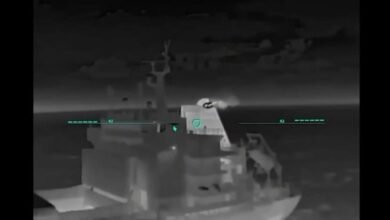
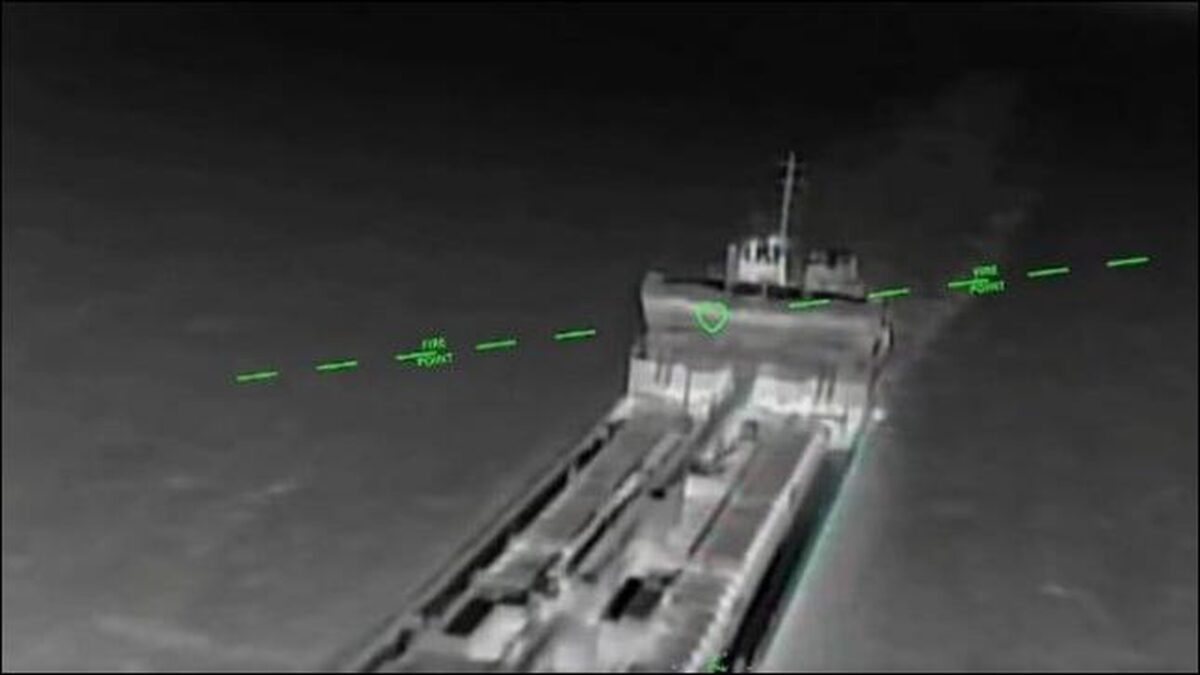
Ukrainian officials released video footage purportedly showing the strikes, aiming to substantiate their claims and demonstrate the precision of their operations against what they termed “illegally loitering” vessels. The targeted areas—ports of Mariupol and Berdyansk, and coastal waters in Taganrog Bay—are strategically significant for both military and economic operations within the Sea of Azov. Ukraine’s actions were presented as a necessary measure to disrupt supply lines, counter illicit trade, and challenge Russian control over maritime access in the occupied territories, thereby impacting Russia’s ability to sustain its forces.
Russian Denunciations and Diplomatic Repercussions
Russian officials swiftly and vehemently denounced the Ukrainian strikes, particularly those hitting two small cargo ships in Taganrog Bay. They characterized the attacks as “brutal” and indicative of Ukraine’s aggressive intentions against civilian targets. This condemnation fueled a narrative of Ukraine deliberately endangering unarmed vessels and their crews, further exacerbating the already strained diplomatic relations between the warring nations. Russia consistently frames such incidents as acts of terrorism or unwarranted aggression against its maritime interests and the broader commercial shipping community.
The attacks sparked immediate diplomatic fallout. Russia’s strong reaction highlighted its perceived victimhood in the conflict, attempting to rally international condemnation against Ukraine’s actions. The targeting of commercial vessels, irrespective of their alleged activities, raises serious questions about the rules of engagement in maritime warfare and the protection of neutral shipping. This incident is likely to be used by Russia to challenge Ukraine’s right to target vessels in these contested waters, potentially seeking recourse through international bodies or escalating its own naval responses.
Azerbaijan’s Ministry of Foreign Affairs responded with a statement acknowledging the attacks and issuing a stern warning to its citizens to avoid the perilous war region. The Ministry confirmed that a total of 25 Azerbaijani citizens were aboard the two cargo ships specifically mentioned in their statement, clarifying that these vessels were not state-owned. This declaration underscores the non-state, commercial nature of the shipping involved, while also emphasizing the severe risk to civilians from countries not directly involved in the conflict. The tragically confirmed death toll of five Azerbaijani seafarers serves as a stark reminder of the global human cost of this regional conflict, necessitating urgent discussions on maritime safety protocols and de-escalation.
Risks to Commercial Shipping and Seafarer Welfare in War Zones
These recent maritime incidents vividly underscore the inherent and escalating risks faced by global commercial shipping when operating in or near active conflict zones. The Sea of Azov, already a flashpoint, has become an increasingly dangerous environment for vessels. Ship owners, operators, and insurers must contend with dramatically increased premiums, the threat of direct attack, and the potential for severe human casualties, leading to widespread disruptions in supply chains and economic uncertainties. The deliberate targeting of vessels, even those accused of illicit activities, creates a precedent that could jeopardize all shipping security in conflict-affected regions.
The issue of seafarer safety and welfare is paramount. Crew members, often from diverse nationalities, are essentially unarmed civilians whose livelihoods depend on navigating international waters, often with little to no protection. These attacks expose them to extreme physical danger, psychological trauma, and the constant threat of injury or death. The international community, maritime organizations, and flag states have a crucial responsibility to advocate for the protection of seafarers and to ensure that vessels are not indiscriminately targeted, regardless of the prevailing political or military climate. Safeguarding crew welfare must remain a top priority.
The challenges to international maritime law, particularly regarding the protection of civilian shipping during armed conflicts, are significant. Conventions aimed at safeguarding neutral vessels and establishing humanitarian corridors are often tested and sometimes disregarded in the heat of war. The attacks in the Sea of Azov necessitate a re-evaluation of current protocols and a renewed commitment from all parties to adhere to the principles of safe passage and the non-targeting of non-combatant shipping vessels. Without clear boundaries and mutual respect for maritime law, the lives of innocent seafarers will continue to be at grave risk, hindering vital global trade and humanitarian efforts.
Economic and Geopolitical Ramifications for Black Sea Maritime Trade
The economic impact of these attacks on Black Sea maritime trade is substantial. Disruptions to vital trade routes, particularly for essential commodities like grain, steel, and other bulk goods, lead to increased shipping costs, longer transit times, and heightened insurance premiums. These factors collectively contribute to inflationary pressures and instability in global markets, affecting economies far beyond the immediate conflict zone. Countries dependent on imports and exports through this region face significant challenges in securing their supply chains, potentially leading to shortages and price volatility for critical resources.
Geopolitically, these incidents further escalate tensions and complicate any prospects for regional stability. The direct targeting of commercial vessels, even those allegedly involved in a “Russian shadow fleet” or illegal shipping, raises the stakes in the conflict, potentially provoking retaliatory actions and hardening positions. It undermines efforts to establish safe corridors or de-escalate naval operations, making diplomacy more challenging. The international community watches closely, as the implications for maritime security in the Black Sea and Sea of Azov extend to broader global security concerns, impacting energy markets, food security, and international relations.
Looking ahead, mitigating these risks will require robust international cooperation, clear communication channels, and a renewed commitment to upholding maritime law. Protecting humanitarian and commercial vessels from being entangled in military conflicts is paramount to preventing further seafarer casualties and ensuring the continuity of essential global trade. The tragic loss of Azerbaijani seafarers serves as a poignant reminder of the urgent need for all parties to prioritize civilian safety and adhere to principles that safeguard innocent lives and the foundational tenets of peaceful international commerce.