Wallenius Wilhelmsen CEO: Containers Not a Threat | Mariner News
In an increasingly interconnected yet volatile global economy, the maritime shipping sector constantly navigates shifts in demand, technology, and competition. At the forefront of these discussions is the persistent question of how different shipping segments interact and compete. Recently, the CEO of Wallenius Wilhelmsen, a global leader in Roll-on/Roll-off (RoRo) and vehicle logistics, articulated a clear stance: containers are not a threat to their specialized business model. This perspective offers crucial insight into the strategic thinking behind major players in the logistics industry, emphasizing the enduring distinctiveness of specialized cargo and its resilience against the pervasive influence of containerization.
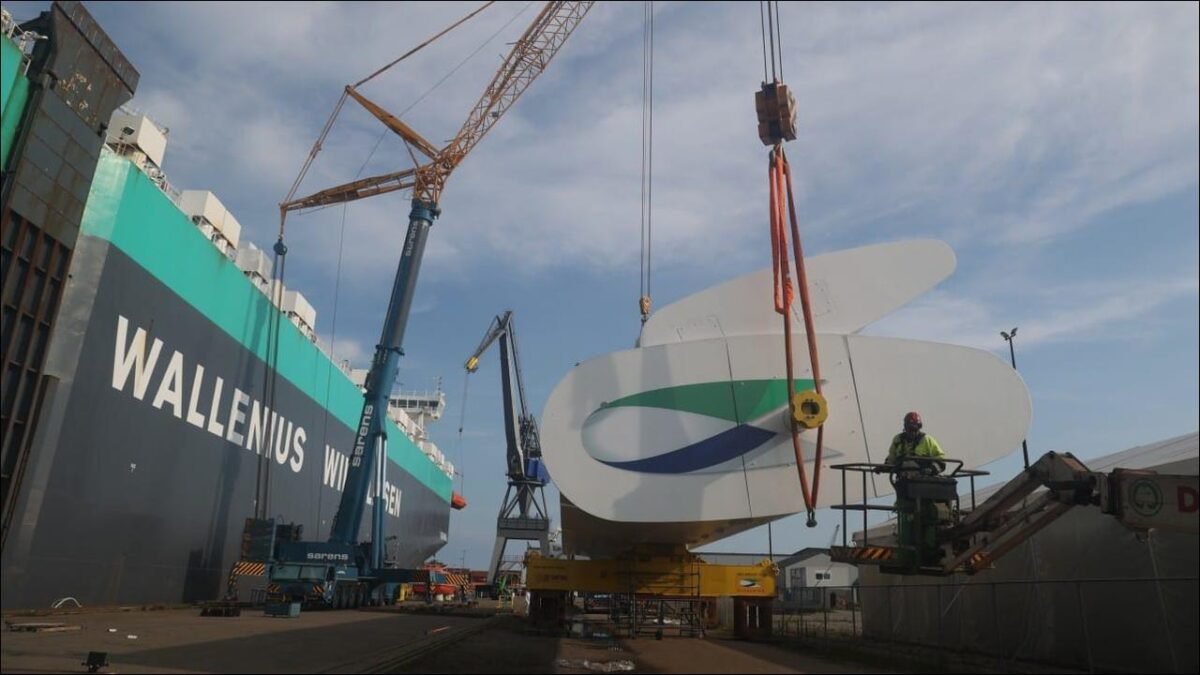
Wallenius Wilhelmsen operates an extensive fleet of RoRo vessels, specifically designed to transport rolling cargo such as cars, trucks, heavy construction equipment, and other oversized, project, and breakbulk items that do not fit neatly into standard shipping containers. Their business thrives on the complexity and unique handling requirements of these goods, which demand specialized ramps, reinforced decks, and expert lashing techniques. The CEO’s assertion underscores a deep understanding of market segmentation, where the inherent characteristics of certain cargo types naturally prevent them from being fully absorbed by the container shipping revolution, a system optimized for standardized, unitized freight.
Understanding Wallenius Wilhelmsen’s Specialized Niche in Maritime Logistics
Wallenius Wilhelmsen occupies a unique and critical position within the global supply chain, serving sectors that demand highly specialized transportation solutions. Unlike conventional container lines that focus on box-shaped cargo, WWL’s expertise lies in Roll-on/Roll-off (RoRo) shipping. This involves vessels equipped with built-in ramps that allow vehicles and self-propelled machinery to be driven on and off the ship, significantly streamlining the loading and unloading process for non-containerized cargo. Their core business revolves around the global distribution of automobiles, heavy equipment, and other high & heavy project cargo that simply cannot be accommodated by standard container units due to their dimensions, weight, or sensitive nature.
This specialization extends beyond just vessel design. It encompasses a comprehensive logistics ecosystem, including dedicated port terminals, custom handling equipment, and a highly skilled workforce trained in securing diverse types of rolling stock and static breakbulk items. The integrity of high-value automobiles, the safe transport of delicate machinery, and the efficient movement of massive mining vehicles all rely on Wallenius Wilhelmsen’s tailored services. This focus on intricate logistics for specific cargo types highlights a deliberate strategy to carve out and dominate a segment of the ocean transport market where traditional container shipping simply falls short in terms of operational efficiency and cost-effectiveness.
The Pervasive Influence of Containerization on Global Trade
The advent of containerization in the mid-20th century undeniably revolutionized global trade, streamlining cargo handling, reducing port times, and dramatically lowering shipping costs for a vast array of goods. Standardized containers enabled unprecedented economies of scale, giving rise to mega-ships and complex intermodal networks that now underpin the global supply chain. For many years, the container became synonymous with efficiency, leading some to speculate that it might eventually become the universal solution for all cargo, absorbing even specialized freight.
However, the container revolution, while transformative, primarily optimized the movement of general, unitized cargo. Its strengths lie in its ability to transport a wide variety of goods in standardized units, facilitating quick transfers between ships, trucks, and trains. This model is exceptionally efficient for consumer goods, electronics, textiles, and other items that can be packed into 20-foot or 40-foot boxes. The perception of containers as an omnipresent threat often stems from their sheer dominance in the global freight market and their continuous expansion into new cargo types. Yet, this perception overlooks the inherent limitations of containerization when faced with cargo that defies standardization – cargo that Wallenius Wilhelmsen specializes in transporting.
Why Specialized Cargo Remains Resilient and Distinct
The Wallenius Wilhelmsen CEO’s assertion that containers are not a threat is rooted in the fundamental differences between specialized cargo and containerizable goods. The primary reason for the resilience of RoRo and breakbulk shipping lies in the physical attributes of the cargo itself. Items like fully assembled cars, massive agricultural machinery, oversized wind turbine components, or complex industrial modules are often too large, too heavy, or too awkwardly shaped to fit inside a standard container without extensive and often cost-prohibitive disassembly and reassembly. Attempting to containerize such cargo would introduce significant inefficiencies, increase handling costs, and potentially risk damage to the goods.
RoRo vessels, by design, are tailor-made for these challenges. They offer extensive deck space, adjustable internal ramps, and robust lashing points that accommodate a vast range of sizes and weights. This specialized infrastructure means that vehicles and machinery can be driven directly onto the vessel, eliminating the need for cranes, reducing handling, and minimizing the risk of damage. This method is not only more efficient but also more secure for delicate or high-value rolling stock. Furthermore, many specialized cargo movements involve project logistics, where entire factories or infrastructure components need to be transported, often requiring bespoke solutions that go far beyond what a container line can offer.
Economically, the specialized nature of these operations also contributes to their resilience. While container shipping often experiences dramatic freight rate fluctuations driven by global supply and demand imbalances for general cargo, the RoRo and breakbulk segments tend to operate on more stable, long-term contracts. This stability reflects the specialized investment in vessels and infrastructure, as well as the unique expertise required, creating higher barriers to entry for new competitors. The market for specialized cargo is less about raw capacity and more about bespoke solutions and trusted partnerships, factors that underpin the distinct value proposition of companies like Wallenius Wilhelmsen.
Market Dynamics and Strategic Positioning for Future Growth
Wallenius Wilhelmsen’s strategic positioning in the maritime sector is not simply about avoiding competition with container lines; it’s about actively leading and innovating within its own specialized domain. The company continuously monitors market dynamics in the automotive, construction, mining, and industrial sectors, adapting its services to meet evolving customer needs and global trade patterns. For instance, the growing trend towards electric vehicles, which are often heavier due to battery packs, or the increasing size of construction and agricultural equipment, only reinforces the demand for robust RoRo capabilities that can handle heavier and larger dimensions.
Their strategy also encompasses a strong focus on sustainability and digital transformation. Investing in vessels with reduced emissions, exploring alternative fuels, and optimizing routes through advanced analytics are key components of their long-term vision. These initiatives not only align with global environmental mandates but also enhance operational efficiency and provide added value to customers who prioritize sustainable supply chains. Furthermore, Wallenius Wilhelmsen offers integrated logistics services that extend beyond ocean transport, including terminal services, inland distribution, and technical services, effectively creating comprehensive end-to-end solutions for their clients. This diversification and value-added approach strengthen their competitive edge and solidify their indispensable role in various industrial supply chains.
The Future Outlook: Coexistence, Not Competition
The Wallenius Wilhelmsen CEO’s assertion serves as a vital reminder that the global shipping industry is not a monolithic entity but a diverse ecosystem where different segments serve distinct purposes. While containerization has brought unparalleled efficiency to general cargo, it has not and likely will not negate the fundamental need for specialized transportation solutions for project cargo, heavy equipment, and vehicles. The future of maritime logistics appears to be one of coexistence and collaboration, where each segment plays a crucial, complementary role in facilitating global trade.
Companies like Wallenius Wilhelmsen are not viewing containers as a direct threat but rather as a different solution for a different set of challenges. Their continued investment in specialized assets, technologies, and expertise reinforces their commitment to a niche that remains vital to global manufacturing and infrastructure development. The specialized cargo market will continue to thrive, driven by ongoing industrial projects, automotive production cycles, and the global movement of high-value, non-containerizable goods, affirming the enduring relevance and strategic clarity of Wallenius Wilhelmsen’s vision.
In essence, the CEO’s confident declaration underscores a deep strategic clarity: Wallenius Wilhelmsen’s business is fundamentally different, catering to unique demands that containers simply cannot meet. This specialized focus, coupled with continuous innovation, ensures their continued leadership and relevance in a complex and evolving global maritime landscape.