Hapag-Lloyd, Maersk Shift Container Service to Red Sea | Mariner News
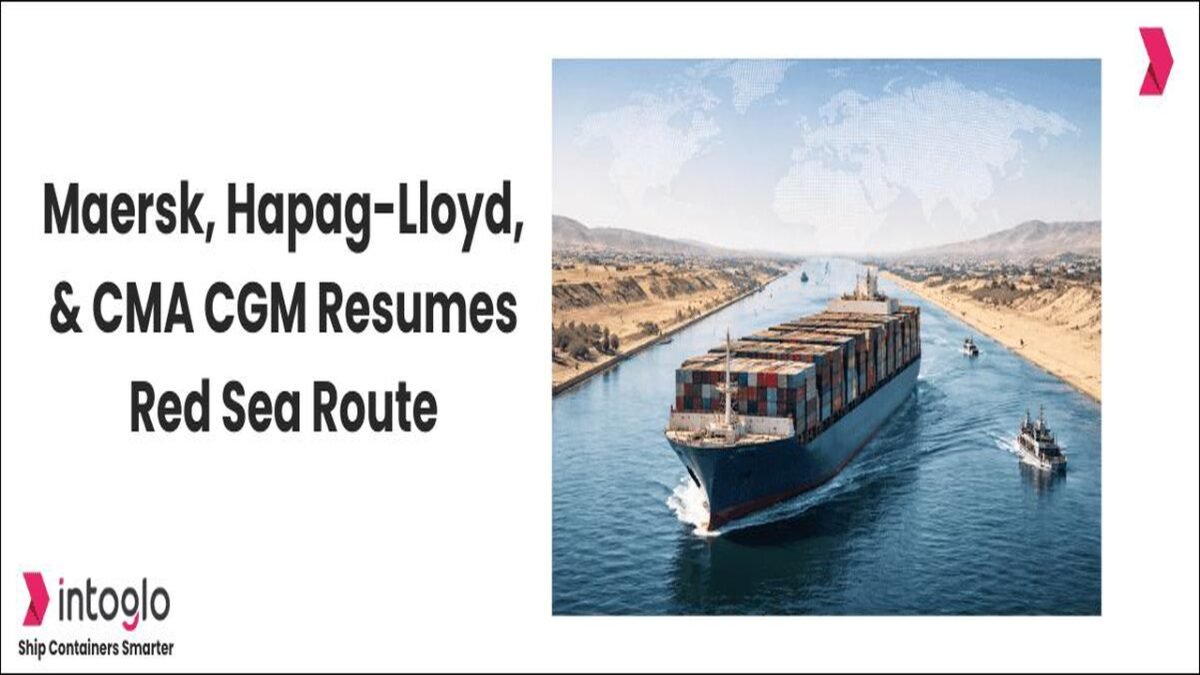
The global container shipping landscape witnesses a significant strategic realignment as industry giants Hapag-Lloyd and Maersk relocate another joint service to the Red Sea. This pivotal decision impacts their crucial Asia-Europe route, shifting towards the Suez Canal and away from the longer transit around the Cape of Good Hope. Undertaken within their ambitious Gemini Cooperation, this move underscores a complex interplay between operational efficiency, reduced transit times, and ongoing maritime security considerations in vital global trade routes. For businesses and consumers worldwide, these adjustments by two of the largest shipping lines have far-reaching implications, influencing delivery schedules and freight costs.
H2: The Strategic Return to the Red Sea: Hapag-Lloyd & Maersk’s Bold Move
Hapag-Lloyd and A.P. Moller-Maersk, key players in international maritime logistics, confirmed their decision to alter their Gemini SE4 service. This service, previously navigating southern Africa, will now traverse the Red Sea, utilizing the Suez Canal for a more direct connection between Asia and Europe. This re-routing mirrors a similar adjustment made in July for their AE15 service, highlighting consistent strategy by the Gemini Cooperation partners. The first westbound sailing under this new routing will be the “Berlin Maersk,” signaling immediate implementation.
The primary motivation, as communicated by both Hapag-Lloyd and Maersk, is a “more direct and faster connection” for their container vessels. While the Cape of Good Hope route offers an alternative, it significantly extends transit times and increases fuel consumption, impacting operational costs. This pivot emphasizes optimizing global supply chain networks, balancing expediency with prudence. Despite efficiency gains, both companies reiterate that “safety of crews, vessels, and cargo remains their highest priority,” indicating vigilant monitoring of geopolitical and maritime security situations. Their commitment to safety remains paramount in navigating these critical shipping routes.
H2: Unpacking the Gemini Cooperation: A Formidable Alliance
At the heart of these strategic route adjustments is the Gemini Cooperation, a groundbreaking long-term operational partnership launched by Hapag-Lloyd and Maersk in 2024. This collaboration represents a significant evolution in vessel sharing agreements within the container shipping industry, designed to enhance network coverage, improve schedule reliability, and optimize operational efficiency across their respective fleets. Under this powerful alliance, the two companies share vessel capacity, creating a combined network promising greater flexibility and resilience in managing global freight routes. This structure leverages carrier strengths for a streamlined and integrated approach to maritime logistics.
The strategic objectives of the Gemini Cooperation extend beyond cost-sharing; they aim to set new benchmarks for schedule integrity and environmental performance. By pooling resources and coordinating their container vessel deployments, Hapag-Lloyd and Maersk minimize transit delays and reduce the carbon footprint associated with global trade. This integrated approach to supply chain management allows them to respond more agilely to market demands and unforeseen disruptions, such as the evolving security landscape in the Red Sea. The alliance signifies a forward-thinking model in the shipping industry, emphasizing strategic partnerships to navigate international trade effectively. Their combined operational scale provides a formidable presence on major Asia-Europe routes and other key trade routes worldwide.
H2: Navigating the Complexities of Global Shipping Routes
The choice between the Red Sea via the Suez Canal and the extended journey around the Cape of Good Hope is a perennial challenge for global container shipping. Historically, the Suez Canal has served as a vital artery for Asia-Europe trade, dramatically cutting down transit times and fuel costs. Its strategic importance cannot be overstated, acting as a crucial shortcut bypassing thousands of miles of ocean travel. However, recent geopolitical tensions and maritime security incidents introduced complexity, compelling shipping lines to re-evaluate risk profiles and consider alternative freight routes. The decision by Hapag-Lloyd and Maersk to return to the Red Sea signifies a calculated assessment of risks against the substantial benefits of the shorter route for their joint service.
Navigating the Red Sea involves a meticulous balance of operational benefits and potential hazards. While it offers unparalleled speed and efficiency for container vessels, the region’s volatile security environment necessitates constant vigilance and adaptive strategies. Carriers like Hapag-Lloyd and Maersk invest heavily in intelligence gathering and risk mitigation measures to ensure crew and cargo safety. Conversely, the Cape of Good Hope route, though significantly longer and more costly, provides a relatively safer passage, bypassing geopolitical hotspots. The cyclical nature of these route choices – shifting due to factors from economic pressures to security threats – underscores the dynamic and often unpredictable nature of international maritime logistics.
H2: Economic and Logistical Ramifications for Asia-Europe Trade
The return of a prominent joint service like the Gemini SE4 to the Red Sea has profound economic impact and logistical ramifications for the entire Asia-Europe trade corridor. Primarily, shorter transit times offered by the Suez Canal route translate directly into faster delivery of goods, critical for businesses operating with just-in-time inventory models. This reduction in transit duration significantly improves supply chain resilience, allowing companies to respond more quickly to market demands and unexpected disruptions. For Hapag-Lloyd and Maersk, the move implies considerable savings in fuel costs and operational expenses, potentially passed on to shippers or reinvested.
Furthermore, optimized freight routes and improved schedule reliability stemming from the Red Sea transit can positively influence freight rates and overall market stability. When major shipping lines like Hapag-Lloyd and Maersk adopt more efficient routes, it can ease pressure on vessel capacity and lead to more predictable pricing. This benefits a wide array of industries, from manufacturing to retail, by providing greater certainty in their shipping budgets and delivery timelines. The strategic decision by these container shipping leaders demonstrates their ongoing commitment to enhancing customer value through superior maritime logistics. Their calculated return to the Red Sea via the Suez Canal is not merely an operational change but a strategic statement on managing regional risks for competitive advantages in global trade routes.
H2: Future Outlook and Industry Implications of Red Sea Transit
The decisions by Hapag-Lloyd and Maersk to route their joint service through the Red Sea set a significant precedent, carrying substantial industry implications. Other major container shipping firms will undoubtedly monitor the success and safety of these transits, potentially influencing their own future routing strategies. Should the Red Sea route prove consistently viable and secure, it could trigger a broader industry trend of returning to the Suez Canal, further solidifying its role as a crucial conduit for global trade. This collective shift would underscore restored confidence in the region, built on constant vigilance and robust maritime security protocols.
However, the future outlook for Red Sea transit remains intricately linked to the evolving geopolitical landscape and efficacy of international security efforts. The shipping industry must contend with dynamic maritime threats, requiring constant adaptation and investment in security measures. The Gemini Cooperation partners, Hapag-Lloyd and Maersk, have clearly stated their commitment to monitoring the situation, indicating that flexibility in freight routes will remain a key element of their supply chain management. Their willingness to pivot between the Red Sea and the Cape of Good Hope demonstrates a sophisticated approach to risk management, ensuring operational efficiency and crew safety are continuously prioritized. This strategic agility will be crucial for navigating unpredictable challenges ahead for global maritime logistics.
Conclusion
In conclusion, the decision by Hapag-Lloyd and Maersk to move another joint service to the Red Sea represents a calculated and significant strategic maneuver within the global container shipping arena. Driven by enhanced efficiency and faster transit times for their vital Asia-Europe route, this move, under the Gemini Cooperation, highlights a delicate balance between leveraging the benefits of the Suez Canal and managing inherent maritime security risks. As these industry titans optimize their freight routes and vessel capacity, their actions have a ripple effect across the entire global supply chain, influencing delivery speeds, costs, and the overall resilience of international trade. Their commitment to monitoring operations underscores the dynamic nature of maritime logistics in an ever-changing world.