US West Coast Import Boom Driven by Tariff Deadlines | Mariner News
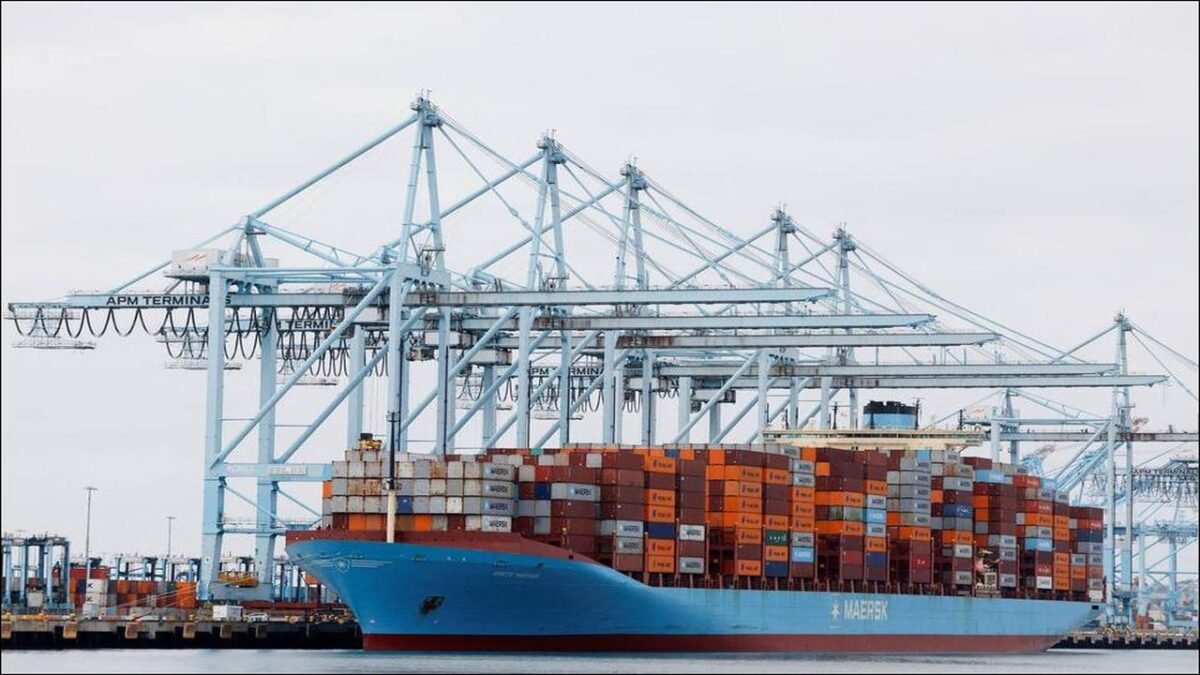
The US West Coast recently experienced an unprecedented import boom, primarily driven by looming tariff deadlines. Shippers, eager to circumvent impending permanent tariff rates, significantly expedited cargo, particularly through the bustling ports of Los Angeles and Long Beach. This strategic rush, culminating before the critical July 24 deadline, created a remarkable surge in container volumes, reshaping the immediate landscape of maritime logistics and trade on the North American Pacific seaboard. Sea-Intelligence CEO Alan Murphy highlighted this expedited activity, noting the significant shift in import patterns and the concentration of growth in specific southern Californian gateways, while ports further north encountered a downturn during the same period. This surge underscores the profound influence of trade policy on global shipping dynamics and supply chain strategies.
The Urgency of Tariff Deadlines and Shipper Strategies
The approaching July 24 deadline for new permanent tariff rates acted as a powerful catalyst, compelling international shippers to accelerate their import schedules. Faced with the prospect of increased costs, businesses proactively moved vast quantities of goods through US West Coast ports. This strategic decision was not merely about avoiding higher tariffs but also about securing competitive advantages and maintaining predictable supply chains amidst an uncertain global trade environment. The urgency instilled by these deadlines transformed standard shipping practices into a high-stakes race against the clock, fundamentally altering short-term trade flows.
This anticipatory behavior by shippers illustrates a critical aspect of international trade: the constant adaptation to regulatory changes. Companies often adjust their procurement and logistics strategies in response to trade policies, leveraging periods of stability or pre-tariff windows to optimize costs and minimize disruption. The collective decision to front-load imports had immediate and significant consequences for port operations and the broader shipping industry, leading to a concentrated influx of cargo that tested the resilience and capacity of maritime infrastructure along the Pacific seaboard. Understanding these reactive shipping strategies is crucial for analyzing market shifts.
The impact was particularly pronounced on the distribution of cargo across various West Coast gateways. While southern ports like Los Angeles and Long Beach witnessed substantial growth, their northern counterparts experienced a noticeable decline in container traffic. This regional divergence highlights the nuanced preferences and logistical considerations that guide shipper choices during periods of intense market pressure. Factors such as existing carrier relationships, intermodal connectivity, and port efficiency likely played a role in determining which ports became the primary beneficiaries of this expedited import wave, creating a competitive environment among port authorities.
Unpacking the West Coast Port Performance
Los Angeles and Long Beach, often referred to as the San Pedro Bay Complex, accounted for the bulk of the import growth observed during the second quarter. These two adjacent ports, renowned for their immense capacity and extensive connections to the US hinterland, became the preferred entry points for shippers rushing to beat the tariff deadlines. Their ability to handle large volumes of containerized cargo, combined with established logistical networks, made them ideal candidates for absorbing the sudden increase in import demand. This concentration of activity solidified their status as pivotal hubs in the global supply chain, showcasing their critical role in facilitating trade.
The surge in container traffic at these major California ports was a testament to their operational capabilities, but also presented potential challenges. Increased vessel arrivals and cargo movements can lead to congestion, longer dwell times for containers, and strain on inland transportation networks. Port authorities and terminal operators had to swiftly adapt to the heightened activity, deploying resources and optimizing processes to maintain fluidity. The success in managing this import boom underscores the importance of robust port infrastructure and agile operational planning, ensuring goods could be processed and moved efficiently despite the sudden influx.
This period also underscored the dynamic nature of port competition. While Los Angeles and Long Beach capitalized on the tariff-driven surge, ports further north, such as those in Oakland, Seattle, and Tacoma, experienced a contraction in their import volumes. This divergence illustrates how specific market conditions and policy changes can rapidly re-route cargo flows, favoring ports perceived to offer the most immediate advantage or capacity. The performance disparities highlight the need for all ports to remain adaptable and responsive to evolving trade landscapes, continuously seeking ways to attract and retain shipping business through efficiency and strategic service offerings.
Broader Implications for Global Trade and Supply Chains
The US West Coast import boom, spurred by tariff deadlines, serves as a powerful reminder of trade policies’ far-reaching effects on global trade and supply chains. Such regulatory shifts do not merely alter prices; they instigate profound behavioral changes among shippers, carriers, and logistics providers worldwide. The scramble to expedite imports before new tariffs took effect reveals the intrinsic link between governmental policy and the intricate web of international commerce, demonstrating how even seemingly distant decisions can have immediate and tangible impacts on cargo movement and port activity. This interconnectedness underscores the vulnerability of global supply chains to geopolitical and economic shifts.
These events compel businesses to re-evaluate their risk management strategies, particularly regarding sourcing and logistics. Companies that depend heavily on imports are now more keenly aware of the need for flexibility, diversification of supply routes, and contingency planning to mitigate the impacts of unpredictable trade policies. The experience of this import rush will likely influence future decisions on inventory management, supplier relationships, and investment in resilient supply chain technologies. It highlights the importance of agile logistics and proactive adaptation to avoid disruptions and maintain business continuity in a volatile global marketplace.
Furthermore, the concentrated movement of cargo through a select few ports can expose vulnerabilities in regional infrastructure and intermodal connections. While Los Angeles and Long Beach effectively handled the immediate surge, sustained or repeated instances of such concentrated activity could lead to bottlenecks and increased costs across the logistics chain. This prompts broader discussions among policymakers, port authorities, and industry stakeholders about investing in resilient infrastructure, enhancing port capacity, and fostering greater collaboration to manage future trade fluctuations. Ensuring the smooth flow of goods is critical for economic stability and growth.
Navigating Future Tariffs and Trade Policy Shifts
The recent import boom underscored the ongoing volatility in international trade relations and the perpetual challenge for the shipping industry to navigate these unpredictable currents. As global economies continue to grapple with shifting geopolitical landscapes, trade policies, including tariffs, are likely to remain a dynamic and influential factor. The shipping sector, encompassing ocean carriers, freight forwarders, and port operators, must therefore develop robust strategies to anticipate, react to, and absorb the impacts of future policy changes. This requires sophisticated market intelligence, adaptable operational frameworks, and strong collaborative partnerships across the supply chain.
Preparation for future tariff adjustments involves continuous monitoring of trade negotiations, economic indicators, and political developments. Port authorities and logistics companies are increasingly investing in data analytics and forecasting tools to better predict cargo flows and potential disruptions. Moreover, fostering diversified shipping routes and cultivating relationships with multiple port gateways can provide greater flexibility. Such proactive measures are essential for mitigating risks and ensuring that the flow of goods remains as efficient and uninterrupted as possible, even in the face of evolving trade restrictions or incentives.
Long-term effects on port distribution and cargo flow are also a significant consideration. If tariff policies become a more frequent tool in international relations, shippers might increasingly seek stable, less-impacted trade routes or even consider near-shoring or re-shoring production to reduce exposure. This could lead to a permanent re-calibration of shipping patterns, potentially shifting prominence between different port regions or even impacting intercontinental trade lanes. The industry must therefore not only react to immediate deadlines but also strategize for potential structural changes in global commerce, ensuring sustained operational relevance.
The Economic Ripple Effect on Regional and National Economies
The surge of imports through the US West Coast ports has generated a significant economic ripple effect, extending beyond the immediate maritime logistics sector. For regions surrounding Los Angeles and Long Beach, the increased cargo volume translates into heightened activity across various ancillary industries. This includes a boost for trucking and rail services, warehousing and distribution centers, customs brokerage firms, and a multitude of service providers supporting port operations. Such intense activity often stimulates local employment, creating jobs in transportation, logistics, and related support functions, thereby injecting vitality into regional economies.
Furthermore, the enhanced trade volume can spur investment in critical infrastructure. To accommodate larger ships, more containers, and increased throughput, ports and their partners may accelerate plans for terminal expansions, equipment upgrades, and improvements to road and rail networks. These infrastructure projects not only create construction jobs but also enhance long-term operational efficiency, ensuring that the ports remain competitive and capable of handling future growth. The continuous cycle of trade-driven demand and infrastructure investment underpins the sustained economic importance of these vital shipping gateways to the national economy.
Ultimately, the economic significance of the US West Coast import boom extends to the national level. Efficient port operations are fundamental to the nation’s supply chain, supporting countless industries, from retail to manufacturing. The ability of these ports to absorb and process a massive influx of goods, even under pressure from tariff deadlines, directly impacts the availability of consumer products, raw materials for industries, and overall economic stability. This event powerfully demonstrates how robust maritime infrastructure and responsive trade policies are essential pillars for a thriving national economy, facilitating the flow of commerce that sustains growth and development.