Maersk Technology Chief Retires After Decades | Mariner News
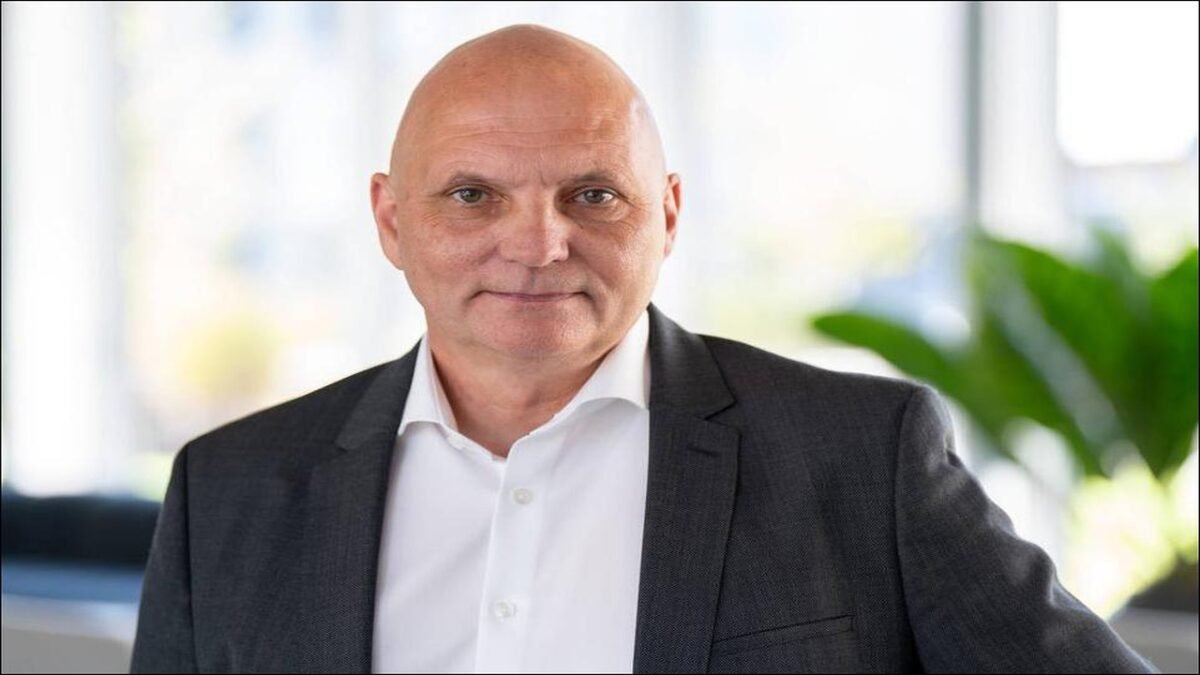
The news of the Maersk technology chief retirement marks a pivotal moment for the global shipping and logistics giant. After decades of dedicated service, a figure instrumental in steering Maersk through an unprecedented era of digital transformation is stepping down. This departure signifies not just the end of a remarkable tenure but also invites contemplation on the profound impact of technology leadership in modernizing one of the world’s oldest industries. The outgoing chief has been a cornerstone in integrating cutting-edge digital solutions into Maersk’s vast global operations, fundamentally reshaping how the company functions and interacts with its customers.
Their journey with Maersk began long before the industry fully embraced digital innovation, allowing them to witness and actively orchestrate the shift from traditional manual processes to sophisticated, data-driven systems. This deep institutional knowledge, combined with a forward-thinking vision, enabled Maersk to navigate complex technological landscapes, from the early days of internet adoption to the current era of artificial intelligence, blockchain, and advanced data analytics. The chief’s leadership ensured that technology was not merely an auxiliary function but a core strategic pillar, essential for competitive advantage and sustainable growth in the increasingly complex global supply chain.
The announcement has prompted industry observers to reflect on the legacy left behind and the path forward for Maersk’s technological evolution. The role of a technology chief in a company the size and scale of Maersk is immense, touching every facet of its operations, from vessel management and port logistics to customer engagement and internal efficiencies. Their retirement underscores the culmination of years of tireless effort, strategic planning, and successful execution that have positioned Maersk at the forefront of digital innovation within the container shipping sector.
A Legacy of Innovation and Digital Transformation at Maersk
The Maersk technology chief’s extensive career with the company is synonymous with a period of intense digital transformation across the global shipping and logistics industry. Their tenure saw Maersk evolve from a traditional shipping line to an integrated logistics provider, a strategic shift heavily reliant on technological advancements. Under their guidance, Maersk embraced significant initiatives that fundamentally reshaped its operational capabilities and customer offerings. This included spearheading the adoption of cloud computing, migrating vast legacy systems to scalable, agile platforms that enhanced efficiency and reduced infrastructure costs.
Crucially, the chief championed the integration of Internet of Things (IoT) devices across Maersk’s fleet and terminals. This allowed for real-time tracking of cargo, predictive maintenance of vessels, and optimized route planning, leading to significant improvements in reliability and delivery times. Data analytics became a central tenet of Maersk’s strategy, enabling deeper insights into market trends, operational bottlenecks, and customer behavior, facilitating more informed decision-making and personalized service delivery. Their vision transformed raw operational data into actionable intelligence, a critical asset in a competitive market.
The journey also involved pioneering efforts in blockchain technology, particularly through the development of TradeLens, a platform aimed at digitizing and streamlining global supply chains. This ambitious project, initiated under their technological leadership, sought to enhance transparency, security, and efficiency in international trade documentation and processes. The chief’s commitment to exploring disruptive technologies demonstrated a willingness to challenge industry norms and invest in solutions that promised long-term value, even if they required significant upfront investment and industry collaboration. This forward-thinking approach solidified Maersk’s reputation as a leader in logistics technology.
Moreover, the outgoing technology leader played a vital role in fostering a culture of innovation within Maersk. They encouraged experimentation, invested in talent development, and built strong teams capable of delivering complex digital projects. This internal focus on capability building ensured that Maersk was not just adopting technology but also generating its own innovative solutions tailored to the unique challenges of global logistics. The strategic investments in R&D and digital labs during their tenure underscore this commitment, creating a robust ecosystem for continuous technological advancement and resilience.
Shaping Maersk’s Digital Future: Key Achievements
Among the defining achievements during the technology chief’s tenure was the development and expansion of Maersk’s comprehensive digital platforms, notably Maersk.com. This online portal transformed how customers interact with the company, offering seamless digital booking, real-time cargo tracking, and access to a suite of supply chain management tools. It moved Maersk beyond a mere shipping service, positioning it as a digital logistics partner providing end-to-end visibility and control for its clientele. The platform’s continuous evolution under their watch made it a benchmark in the industry for customer-centric digital solutions.
The drive towards an integrated logistics model, moving beyond port-to-port shipping to offering full end-to-end supply chain services, was fundamentally enabled by sophisticated technology architecture. This included harmonizing disparate systems across various acquired companies and business units, creating a unified digital backbone. The chief oversaw the complex integration of IT systems following major acquisitions, ensuring that technological synergies were leveraged to enhance service offerings and operational efficiency. This was a monumental task, vital for Maersk’s transformation into a true global integrator of container logistics.
Further successes included the implementation of advanced analytics for optimizing vessel networks and terminal operations. Through the application of artificial intelligence and machine learning, Maersk significantly improved vessel utilization, reduced fuel consumption, and enhanced port call efficiency, contributing both to cost savings and environmental sustainability goals. The strategic adoption of automation in warehouses and container terminals also gained traction, directly enhancing throughput and worker safety, showcasing a holistic approach to leveraging technology across the entire supply chain footprint.
The technological foundation laid under this leadership also fortified Maersk’s cybersecurity posture, a critical necessity in an increasingly interconnected and vulnerable world. Protecting vast amounts of sensitive customer data and ensuring the uninterrupted operation of critical infrastructure became paramount. The chief spearheaded initiatives to build robust security frameworks, incident response capabilities, and a culture of cybersecurity awareness throughout the organization, safeguarding Maersk’s digital assets and maintaining trust with its global customer base.
The Evolving Role of Technology Leadership in Global Shipping
Throughout the decades of their service, the retiring Maersk technology chief exemplified the evolving and increasingly critical role of technology leadership within the global shipping industry. What once might have been a supportive IT function has transformed into a strategic imperative, driving business model innovation, operational efficiency, and competitive differentiation. The modern CTO or CIO in shipping must not only understand complex IT infrastructure but also possess a deep comprehension of global economics, geopolitical dynamics, and environmental regulations, weaving technology into every strategic decision.
Today, the shipping sector faces unprecedented challenges and opportunities, from the imperative of decarbonization to the complexities of global supply chain disruptions. Technology leaders are at the forefront of developing solutions that address these issues, whether through data-driven emissions reduction strategies, AI-powered predictive analytics for risk mitigation, or blockchain for supply chain transparency and resilience. The chief’s tenure highlighted the importance of anticipating these trends and proactively investing in capabilities that position the company for future success.
Cybersecurity, for instance, has moved from a technical concern to a board-level risk. The increasing interconnectedness of vessels, ports, and logistics networks makes the industry a prime target for cyber threats. A strong technology leader must ensure not only the implementation of robust security measures but also cultivate a company-wide understanding of cyber risks, integrating security into every layer of digital operations. The outgoing chief’s efforts in this area likely played a crucial role in safeguarding Maersk’s extensive global operations.
Moreover, the push for greater sustainability in maritime transport places technology at its core. From developing digital twins of vessels to optimize performance and reduce fuel consumption, to exploring alternative fuels and propulsion systems enabled by advanced engineering and data science, the technology chief’s remit expanded far beyond traditional IT. Their leadership demonstrated how strategic technological investments could align commercial objectives with environmental stewardship, contributing significantly to Maersk’s ambitious sustainability targets and fostering a greener supply chain ecosystem.
What’s Next for Maersk’s Technology Strategy Post-Retirement
The retirement of Maersk’s long-serving technology chief naturally prompts questions about the future direction of the company’s technology strategy. While a significant leadership transition, Maersk has consistently emphasized continuity and building upon its strong digital foundations. The incoming technology leader will inherit a robust infrastructure and a culture that values innovation, but they will also face new challenges and opportunities in a rapidly evolving tech landscape. The strategic pillars established, such as cloud-first approach, data democratization, and platform development, are likely to remain central to Maersk’s digital agenda.
Future initiatives at Maersk are expected to deepen the integration of advanced technologies like AI and machine learning across all business units, moving beyond descriptive analytics to prescriptive and cognitive capabilities. This could mean more sophisticated demand forecasting, automated decision-making in logistics planning, and highly personalized digital experiences for freight customers. The focus will likely be on leveraging these technologies to extract even greater value from Maersk’s vast data reserves, optimizing every link of the supply chain from origin to destination.
Furthermore, the push towards greater automation, both in physical assets like autonomous vessels and smart warehouses, and in back-office processes, will likely accelerate. The next phase of Maersk’s technology journey may also involve exploring emerging technologies such as quantum computing for complex optimization problems, or advanced robotics for enhanced operational efficiency. The strategic importance of an agile and scalable technology architecture will be paramount, allowing Maersk to adapt quickly to market shifts and technological breakthroughs.
Emphasis will also remain on fostering external partnerships and collaborations, similar to the TradeLens initiative, to drive industry-wide digitalization and standardization. Building open ecosystems that facilitate data exchange and interoperability will be crucial for creating more resilient and transparent global supply chains. The successor will need to balance internal development with strategic alliances, ensuring Maersk remains at the cutting edge of logistics technology while also contributing to the broader advancement of the maritime sector.
Reflecting on a Distinguished Career and Future Outlook
The retirement of the Maersk technology chief marks the conclusion of an exceptionally distinguished career, one that has left an indelible mark on both the company and the broader global logistics industry. Their vision and leadership were instrumental in transforming Maersk from a traditional shipping conglomerate into a digitally-savvy, integrated logistics powerhouse. This transition was not merely about adopting new tools but about fundamentally rethinking how value is created and delivered in the complex world of global trade. Their legacy is one of foresight, resilience, and an unwavering commitment to innovation.
As the industry bids farewell to a pivotal leader, it also looks ahead to the next chapter for Maersk. The foundations of digital excellence are firmly in place, providing a strong platform for the incoming leadership to build upon. The challenges facing global shipping – from climate change to geopolitical instability and ever-increasing customer expectations – demand continuous technological evolution. The path forward for Maersk will undoubtedly involve further embracing cutting-edge solutions to enhance efficiency, sustainability, and customer satisfaction.
The leadership transition is an opportunity for fresh perspectives and renewed energy to drive Maersk’s digital ambitions forward. It is a moment to celebrate the achievements of the past while vigorously pursuing the opportunities of the future. The impact of the outgoing chief’s decades of service will resonate for years to come, having shaped not only Maersk’s technological landscape but also influencing how the entire maritime sector views the transformative power of digital innovation. The industry will watch with keen interest as Maersk continues to chart its course in the digital age, propelled by the enduring legacy of its technology trailblazers.