

CMA CGM Launches Mombasa Rail Service for East African Market
CMA CGM has launched a dedicated block train service connecting the Port of Mombasa to the Inland Container Depot in Nairobi, marking a strategic effort to consolidate the carrier’s presence in the East African container market. The service, operated in partnership with the Kenya Ports Authority and Kenya Railways Corporation, utilizes a 54-wagon configuration capable […]
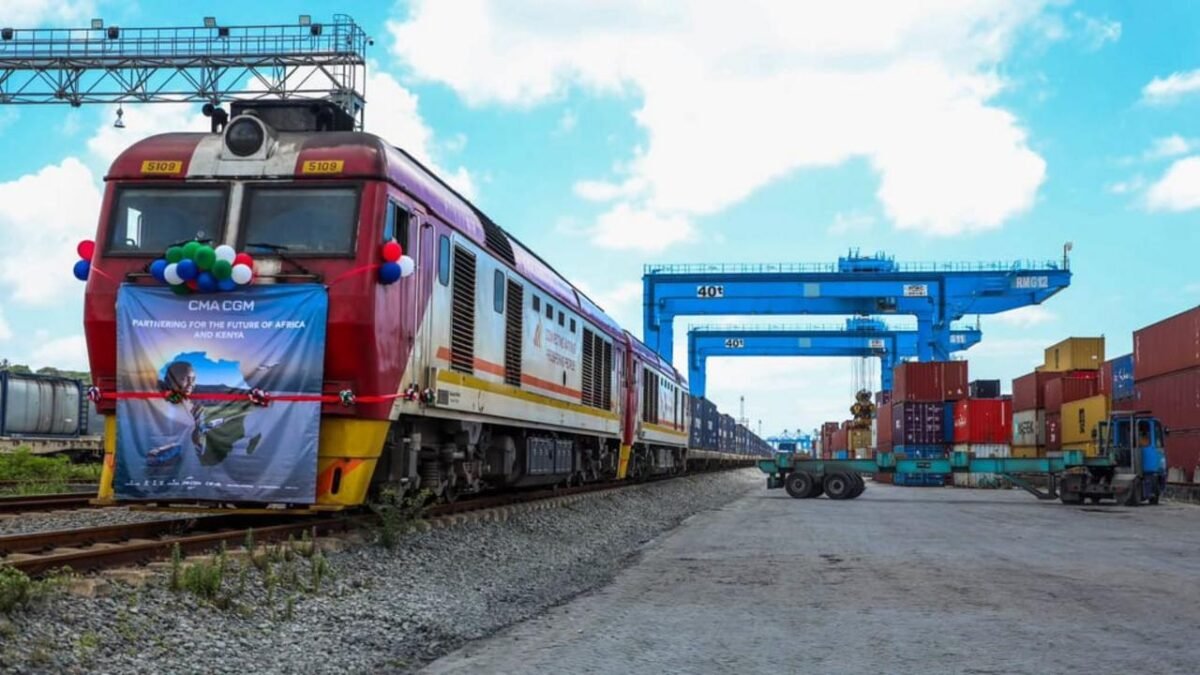
CMA CGM has launched a dedicated block train service connecting the Port of Mombasa to the Inland Container Depot in Nairobi, marking a strategic effort to consolidate the carrier’s presence in the East African container market.
The service, operated in partnership with the Kenya Ports Authority and Kenya Railways Corporation, utilizes a 54-wagon configuration capable of moving 108 containers per transit. While the current schedule is set at one train per week, the carrier has signaled plans to scale frequency based on demand and eventually introduce a return service.
Operational Integration
This infrastructure investment shifts the competitive landscape for containerized cargo flowing through Mombasa. By controlling the inland leg of the supply chain, CMA CGM is moving to bypass traditional road-haulage bottlenecks that have historically plagued East African logistics corridors.
The move serves as a direct response to rising volumes at the Port of Mombasa, which processed 2.1 million TEU in 2025, a 5.5 percent increase over 2024. For a carrier of CMA CGM’s scale, the integration of rail assets is less about the immediate marginal profit of the rail leg and more about securing “door-to-door” cargo control. This reduces reliance on third-party drayage providers and provides the carrier with a proprietary pipeline for moving goods between international markets and inland economic centers.
Competitive Implications
For shippers, the service creates a captive logistics loop that promises higher predictability in transit times compared to truck-dominated corridors. However, it also suggests an evolving competitive dynamic at the terminal gate. As major lines invest in dedicated inland connectivity, they effectively lock in cargo volumes at the point of discharge, leaving smaller carriers with less infrastructure leverage to compete for hinterland-bound freight.
With 45.4 million metric tons of cargo moving through Mombasa in 2025, the ability to guarantee inland capacity now serves as a primary differentiator for shipping lines competing for market share in Kenya’s growing import sector.