Cosco Car Carrier Fire: 22 Crew Rescued Safely | Mariner News
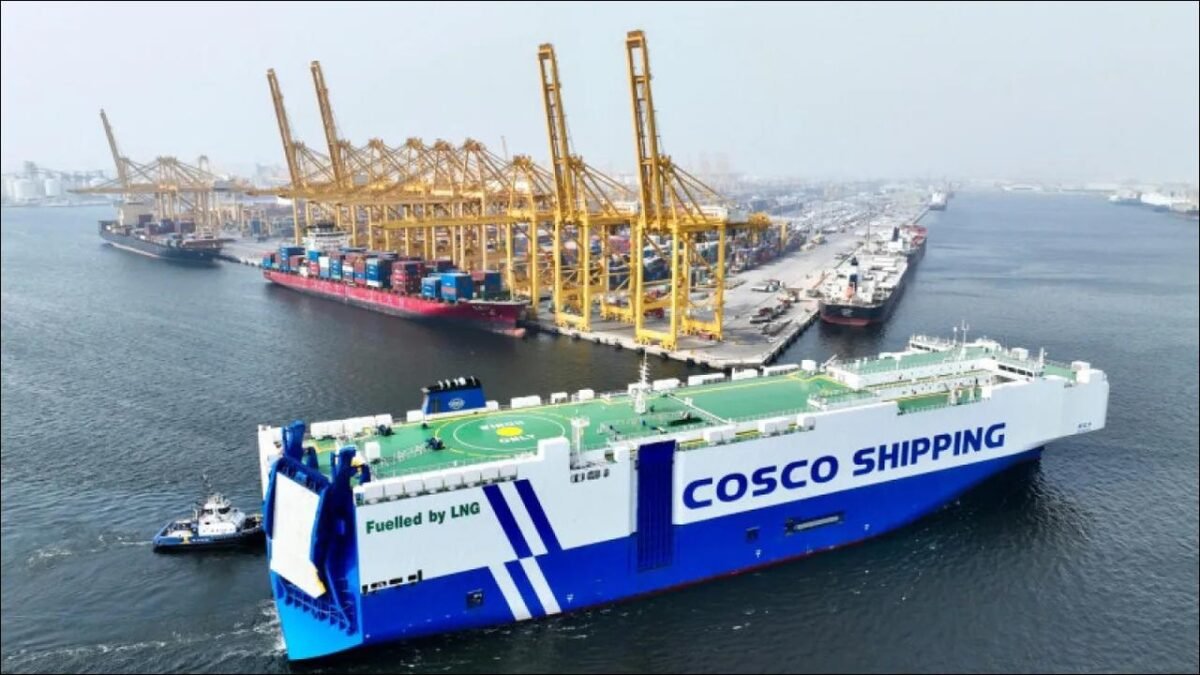
A significant maritime incident unfolded recently as all twenty-two crew members were successfully rescued from a burning Cosco car carrier. The dramatic rescue operation, coordinated expertly by the US Coast Guard, ensured that no injuries were reported among the ship’s personnel, offering a testament to robust emergency response protocols at sea. Following the immediate evacuation, marine salvage specialists from Resolve Marine have been brought in to manage the vessel and tackle the ongoing vessel fire. Initial reports have also confirmed the absence of any reported environmental impact, a crucial positive outcome given the potential for ecological damage in such incidents. This event underscores the inherent risks within global shipping and highlights the vital importance of rapid, coordinated action in safeguarding lives and protecting our oceans.
Swift Emergency Response and Successful Crew Evacuation
The alarm was raised after a fire was detected on board the Cosco car carrier, triggering an immediate and well-rehearsed emergency response. The ship’s crew, trained for such critical situations, initiated preliminary firefighting measures while simultaneously preparing for potential evacuation. Their quick actions and adherence to safety protocols were instrumental in preventing initial casualties and setting the stage for a successful rescue.
Upon receiving the distress call regarding the burning Cosco car carrier, the US Coast Guard promptly swung into action, mobilizing its resources and coordinating with commercial vessels in the vicinity. The efficiency of maritime communication and the collaborative spirit of seafarers played a crucial role, allowing for rapid deployment of assets and clear direction for the rescue effort. This swift maritime coordination is often the deciding factor in the success of such high-stakes operations at sea.
The maritime rescue operation itself was executed flawlessly, resulting in all crew members rescued from the perilous situation. Life rafts and potentially assisting vessels were utilized to safely transfer the personnel away from the immediate danger zone. The focus remained squarely on seafarer safety, ensuring that every individual was accounted for and brought to safety without incident. This successful evacuation stands as a prime example of effective emergency response and demonstrates the critical value of comprehensive training and preparedness in the face of a severe shipboard fire.
Taming the Inferno: Salvage Experts Mobilized
Bringing a vessel fire under control on a large commercial ship like a Cosco car carrier presents a unique and formidable challenge. The immense volume of cargo, specifically vehicles in this instance, can provide significant fuel for a blaze, making containment and extinguishment incredibly complex. Car carriers, with their multiple decks and enclosed spaces, are particularly susceptible to rapid fire spread, demanding specialized firefighting techniques and equipment.
Recognizing the complexity and scale of the blaze, Resolve Marine, a globally renowned leader in salvage operations, was quickly engaged to take charge of the incident. Their team of highly experienced marine salvors and firefighting experts is equipped with the advanced technology and strategic know-how required to battle deep-seated fires on large vessels. Their immediate priorities include assessing the fire’s extent, stabilizing the vessel, and developing a comprehensive plan for extinguishment while ensuring the safety of their own personnel.
Currently, intensive firefighting efforts are underway to bring the burning Cosco car carrier under control. This involves careful monitoring of the ship’s structure, managing potential hot spots, and employing specialized fire suppression agents to cool and starve the flames. The goal is not only to extinguish the fire but also to mitigate further vessel damage and prepare the ship for eventual towing or repair. The expertise of salvors is paramount in minimizing the long-term impact of such a devastating marine incident on the vessel and its cargo.
Protecting Our Oceans: Preventing Environmental Disaster
One of the paramount concerns following any significant marine incident, especially a vessel fire on a large commercial ship, is the potential for environmental impact. The vast quantities of bunker fuel, lubricants, and potentially hazardous cargo on board pose a serious threat of pollution to delicate marine ecosystems. A substantial oil spill could have catastrophic consequences for marine life, coastal communities, and the broader environment, making rapid intervention and preventative measures absolutely critical.
In this particular incident involving the burning Cosco car carrier, the news regarding the environment has, fortunately, been positive. So far, no environmental impact has been reported, which is a testament to the swift action taken by all parties involved. The immediate coordination by the US Coast Guard and the subsequent engagement of Resolve Marine focused not only on crew safety and fire suppression but also on robust pollution prevention strategies. Containment booms and other anti-pollution measures are typically on standby or deployed as a precautionary measure in such scenarios.
Ongoing monitoring and assessment of the situation are crucial to ensure that this positive environmental status holds. Experts are continuously evaluating the vessel’s integrity, potential leaks, and the status of any hazardous materials onboard. The international shipping community places immense importance on minimizing ecological damage, and efforts like these reinforce the commitment to responsible operations and swift response when environmental threats emerge from a shipboard fire or other maritime emergencies. The absence of an environmental disaster is a significant relief and a clear indicator of successful crisis management.
Upholding Maritime Safety Standards in Global Shipping
The incident with the burning Cosco car carrier serves as a stark reminder of the inherent dangers and challenges faced daily in the shipping industry. Despite advancements in technology and safety protocols, maritime incidents can and do occur, underscoring the continuous need for vigilance, rigorous training, and adherence to international safety standards. Such events prompt critical reviews and often lead to further enhancements in safety regulations and operational practices across the board.
Over the years, the landscape of maritime safety has evolved significantly, driven by lessons learned from past disasters and continuous efforts by international bodies like the International Maritime Organization (IMO). These organizations work tirelessly to develop and enforce stringent regulations concerning ship construction, equipment, crew training, and emergency procedures, all aimed at enhancing seafarer safety and operational reliability. The successful rescue in this case reflects the effectiveness of these comprehensive safety frameworks.
Shipping companies, including major players like Cosco, invest heavily in maintaining high safety standards, conducting regular drills, and ensuring their crews are well-prepared for any contingency, including shipboard fires. Proactive measures, such as advanced fire detection systems, inert gas systems, and regular equipment maintenance, are standard practice. This incident, while concerning, ultimately highlights the resilience of the global shipping sector and its collective commitment to minimizing risks and ensuring prompt and effective emergency response when unforeseen events occur. It’s a continuous journey of improvement and adaptation to the dynamic challenges of the high seas.
The Broader Impact on the Shipping Industry
While the immediate focus of this maritime incident remains on the burning Cosco car carrier and the ongoing firefighting efforts, such events invariably have broader implications for the shipping industry. Operational disruptions, cargo delays, and the financial burden of salvage operations, repairs, and potential claims can be substantial. For a prominent operator like Cosco, managing the fallout of such an incident requires significant resources and strategic planning to minimize long-term impact on its extensive fleet and global logistics network.
Beyond the immediate vessel, maritime incidents like this reinforce the need for robust risk management and insurance frameworks within the global shipping community. Underwriters and shipowners regularly assess and mitigate risks associated with navigating complex sea routes and transporting diverse cargo. The resilience of the shipping industry is often tested by these unforeseen events, yet its fundamental role in global trade means that it consistently adapts and recovers, learning valuable lessons with each occurrence to enhance future safety and efficiency.
This particular event serves as a powerful reminder to all stakeholders in the shipping industry about the critical importance of continuous investment in maritime safety, advanced crew training, and effective emergency protocols. It showcases the interdependent nature of the sector, where the swift action of the US Coast Guard, the expertise of salvors like Resolve Marine, and the preparedness of the ship’s crew collectively contribute to a positive outcome in a dire situation. The successful rescue of all crew members rescued from the burning Cosco car carrier underscores a unified commitment to human life and environmental protection at sea.
In conclusion, the successful maritime rescue of all twenty-two crew members rescued from the burning Cosco car carrier is a testament to the effectiveness of coordinated emergency response at sea. While Resolve Marine continues its challenging work to extinguish the vessel fire, the initial absence of injuries and environmental impact provides significant relief. This incident reinforces the unwavering commitment of the US Coast Guard and the entire shipping industry to maritime safety and efficient emergency response, ensuring the well-being of seafarers and the protection of our precious marine environment in the face of significant challenges.