US Sanctions Iran-Linked Ships & Shipping Firms | Mariner News
In a significant move to counter Iran’s illicit maritime activities, the US has once again intensified its enforcement, announcing US sanctions on more Iran-linked ships and shipping companies. This latest action by the US Department of the Treasury’s Office of Foreign Assets Control (OFAC) targets a sophisticated network allegedly controlled by Mohammad Hossein Shamkhani, son of a former IRGC commander. These stringent measures are designed to disrupt the flow of funds and goods supporting Iran’s destabilizing regional actions, sending a clear message to entities involved in sanctions evasion within the maritime shipping industry. The crackdown underscores the US commitment to curtailing Iran’s ability to finance its proxies and proliferation efforts through deceptive shipping practices and complex logistical arrangements globally. The implications for global maritime trade and shipping compliance are substantial, requiring heightened vigilance from all stakeholders.
OFAC’s latest designations focus on a diverse array of maritime assets, including container shipping firms, cargo vessels, and tankers. These entities are accused of facilitating the transportation of goods to and from Iran, thereby enabling the evasion of existing international sanctions. The US Treasury statement highlighted that these operations often involve complex ownership structures and port calls designed to obscure the ultimate beneficiary and origin of the cargo. This continued pressure on Iranian shipping networks illustrates a broader strategy by the US to choke off financial lifelines to the Iranian regime, demonstrating that no part of the global supply chain is immune from scrutiny when tied to illicit activities.
US Sanctions Intensify: Targeting Iran’s Maritime Evasion Network
The recent announcement of US sanctions against Iran-linked ships and shipping companies marks a critical escalation in the ongoing efforts to dismantle Iran’s sophisticated network for sanctions evasion. The US Treasury’s Office of Foreign Assets Control (OFAC) has explicitly stated its intent to disrupt an intricate web of entities facilitating illicit trade, which has been instrumental in funding the Iranian regime’s destabilizing activities, including support for proxy groups such as the Houthis in Yemen. This proactive approach underscores a zero-tolerance policy towards any entities, regardless of their geographical location, found to be complicit in circumventing international restrictions. The objective is clear: to sever financial lifelines and impose significant costs on those who aid Iran’s illicit endeavors.
The strategic focus of these maritime sanctions is not merely on individual vessels or firms but on the broader ecosystem that allows Iranian shipping networks to operate with impunity. This includes targeting not only the direct carriers of goods but also the underlying logistical support, management, and financial services that enable these operations. By targeting entities in diverse jurisdictions, from Singapore to the UAE and Hong Kong, the US aims to close loopholes that Iranian networks have exploited for years. This expansive strategy is designed to create a deterrent effect, compelling shipping companies and maritime service providers worldwide to exercise extreme caution and due diligence when engaging in trade with Iranian entities or those suspected of such links.
This robust enforcement action serves as a stark reminder of the persistent challenges posed by sanctions evasion in the global maritime industry. The tactics employed by the Iranian network, such as deceptive shipping practices, flag hopping, and complex corporate structures, necessitate a comprehensive and aggressive response. The US government is leveraging its intelligence and analytical capabilities to identify and expose these intricate schemes, making it increasingly difficult for illicit actors to operate without detection. The ongoing pressure aims to heighten risk perception across the entire shipping sector, fostering a culture of rigorous compliance to prevent inadvertent involvement in prohibited activities.
Key Shipping Companies and Vessels Designated by OFAC
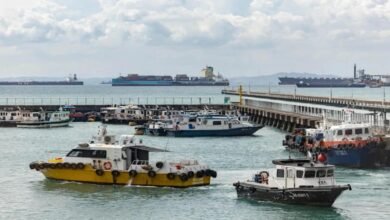
In its latest round of designations, OFAC identified several key players in the shipping sector that are allegedly part of Iran’s evasion network. Among the most prominent entities sanctioned is Singapore-based Sea Lead Shipping Pte. Ltd. and its subsidiaries located in the UAE, Marshall Islands, and India. Sea Lead Shipping is a significant container shipping firm operating global routes, and its designation sends a powerful message across the industry regarding the potential for legitimate businesses to be exploited or to knowingly engage in illicit trade. OFAC alleges that these companies managed container shipping operations that carried both legal and illegal cargoes, including consignments linked to the Iran-backed Houthis, highlighting the dual-use nature of some of these shipping channels.
Beyond Sea Lead Shipping, OFAC also sanctioned several other crucial shipping companies and logistics providers. These include Volta Shipping Services, We Freight Shipping, and Sai Wan Shipping, alongside other firms registered in various jurisdictions such as the Marshall Islands, Hong Kong, St Kitts and Nevis, and the UAE. This broad geographical spread of designated entities underscores the global reach and complexity of the Iranian maritime network, emphasizing how diverse international jurisdictions are being utilized to facilitate sanctions evasion. The inclusion of these companies indicates a deep dive by OFAC into the operational layers that support Iran’s illicit trade, from cargo handling to vessel management.
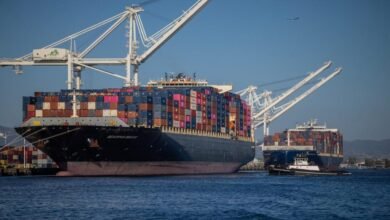
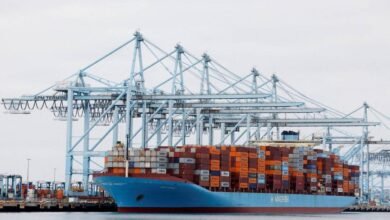
Crucially, specific vessels were also identified as blocked property under these new US sanctions. These include the container ships Shenton Way, Tanjong Pagar 1, and Paya Lebar. The designation of specific vessels sends an immediate and unambiguous signal to port authorities, insurers, financial institutions, and other maritime service providers worldwide about the risks associated with these ships. Furthermore, several cargo vessels operating between Iran and Russia in the Caspian Sea were also targeted, along with certain tankers. This highlights the multi-modal and geographically diverse nature of Iran’s efforts to move goods, including potentially oil or other strategic materials, to maintain its economic lifelines despite international pressure. The targeting of these assets directly impacts their ability to operate, procure insurance, access ports, and conduct financial transactions.
Understanding the Scope: Illicit Maritime Activities and Global Impact
The scope of these US sanctions extends far beyond simply blocking a few ships or shipping companies; it seeks to fundamentally disrupt the channels through which Iran conducts its illicit maritime trade. The actions expose the intricate methods used by the Iranian shipping network to obfuscate ownership, manipulate documentation, and engage in ship-to-ship transfers at sea to hide the origin and destination of cargo. These deceptive practices not only undermine the effectiveness of sanctions regimes but also pose significant risks to global supply chain security, creating an uneven playing field for legitimate businesses that adhere strictly to international laws and regulations. The potential for reputational damage and financial penalties for firms inadvertently caught in these networks is substantial.
Moreover, the link to the Iran-backed Houthis in Yemen, as cited by OFAC, illustrates the direct impact of this illicit maritime activity on regional stability and international security. The funds generated through sanctions evasion are often diverted to support militant groups, finance destabilizing actions, and advance Iran’s nuclear and missile programs, which pose a significant threat to global peace. By targeting the economic infrastructure that enables these activities, the US aims to reduce Iran’s capacity to engage in such behavior. This aspect elevates the maritime compliance conversation from purely economic concerns to critical national and international security imperatives.
The broader implications for the global shipping industry are profound. These sanctions serve as a potent reminder for all maritime stakeholders, including shipowners, operators, charterers, insurers, brokers, and financial institutions, to enhance their due diligence processes. The increasing scrutiny of maritime trade involving high-risk jurisdictions necessitates robust compliance frameworks and sophisticated screening tools to identify potential links to sanctioned entities or activities. The risk of secondary sanctions for foreign firms facilitating transactions with designated entities is a constant threat, driving a need for proactive and comprehensive risk management strategies across the entire shipping sector. The global nature of the maritime industry means that the reverberations of these sanctions will be felt across continents, influencing operational decisions and investment flows.
Navigating Compliance: Challenges for the International Shipping Industry
For the international shipping industry, navigating the complex landscape of US sanctions presents ongoing and significant challenges. Companies must invest heavily in maritime compliance programs, which include advanced vessel tracking systems, thorough background checks on clients and partners, and regular training for personnel. The sophisticated nature of sanctions evasion, particularly within Iranian shipping networks, requires a proactive and adaptive approach. Firms must remain vigilant about red flags such as unusual shipping routes, frequent changes in vessel flags, unexplained ship-to-ship transfers, and opaque ownership structures, all of which are indicative of attempts to bypass sanctions and statutory limitations.
The onus is increasingly on individual shipping companies to ensure they are not inadvertently facilitating illicit trade. This includes scrutinizing charter agreements, bills of lading, and payment channels for any connections to designated entities or sanctioned countries. The regulatory environment is constantly evolving, requiring continuous monitoring of OFAC’s updated lists and advisories. Failure to comply can result in severe penalties, including hefty fines, asset seizures, and significant reputational damage, which can lead to exclusion from key markets and financial services. The financial sector, in particular, is under immense pressure to identify and block transactions linked to sanctioned parties, adding another layer of complexity for maritime businesses.
Furthermore, the extraterritorial reach of US sanctions means that even non-US entities engaged in maritime trade with designated Iranian entities can face repercussions. This demands a global perspective on compliance, moving beyond local regulations to understand and adhere to the broader international sanctions framework. Industry associations and technological solutions are playing an increasingly vital role in helping shipping companies enhance their compliance capabilities. Platforms that offer real-time data on vessel movements, ownership, and sanctions status are becoming indispensable tools for risk assessment and mitigation. The goal is to build resilient and transparent supply chains that can withstand the scrutiny of regulatory bodies and safeguard against illicit actors.
The Geopolitical Context and Future of Iran Sanctions Enforcement
The imposition of US sanctions on more Iran-linked ships and shipping companies occurs within a broader geopolitical context marked by heightened tensions in the Middle East. The US government consistently reiterates its commitment to preventing Iran from developing nuclear weapons and curbing its regional destabilization efforts. These maritime sanctions are a key component of a multifaceted strategy aimed at exerting maximum economic pressure on Tehran, forcing a reconsideration of its policies. The targeting of Iranian shipping networks directly impacts a vital revenue stream for the regime, demonstrating that the US will pursue all available avenues to enforce its foreign policy objectives and international security standards.
Looking ahead, the future of Iran sanctions enforcement is likely to see continued vigilance and adaptation. As Iran’s networks evolve their methods of evasion, so too will OFAC refine its targeting strategies and investigative techniques. This could include further designations of shipping entities, logistics providers, financial facilitators, and individuals associated with the illicit trade. The emphasis will remain on disrupting the entire chain of supply and finance that supports Iran’s proliferation and proxy activities. The international community, while not always unified on the approach to Iran, generally agrees on the need to prevent proliferation and address regional instability, creating a degree of international support for such enforcement actions.
For the global shipping industry, this means that maritime compliance will remain a top priority. Companies must anticipate an environment of sustained scrutiny and evolving regulatory requirements. Continuous investment in robust due diligence, transparent operational practices, and ongoing training will be essential for mitigating risks and maintaining operational integrity. The ongoing enforcement of US sanctions against Iran-linked ships and shipping companies serves as a powerful reminder that vigilance and strict adherence to international regulations are not merely best practices, but absolute necessities in today’s complex global maritime trade landscape. Staying informed and proactive will be paramount for all stakeholders in this dynamic environment.