Shipping’s Methane Pathway: LNG & Biomethane Momentum | Mariner News
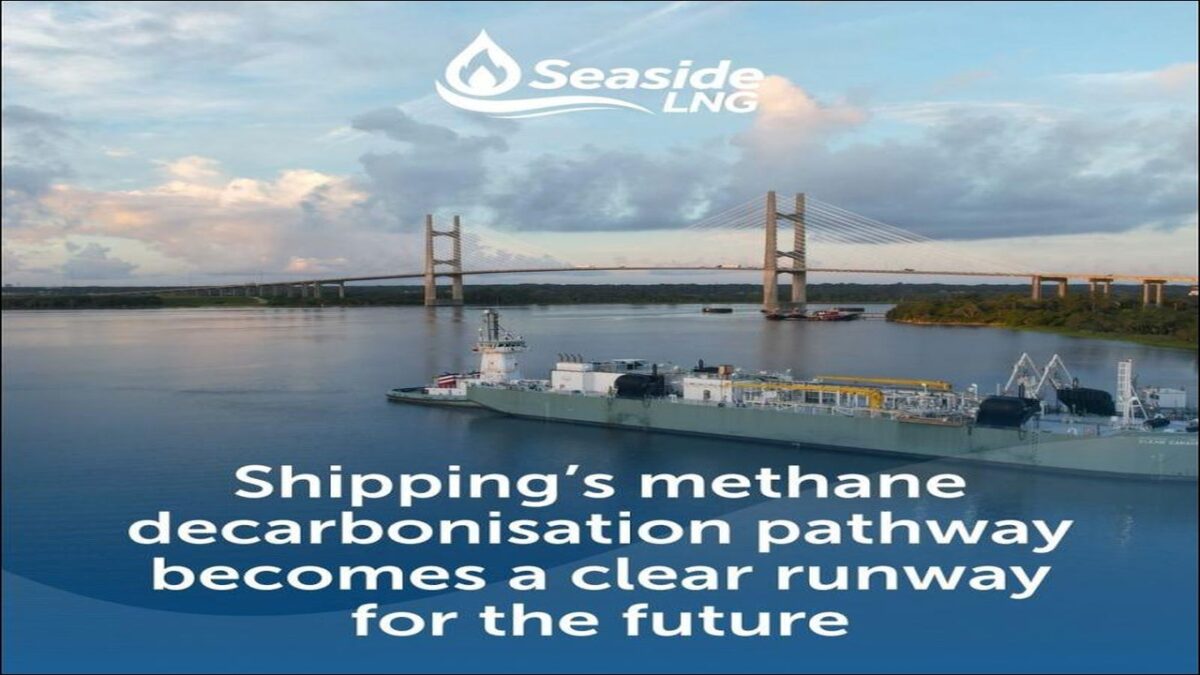
The global maritime sector is navigating complex waters, balancing the urgent need for decarbonization with geopolitical shifts and evolving regulations. Despite these challenges, LNG (Liquefied Natural Gas) and biomethane are rapidly gaining traction as crucial cleaner marine fuels, solidifying the methane pathway for shipping decarbonization. A recent SEA-LNG review for the first half of 2026 highlights significant industry momentum, showcasing unwavering commitment to these alternative fuels. This forward trajectory underscores the maritime industry’s ambition to reduce its environmental footprint, transition towards more sustainable shipping, and strategically position itself for future emissions targets while maintaining operational efficiency.
Accelerating Adoption of LNG Dual-Fuel Vessels
Confidence in the methane pathway is visibly demonstrated by the accelerating adoption of LNG dual-fuel ships. DNV data for the first half of 2026 recorded 73 new LNG dual-fuel vessel orders, accounting for nearly 90% of all alternative-fuelled ship orders. This robust order book signals a strategic long-term investment by leading shipping companies, acknowledging LNG’s immediate benefits in emissions reduction and its compatibility with future renewable methane sources like biomethane.
Beyond compliance with stricter environmental regulations, these LNG-powered vessels significantly reduce sulphur oxides (SOx), nitrogen oxides (NOx), and particulate matter, contributing to cleaner air. The ability of LNG to offer a substantial reduction in greenhouse gas emissions compared to traditional heavy fuel oil makes it a preferred choice for enhancing green credentials and meeting stakeholder expectations for responsible operations.
This sustained demand reinforces LNG as a foundational component of the maritime energy transition, capable of supporting operations as blend-in solutions with bio-LNG and synthetic LNG become more prevalent, showcasing a proactive approach to sustainable shipping.
Robust Growth in LNG Bunkering Infrastructure
The expanding fleet of LNG-fuelled ships is supported by a rapidly growing global bunkering infrastructure. SEA-LNG’s review highlights 67 LNG bunker vessels (LBVs) currently in operation, providing essential ship-to-ship bunkering services. An additional 42 LBVs are on order, indicating clear growth towards broader global coverage and enhanced accessibility for LNG-powered ships. This expansion is critical for de-risking investments in LNG propulsion technology and building shipowner confidence in fuel availability across key shipping lanes and major ports.
This physical expansion translates directly into increased global LNG bunker volumes. Kpler data shows monthly volumes averaged approximately 770,000 cubic meters between January and May, a 13% increase year-on-year. This surge is driven by more LNG-fuelled ships entering service and the continued competitive pricing of LNG against conventional marine fuels.
This multifaceted approach, including port terminals equipped for various bunkering operations, is pivotal for making LNG accessible to a wider segment of the maritime industry, underpinning the commitment to the methane pathway and the energy transition towards sustainable shipping.
Biomethane: The Future of Renewable Maritime Fuel
For long-term decarbonization, the integration of renewable methane sources like biomethane (and synthetic LNG) is paramount. SEA-LNG’s review emphasizes the encouraging progress in bio-LNG production and adoption. Biomethane, derived from organic waste, serves as a direct drop-in solution for existing LNG infrastructure and engines, eliminating the need for costly vessel or bunkering modifications. This compatibility makes it an exceptionally attractive future fuel for the maritime industry, significantly reducing lifecycle greenhouse gas emissions.
Europe, a leader in renewable energy, saw its biomethane production capacity reach 8.2 billion cubic meters per year by Q2 2026, a substantial 17% year-on-year increase. This expansion is vital for providing a scalable and sustainable supply of bio-LNG for shipping, directly addressing concerns about the fossil origin of conventional LNG.
Integrating biomethane leverages existing LNG infrastructure, offers substantial lifecycle greenhouse gas reductions (up to 80-90% vs. heavy fuel oil), and supports ambitious decarbonization targets. This embrace of bio-LNG reinforces the versatility and long-term viability of the methane pathway as a comprehensive clean energy solution for global sustainable shipping.
Resilience Amidst Global Challenges
The consistent progress in LNG and biomethane adoption is particularly impressive given the prevailing geopolitical uncertainty and an evolving regulatory environment throughout 2026. Global energy markets have faced significant volatility from regional conflicts and supply chain disruptions. Despite these external pressures, the maritime industry’s commitment to the methane decarbonization pathway remains unwavering, underscoring the fundamental strategic importance of these alternative fuels.
Regulatory developments, while essential for accelerating shipping decarbonization, can introduce complexities. Measures like the IMO’s Carbon Intensity Indicator (CII) and Energy Efficiency Existing Ship Index (EEXI), alongside regional initiatives like the EU Emissions Trading System (EU ETS) for maritime transport, require significant investment and adaptation. Yet, the industry’s continued investment in LNG and biomethane demonstrates a strategic response, viewing these cleaner fuels as reliable solutions for meeting current and future compliance requirements.
This resilience highlights a proactive and adaptive approach, where operators strategically invest in sustainable shipping solutions for competitive advantage, leveraging LNG and biomethane for immediate greenhouse gas reductions and significant cuts in other pollutants, positioning the sector as a leader in maritime emissions reduction.
Paving the Way for a Sustainable Maritime Future
The collective data underscores that LNG and biomethane are integral to the maritime industry’s long-term decarbonization strategy. The growth in LNG dual-fuel vessel orders, expanding bunkering infrastructure, and accelerating biomethane production demonstrate a resolute commitment to a greener future. The methane pathway, embracing both fossil LNG for immediate impact and renewable biomethane for ultimate decarbonization, offers a scalable, technologically mature, and economically viable route to achieve ambitious environmental targets.
This translates into tangible benefits: significantly reduced SOx, NOx, and particulate matter emissions. As the industry advances, continued collaboration among stakeholders will accelerate the energy transition. The proactive embrace of cleaner fuels positions shipping as a leader in global decarbonization efforts. Explore how these innovative fuel solutions can enhance your fleet’s environmental performance and operational efficiency.