DP World & Hapag-Lloyd Boost Biofuel Carbon Insetting | Mariner News
In a significant stride towards sustainable shipping, global logistics leader DP World has announced a substantial $1 million investment in Hapag-Lloyd’s biofuel-based carbon insetting program. This pivotal partnership underscores a shared commitment to decarbonizing the maritime industry, actively embracing green solutions to reduce environmental impact. DP World’s financial commitment will directly bolster Hapag-Lloyd’s Ship Green initiative, aiming to cut carbon dioxide emissions significantly through the use of certified waste-based biofuels. This collaboration exemplifies how leading entities are combining commercial resilience with measurable sustainability outcomes, delivering tangible benefits for both the environment and for customers seeking verifiable emission reductions in their supply chains.
DP World and Hapag-Lloyd: A Green Alliance for Maritime Decarbonization
This transformative investment from DP World is set to unfold over the next four quarters. The allocated $1 million is specifically earmarked to help avoid approximately 4,762 metric tons of CO2 emissions. This substantial reduction will be achieved by integrating certified waste-based biofuels into Hapag-Lloyd’s extensive fleet, directly impacting the carbon intensity of their operations. The initiative serves as a powerful testament to both companies’ dedication to pioneering sustainable shipping solutions and addressing the urgent imperative of maritime emissions reduction.
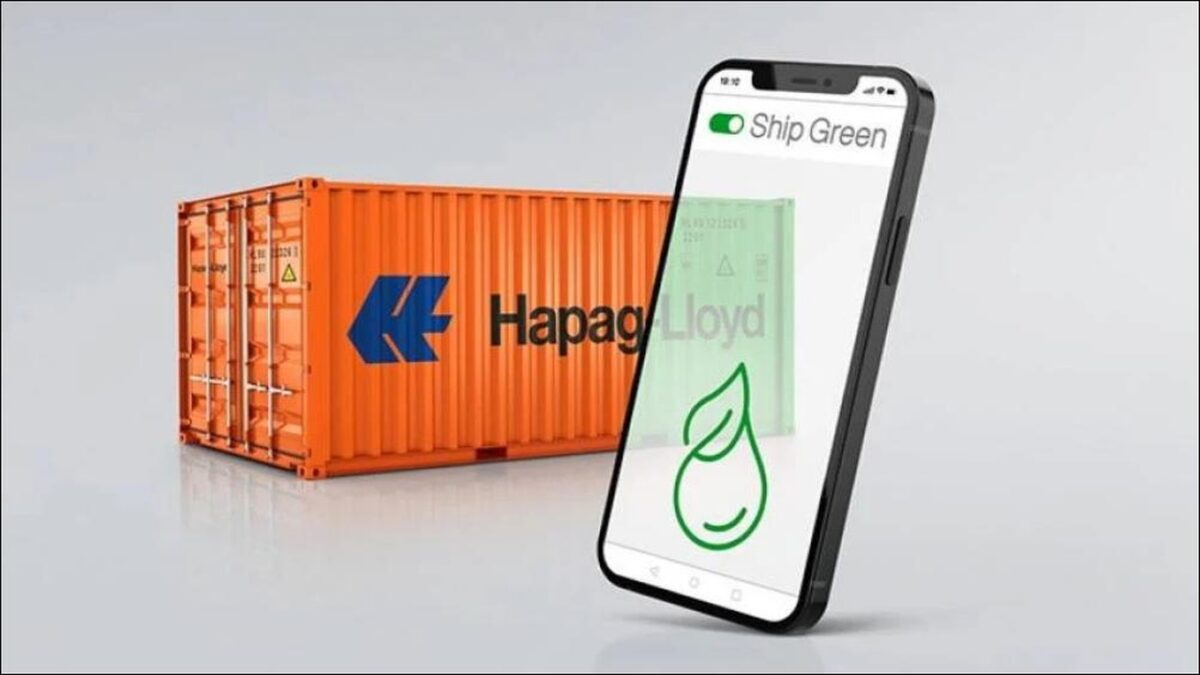
Hapag-Lloyd’s Ship Green program is central to this endeavor, empowering customers to actively engage in the decarbonization of ocean freight. Through the purchase of verified emission reductions, clients can ensure their cargo transportation directly contributes to a greener global supply chain. This innovative mechanism fosters transparency and accountability in sustainable logistics, offering a direct link between investment and measurable environmental benefit.
Terry Donohoe, Senior Vice President of Freight Forwarding for DP World in the Americas, articulated the strategic vision behind the partnership. He stated, “This partnership reflects how we are evolving our ocean freight business to deliver both commercial resilience and measurable sustainability outcomes.” Donohoe emphasized the creation of a solution that not only advances DP World’s decarbonization ambitions but also generates tangible value for customers through verified emissions reductions. This collaboration exemplifies a proactive response to the escalating demand for eco-friendly transport options and underscores the growing importance of supply chain sustainability.
The Power of Biofuel-Based Carbon Insetting in Sustainable Shipping
At the core of Hapag-Lloyd’s Ship Green program lies the principle of carbon insetting, a targeted approach to reducing emissions within a company’s own value chain. Unlike traditional carbon offsetting, which might involve external projects, carbon insetting directly contributes to lowering emissions from Hapag-Lloyd’s vessels, making the carbon reduction an intrinsic part of the shipping service itself. This method offers a more transparent and directly verifiable pathway to GHG reduction, bolstering the credibility of sustainable shipping efforts within global ocean transportation.
The biofuels employed are specifically certified waste-based, a crucial factor that ensures their production avoids competition with food crops and prevents deforestation. This commitment maximizes their environmental advantages, proving to substantially reduce greenhouse gas (GHG) emissions. These advanced biofuels achieve at least an 84% reduction on a well-to-wake basis compared to conventional marine fuels. This comprehensive analysis covers the entire fuel lifecycle from production to ship combustion, offering a holistic measure of their true environmental impact.
The rigorous certification process for these waste-based biofuels is vital for maintaining the integrity of the emission reductions. Independent bodies verify the sustainable sourcing and production of these fuels, guaranteeing adherence to strict environmental criteria. This verification provides both DP World and Hapag-Lloyd with the confidence to communicate the genuine sustainability outcomes of their collaboration to stakeholders and customers, further strengthening trust in their green shipping initiatives. Such strategic adoption of biofuel technology underscores the maritime industry’s shift towards practical, implementable decarbonization strategies for a greener future.
Charting a Sustainable Course for Global Logistics and Trade
This partnership between DP World and Hapag-Lloyd resonates deeply within the broader context of the global maritime industry’s ambitious decarbonization goals. With growing international regulations and societal pressures pushing shipping towards net-zero targets by 2050, initiatives like Ship Green are not merely corporate social responsibility efforts; they are strategic imperatives for long-term viability and competitiveness. Such collaborations demonstrate a forward-looking approach to meeting formidable environmental challenges, setting a precedent for proactive engagement across the global supply chain.
As prominent leaders in container shipping and logistics, DP World and Hapag-Lloyd wield significant influence over the trajectory of this green transition. Their collective operational scale means that investments in sustainable solutions, even at this level, can create a powerful ripple effect across the entire global supply chain. By integrating biofuel-based carbon insetting into their service offerings, they are not only curbing their own emissions but also empowering their customers – from importers to manufacturers – to more effectively achieve their individual supply chain sustainability objectives and contribute to broader climate action.
The market demand for green freight options continues to escalate, fueled by corporate ESG commitments and consumer preferences for eco-friendly products. Companies capable of providing verifiable emission reductions in their logistics services gain a competitive edge. DP World’s investment in Hapag-Lloyd’s program is a direct response to this evolving market, offering a commercially resilient path to meet these demands while actively contributing to global climate action. It exemplifies a sophisticated understanding that sustainability has evolved from an optional add-on to a fundamental business driver for eco-friendly transport options.
The implications of this investment extend beyond immediate emission reductions, signaling a clear path towards a future where sustainable logistics is standard practice. This partnership solidifies the role of biofuels as a crucial bridging technology for net-zero shipping, providing an immediate and scalable solution while promising research into hydrogen, ammonia, and other zero-emission fuels continues to advance. The success of Ship Green could well inspire broader adoption of similar carbon insetting models across the maritime sector, fostering a culture of continuous improvement in environmental performance for logistics sustainability and global trade, driving the industry towards its crucial decarbonization goals.
In summary, DP World’s substantial investment in Hapag-Lloyd’s biofuel-based carbon insetting program marks a pivotal moment in the ongoing efforts to decarbonize ocean freight. This strategic alliance promises significant emission reductions and establishes a strong precedent for collaborative sustainability initiatives within the maritime industry. By championing certified waste-based biofuels and a transparent carbon insetting model, both organizations deliver measurable environmental benefits and offer valuable green solutions to their clientele. This move reinforces the imperative for commercial resilience to be linked with demonstrable sustainability outcomes, charting a clear course for a greener, more responsible future in global shipping and logistics. It reflects a shared vision to actively drive global climate action through innovative and practical sustainable shipping solutions.