Bunker One: First Bioethanol Bunkering for CMA CGM | Mariner News
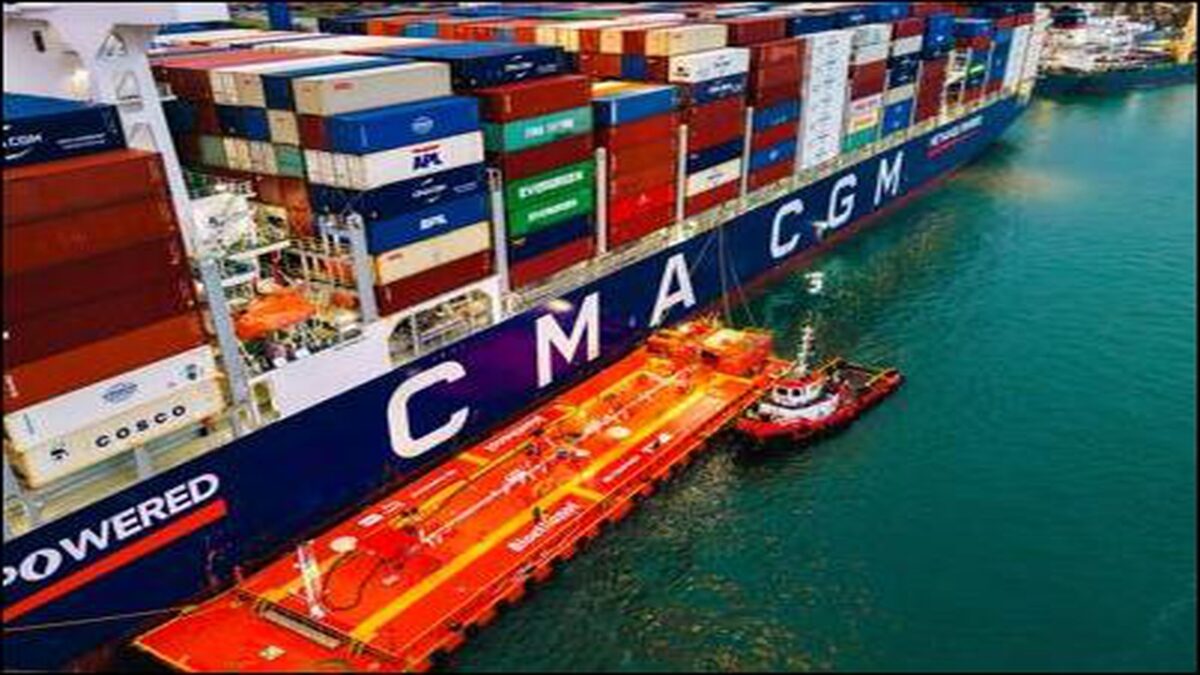
In a landmark event poised to redefine the landscape of maritime energy, global marine fuels supplier Bunker One has successfully executed Latin America’s inaugural bioethanol bunkering operation for an ocean-going container vessel. This groundbreaking achievement, involving the CMA CGM Iron at Brazil’s bustling Port of Santos, marks a significant stride in the global maritime industry’s relentless pursuit of sustainable shipping solutions. The delivery of 500,000 litres of anhydrous bioethanol not only underscores the technical feasibility of this alternative marine fuel but also highlights the proactive efforts of key players like Bunker One and CMA CGM in driving the decarbonization agenda forward across the region and beyond. This initiative sets a powerful precedent for cleaner energy adoption in the Americas.
Latin America’s Pioneering Leap in Green Shipping
The successful bioethanol bunkering of the CMA CGM Iron represents a monumental step for Latin American maritime operations, positioning the region at the forefront of the global green shipping transition. For decades, the shipping industry has grappled with the challenge of reducing its considerable carbon footprint and minimizing greenhouse gas emissions. With ambitious targets set by the International Maritime Organization (IMO) for 2030 and 2050, the pressure to adopt cleaner fuels and innovative technologies has never been greater. This operation by Bunker One directly addresses these challenges, showcasing a tangible pathway towards a more environmentally responsible future for shipping.
This historic fuel delivery underscores a strategic commitment to exploring viable alternative fuels beyond traditional heavy fuel oil. By proving the operational readiness and safety protocols for handling bioethanol in a commercial setting, Bunker One has effectively de-risked future investments and encouraged broader adoption within the Latin American market. The ripple effect of such a pioneering move is expected to stimulate further research, development, and infrastructure investments in sustainable marine fuels across the continent, solidifying the region’s role in the global energy transition.
Furthermore, the collaboration between a global fuel supplier like Bunker One and a major shipping line such as CMA CGM sends a strong signal to the entire maritime ecosystem. It demonstrates that the transition to cleaner fuels is not just an aspirational goal but a practical and achievable reality. This particular operation involved a 13,000-TEU container ship, highlighting that even large-scale commercial vessels can adapt to and benefit from renewable energy sources, setting a robust example for the broader container shipping sector.
The Promise of Bioethanol as a Sustainable Marine Fuel
Bioethanol, derived primarily from biomass like sugarcane or corn, offers a compelling solution in the quest for sustainable marine fuels. As a renewable and readily available fuel source, particularly in regions like Brazil, it presents a significantly lower carbon footprint compared to conventional fossil fuels. Its combustion produces fewer particulate matter and nitrogen oxide emissions, contributing to improved air quality and reduced environmental impact, which aligns perfectly with global decarbonization efforts and the drive towards cleaner oceans.
Technically, bioethanol can be used in a variety of engine types, including dual-fuel engines, offering operational flexibility for vessel operators looking to transition from traditional fuels. While its energy density is lower than that of some fossil fuels, advancements in engine technology and fuel handling systems are continually optimizing its efficiency and performance. This makes bioethanol a strong contender alongside other alternative fuels such as LNG, methanol, and ammonia, each with its unique advantages and specific applications within the diverse maritime landscape.
Brazil stands as a global leader in bioethanol production, boasting a mature and robust supply chain built over decades. The involvement of Brazilian sugar and bioethanol producer Copersucar in this landmark bunkering operation is therefore highly significant. This collaboration leverages Brazil’s national expertise and abundant resources, making it an ideal hub for the future supply of green marine fuels. This local production capacity not only ensures a reliable supply but also reduces logistical complexities and associated emissions from long-distance fuel transportation.
Bunker One’s Meticulous Execution and Safety Standards
The successful bioethanol bunkering of the CMA CGM Iron at the Port of Santos was a testament to Bunker One’s deep operational expertise and unwavering commitment to safety. The company utilized its bunker barge, DONA ISA, for the ship-to-ship transfer of 500,000 litres of anhydrous bioethanol. Such an operation, involving a low-flashpoint fuel, demands meticulous planning, rigorous technical modifications, and stringent safety protocols to ensure a flawless execution without incident.
Ahead of the bunkering, the DONA ISA underwent extensive technical modifications. These critical preparations included specialized cargo tank conditioning, the establishment of new, detailed fuel transfer procedures, and the development of comprehensive emergency response plans tailored specifically for handling low-flashpoint fuels. Furthermore, the entire crew received intensive training to familiarize them with the unique characteristics of bioethanol and to master the enhanced safety measures required, ensuring absolute compliance with industry best practices and international regulations.
Peter Zachariassen, CEO of Bunker One, aptly captured the essence of this achievement: “The question is no longer whether bioethanol can be used as a marine fuel. It’s whether it can be supplied safely and reliably at the point of demand.” This statement underscores Bunker One’s focus not just on the technical feasibility of alternative fuels but on establishing a robust, secure, and dependable supply chain. By prioritizing safety and operational integrity, Bunker One is paving the way for wider industry confidence and adoption of new, greener fuel options.
Paving the Way for Future Maritime Decarbonization
This pioneering bioethanol bunkering operation by Bunker One and CMA CGM is more than just a single event; it serves as a powerful catalyst for accelerated maritime decarbonization efforts, particularly within Latin America. By demonstrating the practical application of bioethanol as a sustainable marine fuel, it encourages other shipping companies, ports, and fuel suppliers in the region to explore and invest in similar green fuel initiatives. This sets a precedent for regional collaboration and policy development aimed at fostering a robust clean energy ecosystem for the maritime sector.
While the path to full decarbonization is complex, involving challenges such as infrastructure investment, scalable production of alternative fuels, and evolving regulatory frameworks, this operation provides a clear direction. Bioethanol offers a near-term solution that can contribute significantly to emissions reductions while the industry continues to develop longer-term, zero-emission technologies. It highlights the importance of a multi-fuel strategy, recognizing that different vessels and routes may require distinct sustainable fuel solutions.
Looking ahead, the success of this project will likely spur further innovation and collaboration across the entire maritime value chain. It underscores the critical need for continued research, development, and investment in renewable energy technologies and the associated infrastructure. The collective effort of fuel suppliers, ship operators, ports, and regulatory bodies will be essential in overcoming the remaining hurdles and steering the global shipping industry towards a truly sustainable and environmentally responsible future. This green shipping milestone is a beacon of hope for a cleaner maritime world.
Bunker One’s supply of Latin America’s first bioethanol bunkering to the CMA CGM Iron marks a pivotal moment in the global maritime industry’s journey towards decarbonization. This groundbreaking operation, executed with meticulous planning and an unwavering commitment to safety, not only proves the viability of bioethanol as a sustainable marine fuel but also highlights Brazil’s crucial role in the green energy transition. As the industry continues to navigate the complexities of emissions reduction, such pioneering efforts by Bunker One, CMA CGM, and Copersucar demonstrate that innovative solutions and collaborative spirit are propelling us towards a cleaner, more sustainable future for global shipping, one bunkering operation at a time.