Green Energy Ports Diversify Cargo & Drive Sustainability | Mariner News
Not long ago, the very concept of an “energy port” evoked images of vast storage tanks brimming with fossil fuels, an intricate web of pipes, and the constant ebb and flow of massive tankers and barges. The descriptor “green” was rarely associated with energy infrastructure, much less with the bustling, industrial hubs of global trade. However, a profound transformation is sweeping across the maritime sector, as green energy ports are rapidly diversifying their cargo, embracing renewable resources, and charting a course toward a sustainable future. This paradigm shift is not merely an environmental aspiration but a strategic imperative, driven by evolving global energy demands, technological advancements, and the critical need for supply chain resilience amidst geopolitical disruptions affecting traditional energy products like oil and gas. Ports worldwide are now actively investing in and developing projects centered on clean energy, seizing opportunities in this burgeoning market. They are becoming pivotal logistics centers for the burgeoning renewable energy industry, demonstrating a significant pivot from their fossil fuel-centric past to a more ecologically conscious and economically vibrant future. This evolution ensures that these vital economic gateways remain relevant and robust in a rapidly changing world.
The Evolving Landscape of Energy Ports
The historical identity of energy ports was indelibly linked to the extraction, processing, and transportation of conventional hydrocarbons. These hubs were engineered for efficiency in handling crude oil, natural gas, and refined petroleum products, forming the backbone of global industrial economies for decades. Infrastructure, from specialized berths to extensive tank farms and pipelines, was designed with a singular focus: optimizing the flow of fossil fuels. However, mounting concerns over climate change, coupled with the imperative for energy independence and the decreasing cost of renewable technologies, have catalyzed a monumental shift. Environmental regulations are tightening, investor pressure for sustainable practices is intensifying, and public awareness of climate impacts is at an all-time high, all contributing to a re-evaluation of maritime operations. The geopolitical landscape also plays a crucial role; conflicts and instability in key energy-producing regions highlight the vulnerabilities of reliance on traditional energy sources, underscoring the urgency for diversification and the adoption of alternative power generation methods. This combination of factors has created an undeniable impetus for ports to evolve, leading to an innovative era where sustainability is not just a buzzword, but a fundamental operational principle.
This evolving landscape demands that ports rethink their operational models and infrastructure investments. Instead of being solely points of import and export for petroleum, they are becoming complex multimodal hubs that integrate various forms of renewable energy. This requires not only physical adjustments to existing facilities but also a strategic realignment of port management, planning, and stakeholder engagement. Ports are now engaging with new industries, from offshore wind development to hydrogen production and battery manufacturing, necessitating a broader scope of expertise and a more collaborative approach to development. The transformation is comprehensive, touching every aspect of port operations, from cargo handling to internal energy consumption, all geared towards fostering a more resilient and environmentally responsible maritime ecosystem.
Ports as Hubs for Renewable Energy Logistics
The transition towards clean energy logistics has profoundly altered the types of cargo flowing through modern ports. Where once supertankers dominated, now vessels carrying colossal wind turbine blades, intricate tower sections, massive nacelles, and the specialized foundations for offshore wind farms are becoming a common sight. Solar panel arrays, often shipped in bulk, are another growing commodity, along with sophisticated electrical transformers and components crucial for grid upgrades and electrification projects. Beyond these visible elements, the burgeoning battery market – encompassing both raw materials like lithium and finished lithium-ion battery cells and modules – represents a significant new cargo stream. Ports are also gearing up for the future of hydrogen, handling electrolyzers for green hydrogen production and potentially liquid hydrogen carriers. This diverse range of cargo demands specialized handling capabilities, robust lifting equipment, and ample laydown areas that often exceed the requirements for conventional containerized goods.
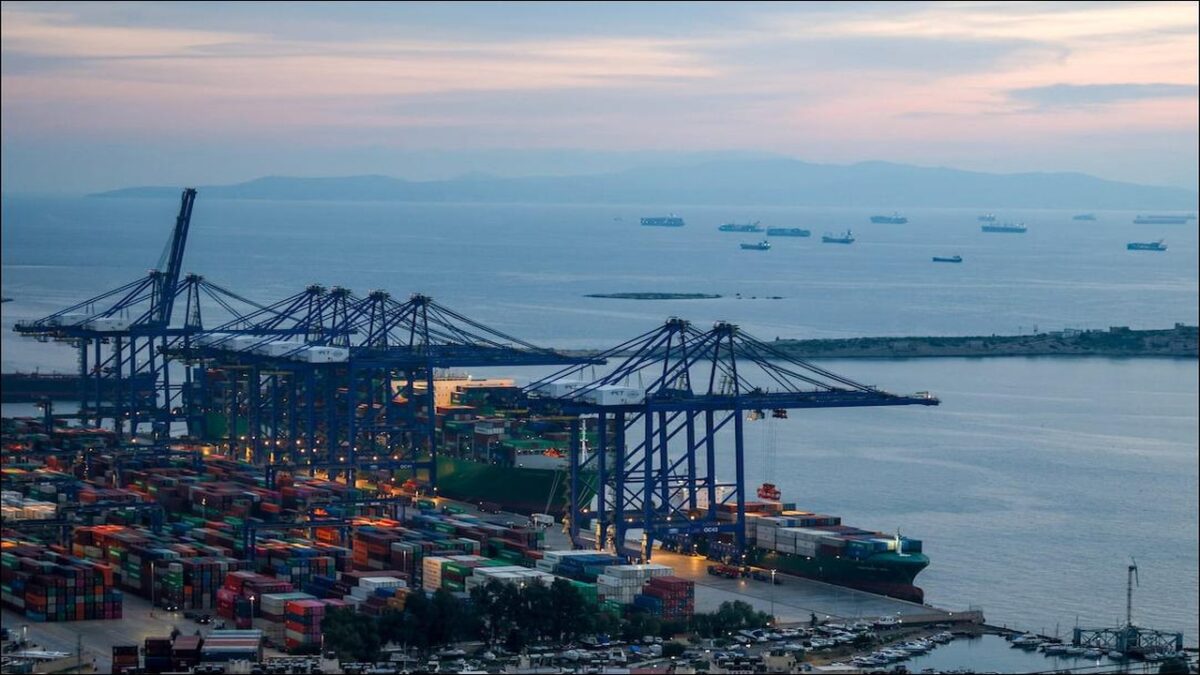
Ports are responding to these needs by investing heavily in new infrastructure and equipment. The Port of San Diego, for instance, a recognized specialty cargo gateway to the Pacific, exemplifies this commitment. They have acquired new, all-electric cranes that boast the heaviest lift capability of any port crane system, providing the necessary muscle to handle the massive components of renewable energy projects. Such investments are critical for positioning ports as indispensable links in the global clean energy supply chain, ensuring that the components for large-scale renewable energy installations can be efficiently and safely transported. This strategic adaptation is not just about moving goods; it’s about enabling the global energy transition by providing the logistical backbone for a decarbonized world. The expertise required for these operations extends beyond simple cargo movement, encompassing project management, engineering, and intricate coordination across multiple stakeholders to ensure seamless delivery of vital renewable energy infrastructure.
Port of San Diego: A Case Study in Green Transition
The Port of San Diego stands out as a prime example of a port actively embracing the green energy transition. Leveraging its significant space, operational flexibility, and specialized expertise in handling unique and oversized cargo that doesn’t fit standard containers, San Diego has become a critical hub for non-fossil fuel energy products. Their diversified cargo portfolio now routinely includes essential components for renewable energy projects across the U.S. Southwest. This encompasses everything from large transformers vital for electrical grids, to vast quantities of solar panels destined for utility-scale farms, and the impressive multi-part structures of wind towers, blades, hubs, and nacelles. Moreover, the port is adept at managing complex logistics for batteries and battery shells, as well as cutting-edge electrolyzers used in hydrogen production, showcasing its versatility and forward-thinking approach.
Michael LaFleur, the port’s Chief Operations Officer, highlights their role: “Through our cargo operations we’ve supported various electrification projects throughout the U.S. Southwest such as solar and wind power.” This demonstrates the port’s direct contribution to regional sustainability initiatives. A notable collaboration involves LG Energy Solution, a global leader in battery manufacturing. The Port of San Diego is instrumental in handling lithium batteries for LG’s advanced manufacturing complex in Queen Creek, Arizona, underscoring its pivotal role in the electric vehicle and energy storage sectors. Beyond direct cargo handling, the port is also innovating internally; while maintaining essential services, they’ve strategically allocated a section of their Tenth Avenue Marine Terminal for the Jankovich Company’s petroleum operations, illustrating a careful balance between existing responsibilities and future-focused expansion into new, greener energy ventures. This strategic blend allows the port to continue serving diverse energy needs while vigorously pursuing its green agenda. The port’s proactive investments in cutting-edge, all-electric cranes not only boost its heavy lift capabilities but also significantly reduce its own operational carbon footprint, setting a benchmark for other ports striving for environmental stewardship and efficient, sustainable maritime operations.
Economic and Environmental Benefits of Green Port Initiatives
The shift towards sustainable maritime operations and port diversification into green energy cargo yields a multitude of benefits, both economic and environmental. Economically, this diversification opens up entirely new revenue streams for ports, reducing their reliance on volatile fossil fuel markets. Handling specialized renewable energy components often commands higher value, contributing to increased port throughput and financial stability. This evolving sector also acts as a powerful engine for local and regional economic development, creating numerous direct and indirect jobs across a range of skill sets—from specialized crane operators and logistics coordinators to engineers and technicians involved in assembly and maintenance. These are often high-skilled, well-paying positions that support robust economic growth. Furthermore, attracting green energy businesses and related manufacturing to port vicinities fosters a vibrant ecosystem of innovation and investment, enhancing the port’s competitive advantage and attracting further capital.
Environmentally, the benefits are equally profound. By facilitating the deployment of renewable energy projects, ports directly contribute to significant reductions in greenhouse gas emissions at a global scale. Locally, the transition away from fossil fuel handling, coupled with the adoption of cleaner port equipment like electric cranes and shore power connections, dramatically improves air quality in and around port communities. This mitigates the adverse health impacts traditionally associated with port operations, leading to healthier residents and ecosystems. Moreover, green port initiatives often involve broader environmental stewardship efforts, such as habitat restoration, water quality improvements, and waste reduction programs, all of which contribute to a healthier planet. Ports are becoming critical nodes in the fight against climate change, transforming from historical sources of emissions into vital enablers of a low-carbon future. The adoption of robust environmental management systems ensures that these benefits are maximized and sustained over the long term, cementing the port’s role as a leader in corporate social responsibility.
Challenges and Future Outlook for Sustainable Ports
While the path to becoming fully green energy ports is promising, it is not without its challenges. The initial capital investment required for infrastructure upgrades—such as new heavy-lift cranes, expanded laydown areas, specialized warehouses for sensitive components, and shore power facilities—can be substantial. This necessitates robust financial planning, often involving public-private partnerships, government grants, and innovative financing models. Policy and regulatory frameworks also need to evolve rapidly to support the new types of cargo and operations, ensuring smooth permitting, standardized safety protocols for novel materials like batteries, and incentives for green investments. Furthermore, workforce development is crucial; new skills are required to operate and maintain advanced equipment and to manage complex logistics for renewable energy projects, demanding significant investment in training and education programs.
Despite these hurdles, the future outlook for sustainable ports is exceptionally bright. As global demand for clean energy continues its inexorable rise, ports are poised to play an even more critical role as essential logistical gateways. The continued advancements in renewable energy technologies, such as larger and more efficient wind turbines, modular nuclear reactors, and scalable green hydrogen production, will further entrench ports as linchpins of the energy transition. Future ports will likely see increased automation, integration of smart technologies for optimized cargo flow, and potentially become energy producers themselves, generating their own renewable power or even acting as bunkering stations for alternative marine fuels like ammonia or hydrogen. The ongoing evolution of port diversification and renewable energy cargo handling signifies not just a change in operations but a fundamental redefinition of the maritime industry’s purpose. These hubs are becoming crucial catalysts for decarbonization, driving innovation, and building a more resilient, environmentally responsible, and economically vibrant global trade system for generations to come.
In conclusion, the transformation of energy ports into vibrant centers for green energy cargo marks a pivotal moment in global trade and environmental stewardship. This strategic shift, exemplified by leaders like the Port of San Diego, is not merely about adapting to new demands but actively shaping a sustainable future. By diversifying their cargo, investing in advanced infrastructure, and fostering crucial partnerships, these green energy ports are proving indispensable in the transition to a cleaner, more resilient global energy landscape. Their proactive approach ensures that the maritime sector remains a powerful engine for progress while steadfastly committing to a more sustainable world.