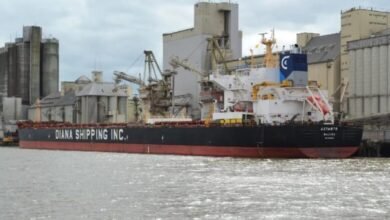
Diana Shipping Intensifies Genco Shares Takeover Battle | Mariner News
In a dramatic escalation that has sent ripples across the global maritime industry, Diana Shipping has significantly intensified its takeover battle for the remaining Genco shares. This bold move signals a potentially transformative moment for the dry bulk shipping sector, as one prominent player seeks to consolidate power and expand its fleet amidst a dynamic market landscape. The ongoing struggle between Diana Shipping and Genco Shipping & Trading Limited represents more than just a corporate acquisition; it’s a high-stakes strategic maneuver poised to redefine competitive dynamics and investor expectations within the vital dry bulk market.
The Intensifying Struggle for Genco Shipping
The dry bulk shipping industry, a cornerstone of global trade, is no stranger to periods of consolidation and strategic repositioning. However, the current Diana Shipping Genco takeover battle stands out for its increasing fervor and the implications it holds for shareholder value and market stability. Diana Shipping, a global provider of shipping transportation services, has clearly articulated its ambition to acquire Genco Shipping & Trading, a leading international dry bulk shipping company. This renewed push by Diana suggests that previous overtures may not have yielded the desired outcome, prompting a more aggressive and public campaign to win over Genco’s shareholders.
The initial attempts by Diana Shipping to secure Genco’s remaining shares likely faced resistance, leading to the current ‘ratcheting up’ of the battle. This typically involves sweetened offers, direct appeals to institutional investors, and potentially a proxy contest to replace Genco’s board members who are seen as impediments to the deal. Such tactics are common in hostile takeovers and underscore Diana’s determination to integrate Genco’s substantial fleet and operational capabilities into its own portfolio. The dry bulk sector, responsible for transporting commodities like iron ore, coal, and grain, is highly cyclical, and strategic acquisitions like this are often aimed at leveraging economies of scale, diversifying routes, and enhancing overall market resilience.
Diana Shipping’s Strategic Imperative and Revised Bids
Diana Shipping’s relentless pursuit of Genco shares is driven by a clear strategic imperative: to achieve significant fleet expansion and market share growth. Genco Shipping operates a large and modern fleet of dry bulk vessels, including Capesize, Panamax, Ultramax, and Supramax ships, which would complement Diana’s existing portfolio perfectly. Acquiring Genco would instantly elevate Diana’s position in the global dry bulk market, offering enhanced operational synergies, broader geographic reach, and improved freight rate negotiation power. This kind of maritime acquisition can lead to substantial cost savings through consolidated operations, reduced overheads, and optimized fleet management.
To ‘ratchet up’ the takeover battle, Diana Shipping has likely revised its offer to make it more attractive to Genco’s shareholders. This could involve increasing the per-share price, offering a more favorable mix of cash and stock, or including contingent value rights that provide additional payouts if certain financial milestones are met post-acquisition. Furthermore, Diana might be engaging in a more direct public relations campaign, highlighting the long-term benefits of the merger for Genco shareholders, such as increased liquidity, enhanced capital structure, and stronger positioning in a competitive dry bulk shipping environment. The goal is to create compelling arguments that sway shareholders away from Genco’s current management and towards accepting Diana’s vision for a combined entity.
Genco’s Defense Mechanisms and Shareholder Value Protection
On the other side of this high-stakes maritime acquisition stands Genco Shipping, whose board and management are likely employing various defense mechanisms to protect the company’s independence and, critically, existing shareholder value. Genco has consistently focused on maintaining a strong balance sheet, returning capital to shareholders, and strategically managing its fleet. They may argue that Diana’s current offer significantly undervalues Genco, failing to account for its intrinsic worth, future growth prospects, and the potential synergies that Diana itself recognizes.
Common defense strategies against a hostile takeover include issuing strong public statements condemning the offer as inadequate, implementing a ‘poison pill’ defense (where existing shareholders gain the right to purchase more shares at a discount if an acquirer surpasses a certain ownership threshold), or seeking a ‘white knight’ — another company willing to make a more favorable offer. Genco’s leadership will emphasize their standalone strategy, highlighting recent operational successes, debt reduction efforts, and dividend policies, to convince shareholders that remaining independent offers better long-term returns. The focus remains squarely on safeguarding the interests of its current investors and ensuring that any potential deal reflects the true value of their investment in a robust dry bulk shipping company.
Market Reaction and Industry Consolidation Trends
News of Diana Shipping ratcheting up its takeover battle for remaining Genco shares has undoubtedly generated significant interest and speculation within the broader shipping industry and financial markets. Investor sentiment plays a crucial role in such battles, influencing share prices of both companies and potentially affecting the valuations of other dry bulk shipping peers. A successful takeover could spark further consolidation in the sector, as other companies might seek to strengthen their positions through mergers and acquisitions to remain competitive against a larger, combined Diana-Genco entity. This trend towards consolidation is often driven by a desire to achieve greater operational efficiency, reduce market fragmentation, and gain better leverage in a volatile global trade environment.
Analysts and investors will be scrutinizing every move, assessing the financial implications, the strategic fit, and the potential for a bidding war. The outcome of this battle could signal a shift in the dry bulk shipping landscape, impacting future investment decisions, fleet renewal strategies, and overall capacity management. The M&A activity in the maritime sector has been dynamic, with companies looking to capitalize on market cycles, technological advancements, and evolving regulatory frameworks. This Diana Shipping Genco takeover battle is a prime example of such strategic maneuvering, reflecting the underlying pressures and opportunities within global shipping.
The Road Ahead: Regulatory Hurdles and Investor Decisions
As the Diana Shipping Genco takeover battle intensifies, several critical junctures lie ahead. Regulatory scrutiny, while perhaps less stringent in the shipping sector compared to others, could still play a role, particularly if the combined entity is perceived to gain an undue market dominance in specific vessel segments or trade routes. More immediately, the decision rests in the hands of Genco’s shareholders. Institutional investors, who often hold significant blocks of shares, will be swayed by detailed financial analyses, presentations from both sides, and recommendations from proxy advisory firms.
Diana Shipping’s aggressive approach suggests confidence in its ability to convince these key stakeholders that its offer represents superior value. Conversely, Genco’s board will need to present a compelling narrative that demonstrates its capacity to deliver greater returns as an independent entity. The possibility of a prolonged proxy fight, where both companies solicit shareholder votes, remains real. This struggle will test the resolve of both Diana and Genco, potentially leading to a negotiated settlement, a successful hostile takeover, or Diana’s eventual withdrawal. The dry bulk shipping market will closely watch as this corporate drama unfolds, with significant implications for future strategic growth and competition.
In conclusion, the escalating takeover battle for Genco Shipping shares by Diana Shipping represents a pivotal moment for both companies and the broader dry bulk shipping industry. It underscores the strategic importance of fleet expansion, market consolidation, and the relentless pursuit of shareholder value in a dynamic global trade environment. The outcome of this high-stakes contest will undoubtedly reshape the competitive landscape, influencing future investment strategies and setting a precedent for mergers and acquisitions within the vital maritime sector for years to come.