Foreship’s Energy-Efficient Ferry Design for Greece | Mariner News
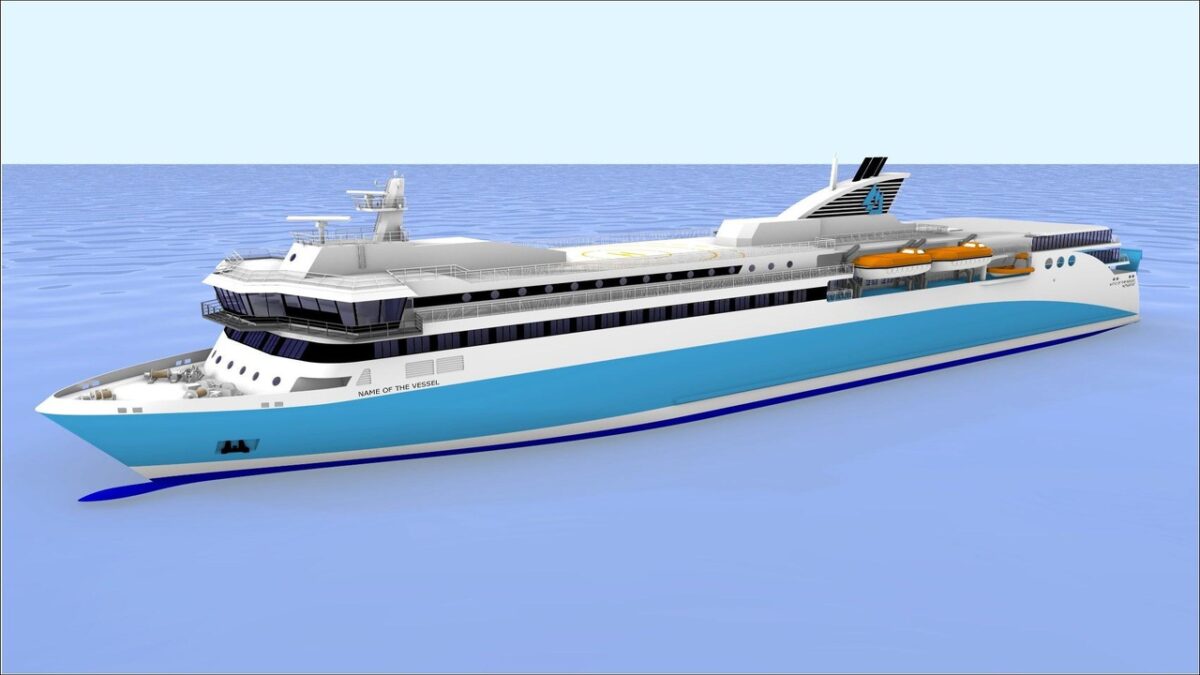
Foreship, a prominent naval architecture and marine engineering firm, has unveiled a groundbreaking energy-efficient ferry design specifically tailored for the Greek domestic market. This innovative concept, developed under the RINA umbrella, is set to revolutionize inter-island transportation by directly addressing critical operational and economic challenges faced by local ferry operators. With a strategic emphasis on enhanced efficiency, simplified design, and stringent cost control, Foreship’s new vessel concept arrives at a pivotal moment. It is poised to modernize one of Europe’s most extensive ferry networks, marking a significant stride towards sustainable maritime operations in the Mediterranean and offering a pragmatic solution for an ageing fleet amidst escalating environmental pressures.
Optimizing Greek Ferry Operations and Fleet Renewal
The Greek domestic ferry market presents a unique array of demanding conditions, creating significant hurdles for operators. Annually, this vital network connects over 200 inhabited islands, facilitating the transport of approximately 50 million passengers. Operators contend with pronounced seasonality, fluctuating demand, and a highly regulated pricing structure, placing immense pressure on profit margins. In this tightly controlled environment, stringent cost management becomes indispensable for long-term viability and sustained competitiveness within the Greek maritime sector.
Furthermore, a significant portion of Greece’s existing ferry fleet is ageing, leading to increased maintenance costs, reduced reliability, and notably higher fuel consumption. This exacerbates financial strain, making fleet renewal with modern, environmentally friendly alternatives an urgent operational and societal imperative. Foreship’s deep understanding of these intricate market dynamics has been instrumental in shaping a ferry concept that directly confronts these realities.
The design offers a pragmatic pathway forward, aiming to be robust, reliable, and inherently economical to build and operate. This supports both economic health and environmental integrity in the Aegean, marking a crucial evolution for Greek inter-island transport and a move towards greater sustainable shipping.
Foreship’s Eco-Efficient Design Principles & RINA Synergy
At the core of Foreship’s new Greek ferry concept is a profound commitment to optimizing both capital expenditure (CAPEX) and operating expenditure (OPEX). Ari Huttunen, Marine Design & Engineering Projects Principal Consultant, highlighted the design’s integration of essential functionalities while deliberately avoiding unnecessary complexity. This philosophy ensures a robust, resilient, and economically sustainable vessel, translating directly into lower construction costs, reduced maintenance, and simplified operational profiles for crews.
A pivotal element is the optimized operating profile, focusing on moderate speeds rather than traditional high speeds. This strategic decision delivers significant improvements in fuel efficiency, directly reducing overall operating economics and addressing volatile fuel prices. This shift reflects a global trend in maritime shipping towards prioritizing efficiency over sheer speed, recognizing the long-term economic and environmental benefits for sustainable maritime operations.
Foreship’s affiliation with RINA, a global leader in inspection and certification, further reinforces the credibility and depth of expertise. This partnership ensures the design is not only innovative but rigorously tested and compliant with the highest industry benchmarks, integrating advanced propulsion technologies and materials for a truly greener fleet and enhanced operational efficiency.
Future-Proofing Through Advanced Regulatory Compliance
The maritime industry continuously evolves with new safety and environmental regulations. Foreship’s new ferry concept has been meticulously conceived in full alignment with the latest regulatory developments, ensuring its compliance and future-proofing against upcoming changes. A key focus area has been updated stability requirements that are reshaping ferry design practices across Europe, significantly influencing vessel dimensions and capacities. Foreship integrated these stringent considerations from the earliest design stages, ensuring inherent compliance and mitigating the risk of costly retrofits.
This proactive approach guarantees the vessel’s safety and operational legality, providing Greek ferry operators with a solution ready for both current demands and future expectations, including aspects related to emergency procedures and structural integrity. Such meticulous planning is crucial for long-term shipping investments in the vital Greek inter-island network. It ensures the vessels will serve the Greek public reliably for many years, enhancing trust and fostering sustainable growth within the industry.
Moreover, the design also anticipates future environmental regulations, aiming for easy adaptability to alternative fuels or further emission reduction technologies as they become more viable. This foresight ensures the fleet remains at the forefront of environmental responsibility and positions operators favorably for upcoming changes. By adhering to the strictest standards from the initial blueprint, Foreship delivers an energy-efficient ferry design that is both compliant and economically viable for the long haul.
Driving Economic Savings and Environmental Stewardship
The introduction of Foreship’s energy-efficient ferry design promises substantial economic and environmental advantages for Greek operators. Economically, the significant reduction in fuel consumption—a direct result of optimized moderate speeds and an efficient hull design—will lead to considerable savings in operating costs. Fuel typically represents a major portion of a ferry’s operational budget, so these efficiency gains directly translate into improved profitability and financial stability for maritime companies. This is vital in a market with regulated pricing, where effective cost control is paramount.
Environmentally, these new vessels will significantly reduce the carbon footprint of Greek domestic shipping. Lower fuel consumption directly correlates to fewer greenhouse gas emissions and a cleaner operational profile, aligning perfectly with global efforts towards decarbonization and sustainable maritime practices. This commitment to environmental responsibility elevates the public image of operators and supports Greece’s broader sustainability objectives as a nation deeply reliant on its pristine marine environment for its vibrant tourism sector. The design also incorporates systems to minimize other forms of marine pollution, such as improved wastewater and waste management, further enhancing its environmental credentials.
Beyond fuel, the inherent simplicity and robust engineering of the design also minimize maintenance needs and vessel downtime, contributing to overall operational efficiency and maximizing service schedules during peak seasons. This holistic approach to efficiency—encompassing fuel economy, reduced maintenance, and increased availability—positions Foreship’s ferry concept as a strategic asset for any Greek maritime company seeking to modernize its fleet and secure a sustainable, prosperous future. The transition from older, less efficient vessels marks a decisive step towards a greener, more economical era for Greek inter-island transport.
Paving the Way for Greece’s Green Maritime Future
The unveiling of Foreship’s energy-efficient ferry design signals a transformative era for Greek domestic shipping. This innovative concept offers a viable pathway for operators to modernize ageing fleets, effectively addressing operational costs, environmental impact, and regulatory compliance. By strategically embracing moderate speeds for superior fuel efficiency and prioritizing simplicity, Foreship provides a clear blueprint for a more sustainable and economically robust inter-island network.
This pivotal shift will undeniably benefit operators through significantly reduced expenses and enhance the passenger experience with reliable, comfortable, and environmentally friendly travel options. A modernized, green fleet fortifies Greece’s tourism infrastructure, ensures seamless connectivity between islands and mainland ports, and aligns with global sustainability goals. This firmly positions the nation as a responsible maritime leader.
Foreship’s contribution represents a strategic, intelligent response to evolving maritime demands, crafting solutions that are smart, sustainable, and economically sound for Greece’s promising green maritime future. With this new generation of ferries, the Greek domestic market is exceptionally well-positioned to embark on a greener, more prosperous future, setting an inspiring example for other regional ferry networks worldwide.