Cadiz Bio-LNG Delivery: Peninsula Fuels Green Shipping | Mariner News
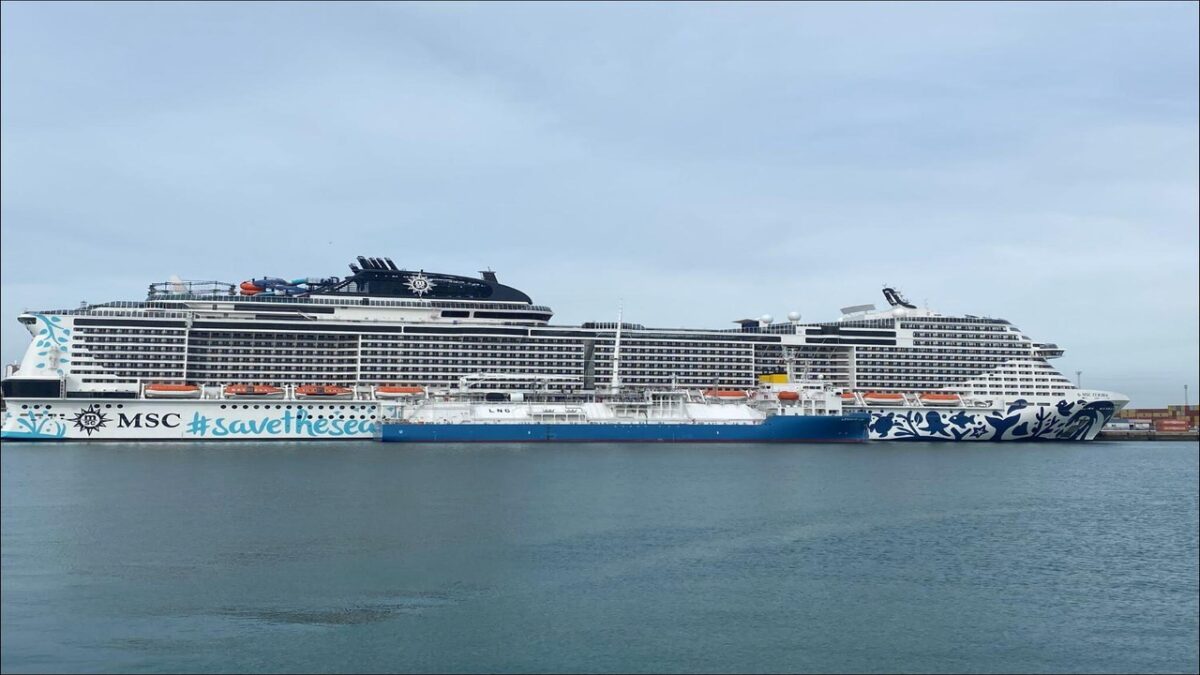
In a landmark achievement for the maritime industry’s journey towards decarbonization, global marine fuel supplier and trading firm Peninsula has successfully completed its first Bio-LNG delivery in Cadiz, Spain. This significant operation, carried out in close coordination with the Port of Cadiz and Royal Caribbean Group, marks a crucial step forward in providing sustainable marine fuel solutions. The delivery to Royal Caribbean’s Legend of the Seas underscores a growing industry commitment to adopting cleaner energy sources and meeting stringent environmental regulations, positioning Peninsula at the forefront of the green shipping revolution. This milestone not only highlights Peninsula’s operational prowess but also signals a tangible shift towards more environmentally responsible bunkering practices across its extensive global network.
The Transformative Role of Bio-LNG in Marine Decarbonization
The maritime sector is under immense pressure to reduce its environmental footprint, with international bodies pushing for significant cuts in greenhouse gas emissions. Bio-LNG, or biomethane liquefied natural gas, emerges as a potent solution in this critical transition. Derived from organic waste materials, Bio-LNG offers a near-zero carbon alternative to traditional fossil fuels, drastically reducing CO2, NOx, SOx, and particulate matter emissions. Its chemical composition is virtually identical to conventional LNG, allowing for seamless integration into existing LNG-powered vessels and bunkering infrastructure, thus providing a practical and immediate pathway for cleaner shipping.
The adoption of sustainable marine fuel like Bio-LNG is not merely an option but a strategic imperative for shipping companies aiming to comply with evolving environmental regulations and enhance their corporate social responsibility. By utilizing renewable energy sources, the industry can mitigate its impact on climate change, contributing to a healthier planet. This move by Peninsula to offer Bio-LNG bunkering directly supports shipping clients in their efforts to achieve ambitious sustainability targets, fostering a greener operational model that benefits both the environment and the long-term viability of maritime transport. The availability of such advanced alternative fuels is paramount for the global fleet’s transition.
As the demand for lower-emission fuels intensifies, Bio-LNG stands out due to its scalability and the potential for a circular economy approach. The production process converts waste into valuable energy, reducing landfill dependency and creating a sustainable fuel cycle. This makes Bio-LNG an attractive option for forward-thinking companies like Peninsula, which are dedicated to expanding their portfolio of cleaner energy solutions. This delivery in Cadiz serves as a powerful demonstration of the operational feasibility and environmental benefits of Bio-LNG, setting a precedent for wider industry adoption and accelerating the pace of maritime decarbonization efforts worldwide.
Peninsula’s Strategic Vision and Global Leadership in Alternative Fuels
Peninsula’s successful Bio-LNG delivery in Cadiz is a testament to its forward-thinking strategy and robust capabilities in the evolving marine fuel market. As a global marine fuel supplier and trading firm, Peninsula has consistently demonstrated a commitment to supporting its clients’ transition towards more sustainable operations. This latest accomplishment reinforces the company’s position as a pivotal player in the supply of alternative marine fuels, showcasing its ability to adapt and innovate in response to the industry’s pressing environmental challenges. The firm’s extensive global network and deep expertise are critical assets in deploying complex bunkering solutions for cutting-edge fuels like biomethane.
The company’s proactive approach involves not only identifying emerging fuel technologies but also investing in the logistical infrastructure and operational know-how required for safe and efficient delivery. Peninsula’s commitment extends beyond mere transaction; it encompasses fostering strong partnerships with port authorities and shipping lines to ensure smooth, compliant, and reliable services. This collaborative spirit was evident in the Cadiz operation, where coordinated efforts ensured a seamless Bio-LNG bunkering process. Such strategic alliances are fundamental to scaling up the availability and accessibility of greener fuels across key maritime hubs globally.
Peninsula’s leadership in the sustainable fuels segment is built on a foundation of reliability and a deep understanding of the maritime industry’s unique demands. By expanding its offerings to include Bio-LNG, Peninsula provides vital support to shipping companies striving to comply with stricter emissions regulations and reduce their carbon footprint. This initiative is part of a broader vision to contribute meaningfully to maritime decarbonization, offering practical, commercially viable pathways for fleets to transition to cleaner energy. The Cadiz delivery further solidifies Peninsula’s reputation as a trusted partner in the quest for a more sustainable shipping future, demonstrating consistent innovation in marine fuel supply.
Cadiz Port: A Crucial Gateway for Green Maritime Bunkering
The Port of Cadiz played an instrumental role in facilitating Peninsula’s pioneering Bio-LNG delivery, establishing itself as a key strategic hub for sustainable maritime bunkering in the Mediterranean and Atlantic regions. The port’s collaborative spirit and readiness to embrace innovative fuel solutions were crucial for the smooth execution of this complex operation. This successful delivery not only highlights Cadiz’s logistical capabilities but also underscores its commitment to supporting the maritime industry’s green transition, positioning it as an attractive destination for vessels seeking eco-friendly fuel options.
By actively participating in such groundbreaking operations, the Port of Cadiz demonstrates its dedication to fostering environmental stewardship within the shipping sector. The availability of Bio-LNG bunkering services at a strategically important port like Cadiz sends a clear signal to shipping lines about the growing network of ports capable of handling advanced alternative fuels. This infrastructure development is vital for increasing the adoption rates of cleaner energy solutions, as it provides confidence and accessibility for ship operators planning their routes and fuel procurements.
The successful collaboration between Peninsula, Royal Caribbean Group, and the Port of Cadiz serves as a powerful model for future green bunkering initiatives worldwide. It illustrates how strong partnerships among fuel suppliers, shipowners, and port authorities are essential for overcoming the logistical challenges associated with new fuel types. Cadiz’s forward-thinking approach is pivotal in shaping the future of maritime logistics, ensuring that vessels have reliable access to sustainable marine fuel, thereby accelerating the industry’s collective journey towards achieving significant emissions reductions and fostering a more sustainable global fleet.
Royal Caribbean’s Dedication to Sustainable Cruise Operations
Royal Caribbean Group, a global leader in the cruise industry, continues to demonstrate its unwavering commitment to environmental sustainability through strategic initiatives such as receiving Bio-LNG for its Legend of the Seas vessel. This specific bunkering in Cadiz underscores the company’s dedication to exploring and implementing cleaner energy solutions across its extensive fleet. By actively integrating sustainable marine fuel like Bio-LNG, Royal Caribbean is not only complying with stringent international environmental regulations but also setting a high standard for eco-friendly cruise operations, appealing to a growing segment of environmentally conscious travelers.
The decision to bunker with Bio-LNG aligns perfectly with Royal Caribbean’s broader sustainability goals, which encompass reducing its carbon footprint, conserving resources, and promoting responsible tourism. The Legend of the Seas receiving this advanced fuel signifies a tangible step in these efforts, showcasing how major cruise lines are investing in innovative technologies and fuels to mitigate their environmental impact. This move is crucial for the cruise sector, which faces unique challenges and opportunities in demonstrating its commitment to preserving the marine environment and coastal communities it visits.
Royal Caribbean’s proactive adoption of alternative fuels like biomethane also sends a strong message to the entire tourism and shipping industries. It highlights the viability and operational benefits of transitioning away from traditional fossil fuels. This commitment to sustainable practices extends beyond fuel choices, encompassing waste management, water conservation, and community engagement. By continuously seeking out and implementing greener solutions, Royal Caribbean is not only safeguarding marine ecosystems but also ensuring a more sustainable future for cruise travel, setting an admirable example for the global maritime sector seeking to reduce its emissions.
Charting the Course for a Greener Maritime Future
The successful Bio-LNG delivery in Cadiz by Peninsula marks a pivotal moment in the ongoing efforts to decarbonize the global maritime industry. This accomplishment not only highlights the operational readiness for alternative fuels but also underscores the growing momentum towards a sustainable shipping future. As the industry grapples with the complexities of transitioning to cleaner energy, such pioneering initiatives provide invaluable real-world experience and build confidence in the viability of green bunkering solutions on a broader scale. The collaboration seen in Cadiz serves as a blueprint for future endeavors, emphasizing the critical role of partnerships.
The trajectory towards a truly green maritime sector will undoubtedly involve continued innovation in fuel technologies, further development of bunkering infrastructure, and robust regulatory frameworks that encourage adoption. Bio-LNG, alongside other emerging alternative fuels like green methanol and ammonia, will play a crucial role in diversified fuel strategies. The insights gained from operations like Peninsula’s delivery to Royal Caribbean will be instrumental in refining best practices, addressing challenges, and accelerating the widespread availability of these sustainable options across major shipping lanes and port networks globally.
Ultimately, the future of shipping hinges on a collective commitment from all stakeholders—fuel suppliers, shipowners, port authorities, and policymakers—to invest in, develop, and utilize sustainable marine fuel. Peninsula’s Bio-LNG delivery is more than just a transaction; it’s a powerful symbol of progress, demonstrating that cleaner, more environmentally responsible shipping is not only aspirational but increasingly achievable. This commitment to innovation and sustainability will define the industry for decades to come, ensuring a healthier planet and a resilient maritime economy. The drive for emissions reduction is gaining unstoppable momentum, making such milestones crucial for a cleaner world.