Malaysian Authority Detains Tugboat for Undocumented Diesel | Mariner News
The tranquil waters off Malaysia’s coast recently became the scene of a significant maritime enforcement action when the Malaysian Maritime Enforcement Agency (MMEA) successfully carried out an operation resulting in the Malaysian Authority Detains Tugboat for Undocumented Diesel incident. This recent event, which saw the seizure of approximately 10,000 litres of suspected controlled goods – specifically, marine diesel – highlights the continuous battle against illicit activities within the region’s shipping lanes. Such operations are not merely about seizing illegal cargo; they underscore the critical importance of upholding maritime laws, ensuring the safety of sea operations, and combating the broader issue of fuel smuggling that often funds larger criminal networks. This particular apprehension serves as a stern reminder to all vessel operators and shipping companies about the stringent regulations governing fuel transport and storage in Malaysian territorial waters and beyond.
Details of the Maritime Enforcement Operation
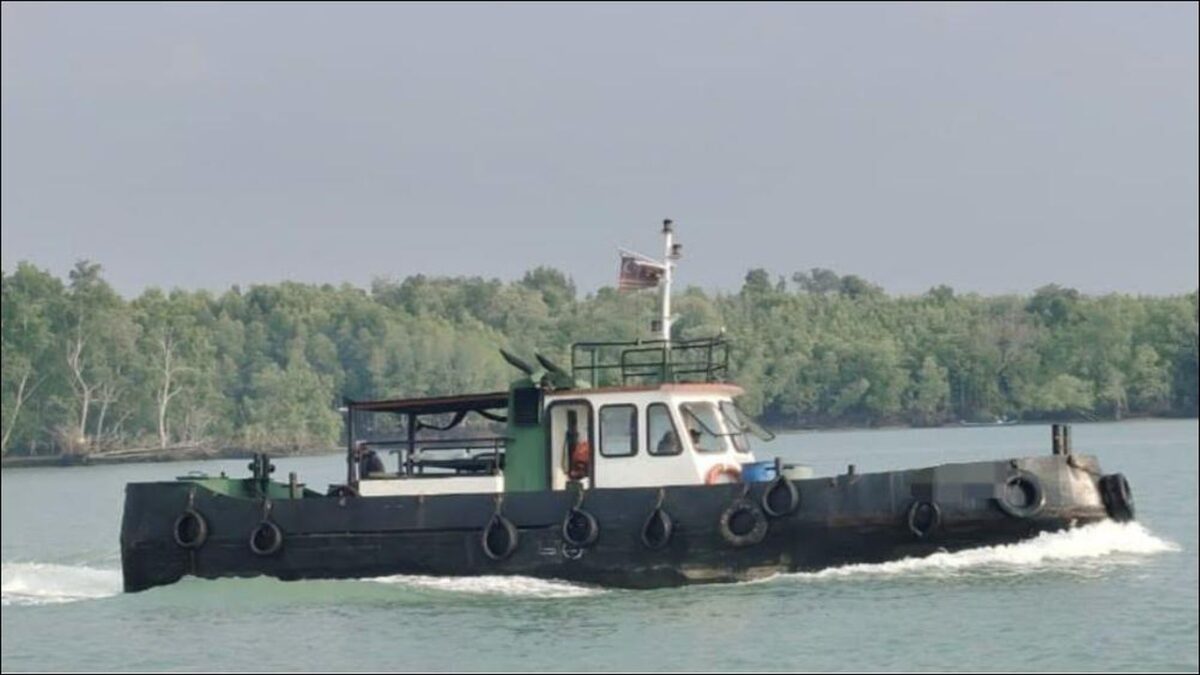
The apprehension transpired on July 10 near the Sungai Langat estuary, a strategic waterway in Selangor, during what the MMEA described as a routine enforcement patrol. These patrols are a crucial component of Malaysia’s efforts to maintain maritime security, prevent smuggling, and ensure compliance with various shipping protocols. The vessel in question, a tugboat, was intercepted by MMEA officers who were conducting their surveillance and inspection duties. The initial stop was part of a standard procedure, but what unfolded during the subsequent inspection revealed a serious breach of regulations, leading to the detention of the vessel and its crew.
Upon boarding the tugboat, maritime enforcement officers discovered the substantial quantity of diesel fuel. This discovery immediately raised flags, as the transportation of such a volume of fuel, especially a controlled good like diesel, requires specific permits and documentation from relevant governmental agencies. The absence of these crucial papers transformed a routine inspection into a significant enforcement case, shedding light on the complexities and challenges faced by authorities in policing vast maritime territories. The MMEA’s swift and decisive action in this instance exemplifies their commitment to deterring and disrupting illegal activities at sea, thereby safeguarding national interests and ensuring fair play in the maritime economy.
Unpacking the Allegations: Permits, Personnel, and Insurance
The investigation into the detained tugboat quickly uncovered a series of alleged violations that extended beyond just the undocumented diesel. Authorities found that the vessel was under the command of a 44-year-old master, accompanied by a 23-year-old crew member, both identified as Indonesian nationals. A fundamental requirement for anyone operating within Malaysian waters is the possession of valid identification documents and work permits. Disturbingly, both individuals reportedly failed to produce these essential credentials, adding another layer of irregularity to their operations and raising questions about their legal status in the country. This lack of proper documentation for the crew further complicates the case, pointing towards potential broader issues of illegal employment or undocumented migration in the maritime sector.
Furthermore, officials reported finding RM5,000 (approximately $1,180 USD) in cash on board the vessel. While carrying cash is not inherently illegal, its presence in conjunction with other alleged offenses, particularly the inability of the master to provide authorisation for the diesel transport, often prompts further scrutiny. The most critical issue, however, remained the absence of documentation authorising the transport of the 10,000 litres of diesel. This directly contravenes regulations designed to monitor and control the movement of fuel, preventing its diversion into illicit markets or use in unapproved activities. Compounding these issues, the tugboat was also found to be non-compliant with mandatory maritime insurance requirements, a severe lapse that exposes both the vessel owner and potential third parties to considerable risk in the event of an accident or environmental incident. These multiple infractions paint a picture of deliberate disregard for established maritime laws and operational safety standards, reinforcing the need for continuous vigilance by enforcement bodies.
Broader Implications for Maritime Compliance and Regional Security
The Malaysian Authority Detains Tugboat for Undocumented Diesel incident carries significant implications that extend far beyond the immediate seizure. Such occurrences highlight the persistent challenges faced by maritime agencies in ensuring full compliance with international and national shipping regulations. Illegal fuel transport, often referred to as fuel smuggling, is a lucrative venture that not only deprives governments of tax revenues but also poses substantial security risks. Undocumented vessels operating outside legal frameworks can be exploited for a range of nefarious activities, including drug trafficking, human smuggling, and even providing logistical support to terrorist groups. The lack of proper identification for crew members further complicates security efforts, as it creates a loophole for individuals to operate unnoticed.
Moreover, the absence of valid maritime insurance, as found in this case, creates an environmental hazard. In the event of an oil spill or collision involving an uninsured vessel carrying fuel, the financial burden of cleanup and compensation would fall heavily on the government or be left unaddressed, causing severe ecological damage. The maritime industry, particularly in Southeast Asia, is a bustling hub for international trade, making it a prime target for those looking to exploit regulatory weaknesses. Therefore, robust enforcement and stringent adherence to compliance standards are not just bureaucratic hurdles; they are fundamental pillars for maintaining a safe, secure, and environmentally responsible maritime environment for all legitimate stakeholders, fostering economic stability and protecting vital marine ecosystems.
The Fight Against Illegal Fuel Transport in Southeast Asia
Southeast Asia, with its strategic waterways and numerous archipelagic nations, has long been a hotspot for maritime fuel smuggling. The MMEA’s successful detention is but one battle in an ongoing war against sophisticated networks involved in this illicit trade. These operations often involve complex logistics, including diversion of commercial fuel, siphoning from larger vessels, and elaborate clandestine bunkering operations. The motivations are simple: high profits derived from avoiding taxes, customs duties, and often selling lower-grade or stolen fuel at competitive prices to unsuspecting buyers or those complicit in the illegal trade. This economic incentive fuels a persistent challenge for enforcement agencies across the region, including the Philippine Coast Guard, Indonesian Navy, and Singapore’s Maritime and Port Authority.
Regional cooperation among maritime law enforcement bodies is paramount in addressing this transnational crime. Information sharing, joint patrols, and coordinated intelligence efforts are crucial for dismantling these networks effectively. The incident involving the undocumented diesel tugboat serves as a stark reminder of the financial allure of fuel smuggling and the need for a multi-pronged approach that combines advanced surveillance technology, intelligence-led operations, and enhanced legal frameworks to prosecute offenders. Efforts to curb illegal fuel transport contribute significantly to regional stability, ensuring that legitimate shipping and trade can flourish without the disruptive and dangerous influence of criminal elements, thus protecting the integrity of the supply chain and national economies.
Consequences and Future Enforcement Efforts
Following the detention, the tugboat and its seized cargo of marine gas oil were taken to a secure location for further investigation. The master and crew member face potential charges under various Malaysian maritime and immigration laws. The penalties for such offenses can be severe, including substantial fines, imprisonment, and the forfeiture of the vessel and its contents. These legal ramifications serve as a deterrent, but consistent and visible enforcement is key to creating an environment where the risks outweigh the potential rewards for engaging in illegal activities.
Moving forward, the MMEA and other regional maritime authorities are expected to intensify their efforts to combat fuel smuggling and other forms of maritime crime. This will likely involve increased patrol frequencies, the deployment of more advanced surveillance systems, and a continued focus on intelligence gathering to target high-risk areas and operators. The emphasis will remain on ensuring that all vessels operating within their jurisdictions adhere strictly to maritime regulations, possess all necessary permits for their cargo and crew, and maintain proper insurance. This proactive stance aims not only to apprehend offenders but also to educate the maritime community on the importance of compliance, fostering a culture of legality and safety on the high seas. The resolution of this specific case will undoubtedly send a clear message about Malaysia’s unwavering commitment to upholding the rule of law in its waters and protecting its economic and environmental interests, reinforcing the trust and confidence of legitimate maritime businesses in the region.