Shanghai Rises to Second in Global Shipping Index | Mariner News
Shanghai has officially cemented its status as a paramount global maritime centre, climbing to second place in the highly respected Xinhua-Baltic International Shipping Centre Index. This significant shift in shipping hub rankings underscores Shanghai’s robust growth and strategic importance in the global supply chain. While Shanghai celebrates this milestone, Singapore once again retains its coveted top spot as the world’s leading shipping hub for the thirteenth consecutive year, demonstrating its enduring strategic advantage and comprehensive maritime services. Published annually by the Baltic Exchange and Xinhua News Agency, this crucial index provides invaluable insights into the performance and evolution of the world’s most vital maritime centres, evaluating factors from port infrastructure to professional business services. This report offers essential context for understanding international shipping’s competitive landscape.
Understanding the Xinhua-Baltic International Shipping Centre Index (ISCDI)
The Xinhua-Baltic International Shipping Centre Development Index (ISCDI) serves as a definitive global benchmark, assessing the health and competitiveness of leading shipping centres worldwide. Now in its thirteenth edition, this annual report offers a comprehensive, data-driven evaluation indispensable for industry stakeholders, policymakers, and investors. The ISCDI’s robust methodology relies on three core pillars: port factors, professional business services, and the broader general environment.
Port factors encompass the efficiency and capacity of a city’s port infrastructure, including container throughput, cargo handling, and connectivity to international shipping routes. These elements are fundamental to facilitating global trade and managing colossal cargo volumes. A port’s ability to efficiently process vessels and goods directly influences the speed and cost-effectiveness of the global supply chain.
Beyond physical infrastructure, the index meticulously evaluates the quality and scope of professional business services available. This includes essential maritime finance, insurance, legal expertise, and shipbroking services crucial for supporting complex international operations. A thriving ecosystem of specialized services, coupled with a skilled workforce, attracts and sustains maritime businesses. Lastly, the general environment pillar assesses broader aspects like economic stability, ease of doing business, technological innovation, and sustainable development, providing a holistic view of each centre’s appeal and future growth potential in the global shipping industry.
Shanghai’s Ascendancy: A Global Maritime Powerhouse
Shanghai’s remarkable ascent to second place in the 2026 Xinhua-Baltic International Shipping Centre Index, with a strong score of 84.27, signifies its growing influence as a key global maritime centre. This achievement marks a pivotal moment, as Shanghai has officially surpassed London (81.80) in the shipping hub rankings, illustrating a significant power shift within the global maritime landscape. This rise is not sudden; Shanghai has consistently climbed from its seventh-place ranking since the ISCDI’s inception in 2014, reflecting sustained strategic efforts to enhance its maritime capabilities.
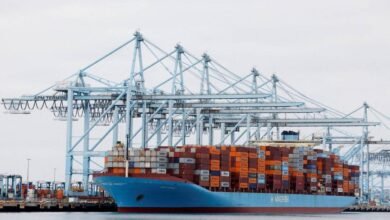
A primary driver of Shanghai’s formidable progress is its preeminent position in containerized trade. Shanghai Port consistently ranks among the world’s busiest container ports, characterized by immense handling capacity, state-of-the-art infrastructure, and advanced logistical efficiency. These robust port operations and seamless connectivity are instrumental in solidifying its reputation as a critical node in the global supply chain, significantly contributing to its high standing in the International Shipping Centre Index.
Furthermore, Shanghai has made substantial investments in developing a comprehensive ecosystem of ancillary maritime services. The city is rapidly expanding its offerings in maritime finance, insurance, and legal support, attracting international businesses and talent. Its commitment to embracing technological innovation, including smart port initiatives and greener shipping solutions, positions Shanghai for continued growth and heightened influence within the competitive global shipping industry.
Singapore’s Unrivaled Position as the Premier Shipping Hub
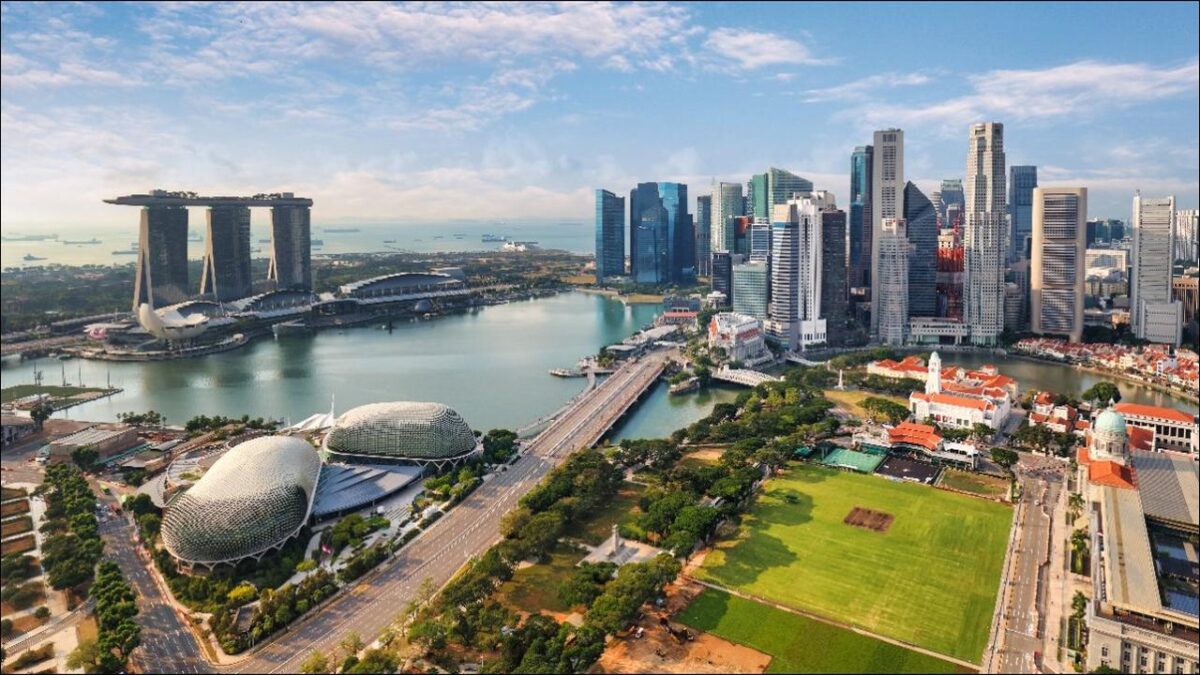
Singapore continues to assert its unparalleled dominance as the world’s leading international shipping centre, retaining the top spot for an impressive thirteenth consecutive year in the Xinhua-Baltic International Shipping Centre Index. Achieving an outstanding score of 99.32, Singapore’s consistent leadership results from its unbeatable strategic location, comprehensive maritime services, and proactive dedication to innovation. Situated at the nexus of major global shipping lanes, Singapore serves as an indispensable transit point and critical gateway for global trade.
The city-state’s world-class maritime services form the bedrock of its premier ranking. Singapore offers extensive expertise across maritime finance, insurance, and legal services, providing a robust, integrated support system for the global shipping industry. Its highly regarded legal framework, coupled with continuous investment in a skilled workforce, ensures a steady supply of professionals adept at navigating complex shipping operations. This holistic ecosystem allows shipping companies to operate with unmatched efficiency and support.
Moreover, Singapore actively spearheads efforts in alternative fuel development and technological advancement within the maritime sector. The nation is a global leader in championing decarbonization initiatives, investing significantly in research and pilot projects for sustainable marine fuels and advanced digital solutions for port operations. This forward-looking strategy not only addresses pressing environmental challenges but also firmly positions Singapore at the forefront of shaping the future of sustainable shipping. Its commitment to innovation ensures continued relevance and leadership within the International Shipping Centre Index, setting a global benchmark for maritime excellence.
Stability Among Global Maritime Elites
The latest Xinhua-Baltic International Shipping Centre Index also underscores the enduring strength and stability of other prominent global maritime centres, even amidst shifts at the top. London, despite being surpassed by Shanghai, maintains a formidable third place with a strong score of 81.80. Its rich maritime heritage, deeply entrenched financial services, and extensive professional expertise continue to make it a vital hub for shipping finance, insurance, and specialized legal services, particularly within the European market. London’s established networks and regulatory environment remain a significant draw for the international shipping industry.
Closely following London are Hong Kong and Dubai, securing fourth and fifth positions with scores of 80.87 and 77.13, respectively. Notably, these three shipping centres have consistently featured within the top five alongside Singapore and Shanghai for nine consecutive years. This remarkable consistency highlights their foundational importance to global trade and their proven ability to adapt to evolving market demands. Hong Kong benefits from its strategic geographical proximity to mainland China and a mature, comprehensive maritime business environment.
Dubai continues to expand its influence as a crucial maritime hub in the Middle East, leveraging its state-of-the-art port infrastructure, advantageous free zones, and proactive government policies. Its strategic location connecting key global markets, coupled with substantial investments in logistics and smart port technologies, solidifies its role as a regional powerhouse with increasing global reach. The sustained presence of these cities among the elite reinforces the combined strength of their port infrastructure, professional maritime services, and supportive economic frameworks.
Conclusion: A Dynamic Future for Global Shipping Hubs
The 2026 Xinhua-Baltic International Shipping Centre Index paints a vivid picture of a dynamic yet stable global maritime landscape. Singapore’s unwavering hold on the top spot reaffirms its strategic brilliance and comprehensive maritime ecosystem, while Shanghai’s impressive climb to second place firmly establishes its ascendancy as a paramount global maritime centre, particularly in containerized trade. This significant shift underscores the increasing influence of Asian shipping hubs in shaping the future of the global supply chain, reflecting a broader trend in global economic power.
The consistent presence of London, Hong Kong, and Dubai within the top five further illustrates the enduring significance of these established maritime powerhouses. Each shipping centre contributes uniquely to the complex global trade network, offering distinct advantages in terms of geographical location, professional services, and infrastructural capabilities. The annual insights from the International Shipping Centre Index are invaluable for tracking these evolutions, providing essential data for businesses and governments to navigate the complexities of global commerce.
As the shipping industry confronts challenges like decarbonization, digitalization, and geopolitical shifts, the capacity of these leading shipping hubs to innovate and adapt will be paramount. Their ongoing development in areas such as alternative fuels, smart port technologies, and enhanced logistical efficiency will not only dictate their future rankings but also significantly bolster the resilience and sustainability of the entire global maritime network. The dynamic interplay and healthy competition among these top shipping hubs promise a vibrant future for the global shipping landscape, fostering continuous evolution and groundbreaking innovation in maritime services.