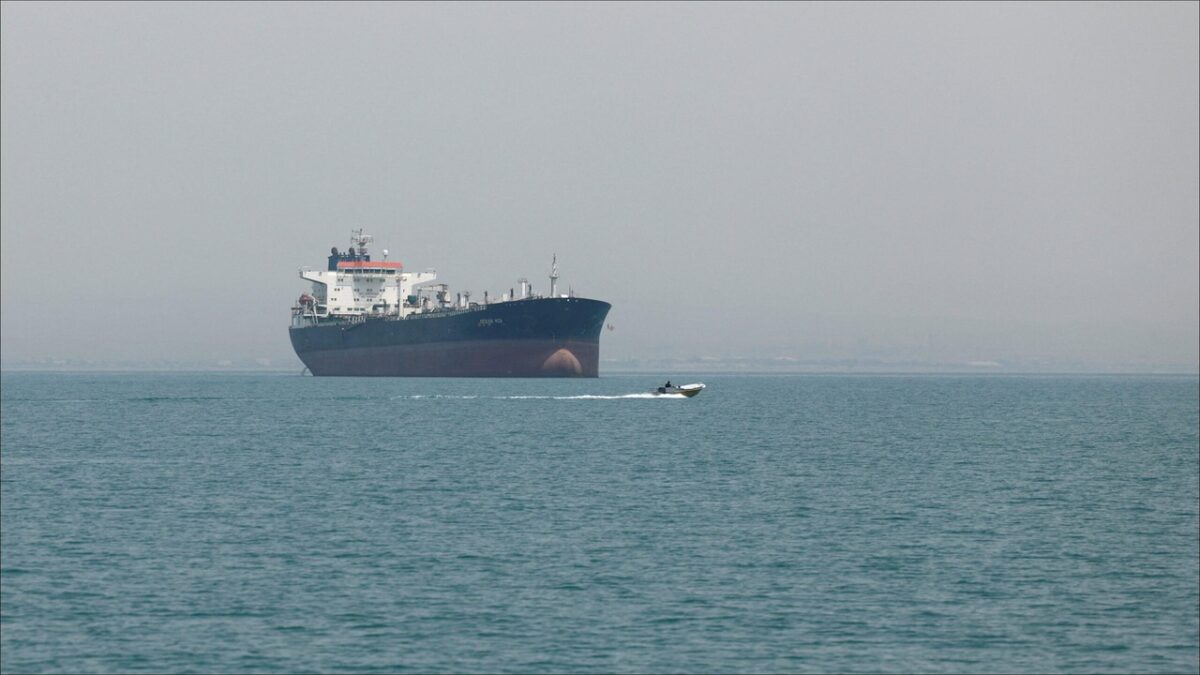
Strait of Hormuz War Risk Insurance Climbs for Shipowners | Mariner News
The global maritime industry faces significant disruption as Hormuz war-risk cover climbs, prompting a visible retreat of shipowners from the Strait of Hormuz. London marine insurers report declining inquiries for voyages through this critical chokepoint, coupled with sharply increasing insurance costs. This growing caution among shipping companies stems directly from escalating tensions between the US and Iran, creating an environment of heightened risk for vessels and their operators. The strait, vital for global energy supplies, now presents a perilous equation between commercial necessity and escalating threats, impacting international trade, supply chains, and overall maritime security.
Escalating Tensions and Maritime Operational Shifts
The recent breakdown of a ceasefire in the Middle East has profoundly heightened geopolitical instability, directly increasing maritime risk in the Strait of Hormuz. Following renewed US-Iran exchanges, marine war insurance brokers and underwriters confirm a sharp decline in requests for quotes. This anecdotal evidence swiftly signals an industry re-evaluating its risk exposure.
Immediate observations showed shipping traffic through Hormuz nearly halted on some days, with few observable journeys. Several shipowners who had recently transited the waterway expressed reconsideration, with one firm canceling a planned return. This self-imposed reduction underscores the direct operational impact of perceived threats on shipping routes.
Further complicating the situation, more vessels are navigating the Strait of Hormuz with their transponders turned off. This practice, initiated even before the interim peace deal unraveled, adds opacity to maritime activities. While intended for security, it obscures real-time traffic, making monitoring and emergency response more challenging for both insurers and naval forces in an already volatile zone.
The Economic Strain: Rising War Risk Premiums
The most immediate and tangible effect of heightened geopolitical risks in the Strait of Hormuz is the dramatic surge in war-risk insurance premiums. Underwriters are adjusting pricing models to reflect the increased probability of incidents like attacks or seizures, imposing a substantial financial burden on shipowners. The cost for a single transit now significantly impacts operational budgets, making voyages economically precarious.
Marine insurers are balancing essential coverage provision with managing their own risk exposure in this unpredictable region. This often leads to higher premiums, stricter terms, or even reluctance to offer cover for certain vessel types or cargoes. The financial sector supporting global shipping thus directly mirrors the regional volatility, passing on increased costs to maintain its own stability.
Ultimately, these escalating surcharges affect global commodity prices. Tanker operators, crucial for transporting crude oil and LNG through Hormuz, are particularly vulnerable. Increased insurance expenses are frequently factored into freight rates, influencing the market prices of energy resources. This means consumers worldwide may indirectly absorb these costs through higher fuel bills, illustrating the interconnectedness of maritime security and global economic stability.
Shipowner Caution and Route Rethinking
Rising costs and amplified risks compel shipowners to extreme caution, leading to a palpable pullback from the Strait of Hormuz. This strategic retreat prioritizes asset and personnel protection over traditional routing efficiency. Many operators now intensely scrutinize the economic viability of Hormuz transits, often delaying, diverting, or canceling planned voyages.
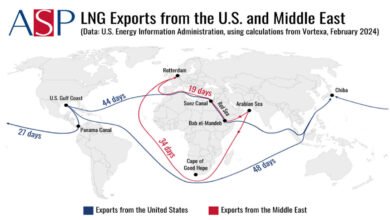
The dilemma for shipping companies is stark: Hormuz offers the most direct and efficient route for global oil and gas trade. Yet, the risk of military incident or attack has become unacceptably high for many. This forces a trade-off between the costs of longer alternative routes—increased fuel, extended times, higher wages—and the skyrocketing insurance premiums and unpredictable threats within the strait.
The widespread practice of turning off Automatic Identification System (AIS) transponders further highlights shipowners’ desperate measures. While reducing a vessel’s visibility to potential adversaries, it severely complicates maritime traffic monitoring, regulatory compliance, and emergency response. This ‘dark shipping’ phenomenon blurs accountability and hinders international efforts to ensure regional safety, reflecting the deep distrust permeating operations.
Broader Implications for Global Trade
The escalating tensions and rising Hormuz war-risk cover carry significant implications for global trade and supply chain stability. As the world’s most critical transit point for crude oil and LNG, channeling approximately one-fifth of global petroleum consumption, any disruption in Hormuz immediately sends shockwaves through energy markets, affecting prices worldwide. The current environment of caution creates inherent market instability.
Beyond energy, the ripple effect extends to broader commodity markets and manufacturing. A prolonged disruption could delay other goods and materials, impacting diverse industries reliant on just-in-time supply chains. Companies with manufacturing hubs in Asia or the Middle East face potential costly delays and increased logistical expenses, revealing the fragility of modern logistics networks.
Shipowners’ reluctance and rising insurance costs introduce unpredictability, undermining stable international trade. Businesses depend on consistent schedules and predictable costs. When a major maritime route becomes high-risk, companies must absorb higher costs, seek less efficient alternatives, or face supply shortages. This uncertainty can dampen investment and trigger inflationary pressures, showcasing how geopolitical events intricately weave into global commerce.
Charting a Course Through Maritime Uncertainty
Addressing the sustained instability in the Strait of Hormuz demands robust security strategies and swift diplomatic action. While shipowners can enhance onboard security, these tactical adjustments offer limited risk mitigation. The fundamental solution lies in de-escalation of regional tensions and a collective commitment to ensuring freedom of navigation. Without a durable diplomatic framework, the shipping sector faces perpetual uncertainty.
International naval forces play a critical role in safeguarding commerce. Increased presence and coordinated patrols deter hostile actions, reassuring shipowners and insurers. However, such deployments also risk escalation if not managed diplomatically. A multi-pronged approach, combining assertive security with persistent diplomatic engagement, is vital to restoring confidence and stability in the Strait of Hormuz.
The long-term outlook for shipping in volatile regions remains complex. The spike in Hormuz war-risk cover underscores maritime security’s link to international relations. While technological solutions like AI-driven risk assessment can help, they cannot replace political stability. The industry’s resilience will be tested, requiring adaptability, innovative risk management, and global efforts to uphold safe passage for maritime trade.
The increasing costs of Hormuz war-risk cover and the subsequent withdrawal of shipowners signify a critical challenge for global maritime security and trade confidence. The Strait of Hormuz, an indispensable artery for international commerce, particularly energy, remains at the epicenter of escalating geopolitical friction. As long as tensions persist, the operational costs and risks in this vital region will continue to rise, forcing difficult decisions upon shipowners. The far-reaching implications, from increased freight rates to potential energy market volatility, underscore the urgent need for diplomatic resolutions and robust international cooperation to restore stability and ensure the unimpeded flow of goods through this crucial waterway.