US Strikes Iran: Oil Sanctions & Shipping Attacks | Mariner News
In a significant escalation of geopolitical tensions, the United States has initiated a new wave of military strikes against Iran, simultaneously reinstating stringent oil sanctions. This decisive action follows a series of recent shipping attacks in the vital Strait of Hormuz, which saw multiple commercial vessels, including oil tankers, targeted by projectiles. The move marks a critical juncture in the already fraught relationship between Washington and Tehran, raising immediate concerns across global energy markets and international maritime security circles.
The U.S. Central Command (CENTCOM) confirmed the completion of extensive strikes, targeting what it described as over 80 sites and more than 60 small boats belonging to the Islamic Revolutionary Guard Corps (IRGC). The objective, as stated by CENTCOM, is to impose “heavy costs” and degrade Iran’s capacity to disrupt commercial shipping and threaten freedom of navigation. This aggressive posture underscores a renewed commitment to safeguarding critical sea lanes and deterring further Iranian aggression, particularly after a day of national mourning in Iran for its slain Supreme Leader Ayatollah Ali Khamenei.
Escalating Tensions and the Strait of Hormuz Attacks
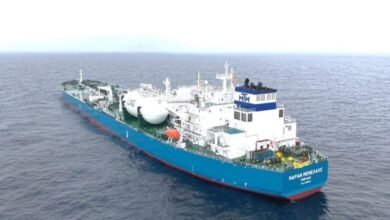
The recent spate of attacks on commercial shipping in the Strait of Hormuz has ignited this latest round of hostilities. Reports confirm that at least three tankers were struck by projectiles, an act that the U.S. swiftly attributed to Iran. These incidents are not isolated; they represent a dangerous pattern of provocation in one of the world’s most crucial maritime chokepoints. The Strait of Hormuz, a narrow waterway connecting the Persian Gulf to the open ocean, is indispensable for global oil trade, with approximately 20% of the world’s petroleum passing through it daily. Any disruption here has immediate and far-reaching consequences for energy security and international commerce.
The attacks on these vessels sent shockwaves through the maritime industry, leading to heightened insurance premiums for ships operating in the region and prompting calls for enhanced maritime security measures. The vulnerability of oil tankers and other commercial vessels traversing these waters has been starkly exposed, raising concerns about the safety of crews and the continuity of supply chains. The international community watches closely, acknowledging the delicate balance required to maintain stability in a region vital to the global economy.
US Retaliation and Renewed Economic Pressure
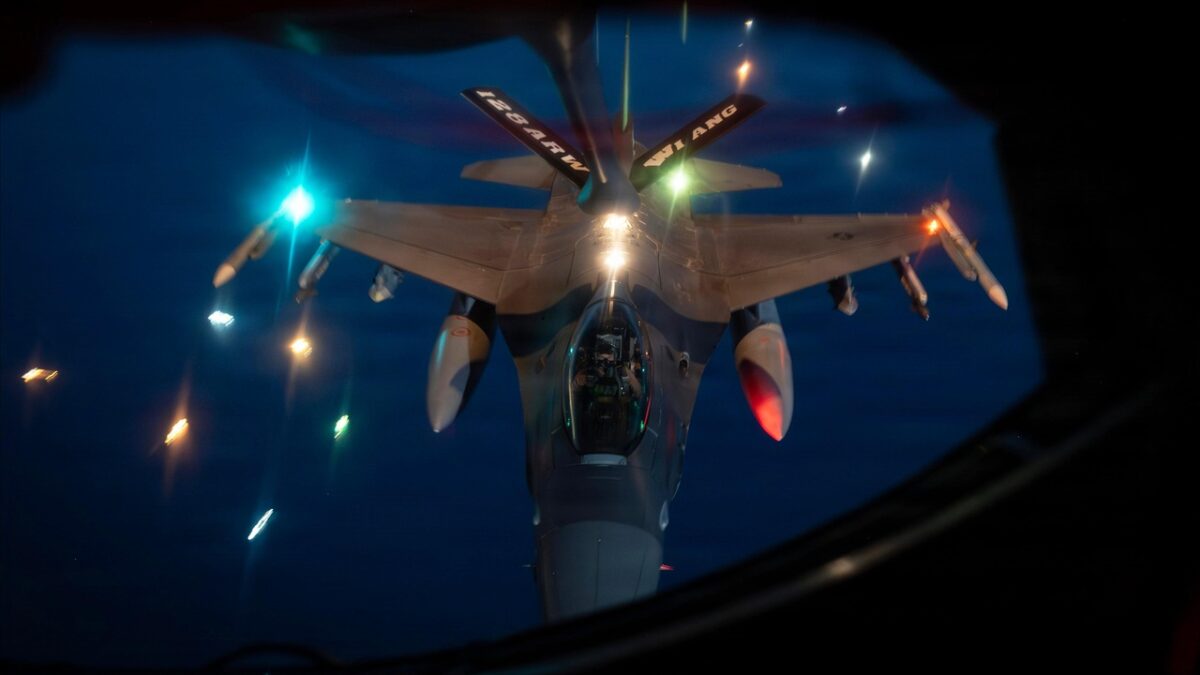
In response to what it termed “unwarranted aggression,” the U.S. military unleashed its might, targeting strategic IRGC assets designed to interfere with commercial shipping. The scale of the strikes, hitting dozens of targets, signals a clear intent to send a strong message to Tehran regarding the consequences of its actions. CENTCOM’s statement emphasized that these operations aimed to degrade Iran’s ability to attack commercial vessels and violate international maritime law, framing the response as a necessary measure to protect global trade routes.
Beyond military action, the U.S. also reinstated a license allowing Iran to sell oil, effectively reimposing severe oil sanctions. This economic pressure tactic aims to cripple Iran’s primary source of revenue, limiting its financial capacity to fund military operations and support proxy groups. The interplay of military force and economic sanctions forms a dual strategy designed to compel Iran to cease its destabilizing activities. However, such measures inevitably put immense strain on Iran’s economy and its populace, complicating the path to any diplomatic resolution.
Iran’s Defiant Stance and Regional Ramifications
Iran’s top joint military command, Khatam al-Anbiya Central Headquarters, swiftly denounced the U.S. strikes as a “blatant act of aggression” and issued a stern warning of a “crushing response.” Iranian media outlets reported early Wednesday local time of explosions, indicating the immediate impact of the U.S. military’s operations. Tehran also explicitly stated its refusal to allow U.S. interference in the management of the Strait of Hormuz, asserting its sovereign rights over the strategic waterway. This defiance underscores Iran’s determination to resist external pressure and protect its regional interests.
This exchange of hostilities creates a volatile environment in the Middle East, a region already grappling with complex geopolitical dynamics. Neighboring countries and international allies of both the U.S. and Iran are closely monitoring the situation, weighing the potential for a broader regional conflict. The involvement of various regional actors and their alignment with either side further complicates efforts to de-escalate, making the search for a peaceful resolution increasingly challenging. The shadow of previous conflicts looms large, reminding all parties of the potential for widespread devastation.
Global Shipping and Energy Market Repercussions
The ripple effects of these developments are already being felt in global oil trade and energy markets. Increased uncertainty in the Persian Gulf typically translates to higher crude oil prices as traders price in supply disruption risks. Tanker owners and operators face difficult decisions regarding routing, insurance, and the safety of their crews. The prospect of sustained attacks or counter-attacks could lead to significant bottlenecks in the supply chain, impacting consumer prices and economic stability worldwide.
For the tankers industry specifically, the heightened risk profile in the Strait of Hormuz is a major concern. Insurance premiums for voyages through the region have spiked, adding to operational costs and potentially delaying shipments. Shipping companies must implement enhanced security protocols, which can be costly and time-consuming. The long-term implications for vessel traffic and trade patterns in the Gulf remain uncertain, but a prolonged period of instability could prompt some shippers to seek alternative, albeit longer and more expensive, routes.
Navigating an Uncertain Geopolitical Landscape
The current crisis is deeply rooted in a protracted history of animosity and distrust between the U.S. and Iran. The fragile ceasefire that preceded these latest strikes has been shattered, raising questions about the viability of diplomatic solutions. International bodies and allies are urged to play a constructive role in de-escalation, but direct engagement between Washington and Tehran remains fraught with obstacles. The immediate challenge is to prevent further escalation that could spiral into a wider regional conflict with devastating consequences.
Looking ahead, the situation demands constant vigilance from all stakeholders. The shipping attacks and subsequent military responses serve as a stark reminder of the interconnectedness of global security, energy markets, and international trade. The focus must be on finding a path to sustainable maritime security and stability in the Strait of Hormuz while addressing the underlying causes of the U.S.-Iran conflict. Without a clear diplomatic off-ramp, the risk of continued confrontation remains dangerously high, threatening not only regional peace but also the stability of the global economy.