Iran Missile Attack on Commercial Ships in Strait of Hormuz | Mariner News
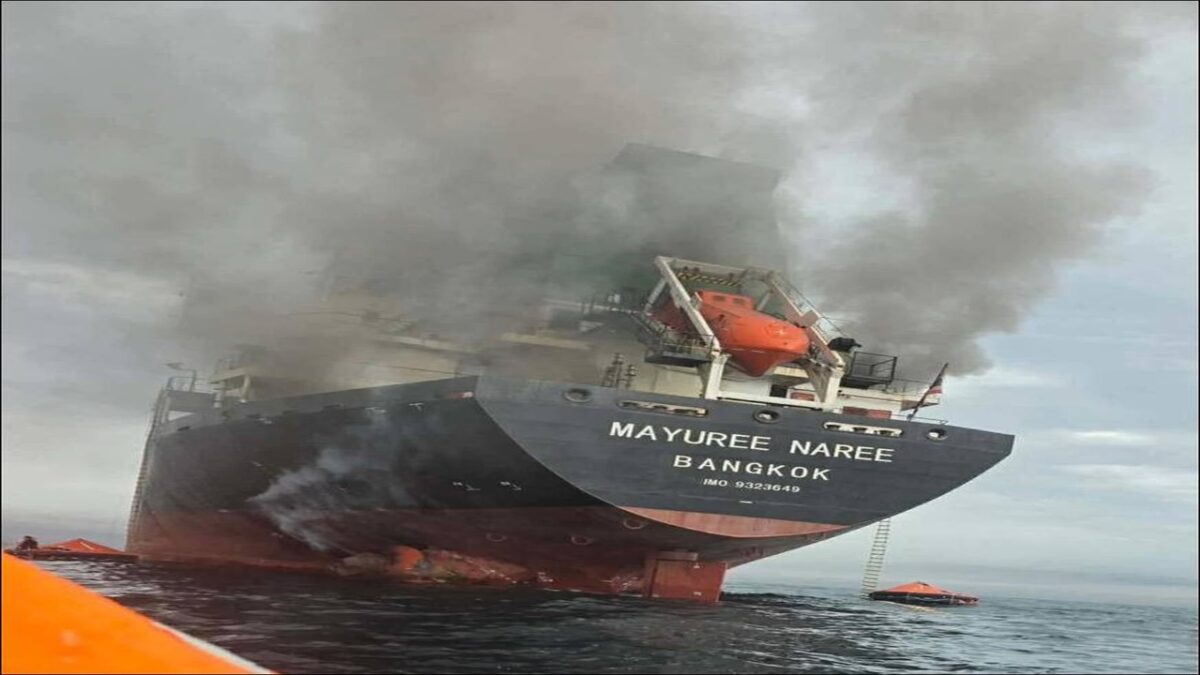
Recent alarming reports have cast a shadow over global maritime security, detailing an Iran missile attack on commercial ships in the Strait of Hormuz. Axios, citing U.S. officials, brought to light claims that Iran’s Revolutionary Guards launched at least two missiles at commercial vessels transiting this critical waterway. While two commercial ships reportedly suffered significant damage, thankfully, no casualties were reported. Concurrently, Britain’s maritime security agency, UKMTO, issued an advisory about a tanker catching fire after being struck by an unknown projectile east of Oman’s Limah. This incident underscores the persistent and escalating risks faced by international shipping traversing the Strait of Hormuz, a narrow yet profoundly vital chokepoint through which approximately one-fifth of the world’s total oil consumption navigates daily, highlighting the fragility of global supply chains and energy security.
Escalating Maritime Threats in the Strait of Hormuz
The Strait of Hormuz has long been a geographical flashpoint, and recent alleged incidents involving an Iran missile attack further highlight its inherent vulnerabilities. This strategic waterway, connecting the Persian Gulf with the Arabian Sea, is flanked by Iran to the north. Its narrowest point, at just 21 nautical miles, makes it a challenging area to navigate, particularly under hostile conditions. Iran has a history of leveraging this position, often threatening to disrupt shipping in response to international sanctions or perceived aggressions. The latest reports, if confirmed, would signify a worrying escalation from rhetoric to direct military action against commercial maritime traffic, impacting international vessels and freedom of navigation.
The context for such an incident is deeply rooted in the complex geopolitical landscape of the Middle East. Iran’s relations with Western powers remain strained over its nuclear program, regional proxy conflicts, and ongoing sanctions. Tehran often views international naval presence in the Gulf as provocative. This includes past harassment and seizure of commercial tankers, and now, potentially, direct missile strikes. Such actions are frequently interpreted as a demonstration of capability and a warning to adversaries, reminding the international community of Iran’s capacity to disrupt global trade routes at will and contributing to general maritime insecurity for commercial vessels.
Moreover, the broader region, including the Red Sea and Gulf of Aden, has recently seen an increase in attacks on commercial shipping, notably by Houthi rebels backed by Iran. These occur within a pattern of heightened maritime instability across critical Middle Eastern shipping lanes. This interconnectedness means an attack in one area can ripple through the entire region, leading to elevated risk for all shipping. The repeated targeting of commercial vessels puts immense pressure on shipping companies, forcing a re-evaluation of routes, increased security measures, and ultimately, higher costs for consumers worldwide. Deterring these actions without fueling further escalation remains a critical challenge for global maritime security.
Global Economic Impact on Shipping and Energy Markets
The immediate fallout from an Iran missile attack in the Strait of Hormuz is keenly felt in global energy and shipping markets. As approximately 20% of the world’s oil transits this chokepoint, any credible threat to its passage invariably triggers a surge in crude oil prices. Traders react swiftly to geopolitical instability, pushing prices upwards due to fears of supply disruptions. This directly impacts consumers through higher fuel costs and businesses through increased operational expenses. Beyond oil, the Strait is also crucial for liquefied natural gas (LNG) tankers and other commercial vessels carrying diverse cargo, meaning the ripple effects extend across multiple sectors of the global economy, affecting global trade and energy security.
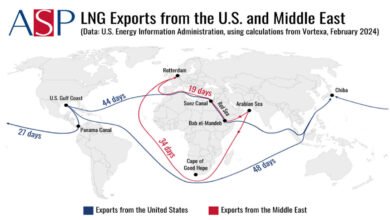
Maritime insurance premiums are heavily impacted. Following incidents like missile attacks or vessel seizures, insurers reassess risk levels for voyages through the Strait of Hormuz and the broader Gulf region. This leads to significantly higher premiums for shipping companies, a cost inevitably passed on to consumers. Some shipping firms may consider diverting vessels around the Arabian Peninsula, a longer and more expensive route, to avoid perceived dangers. Such diversions add days or even weeks to transit times, burning more fuel, increasing labor costs, and disrupting intricate supply chain schedules, further stressing global logistics and increasing the cost of goods.
The global supply chain, already strained by recent events such as the Red Sea attacks, can ill afford further shocks. Delays and increased costs in one critical maritime artery can create bottlenecks that propagate through entire networks of production and distribution. Manufacturers relying on timely deliveries and retailers dependent on consistent product flow will all feel the pinch. The unpredictable nature of such geopolitical incidents makes planning difficult, forcing businesses to build in greater contingencies, contributing to overall economic inefficiency and higher consumer prices. The persistent threat posed by incidents in the Strait of Hormuz undermines the stability and reliability of major shipping routes.
International Response and Enhanced Maritime Security
In the wake of reports concerning the Iran missile attack, the international community’s response has been one of condemnation and heightened vigilance. Major global powers, including the United States and the United Kingdom, consistently emphasize the importance of freedom of navigation and the protection of commercial shipping in international waters. While official confirmation from U.S. Central Command might not have been immediate, the gravity of such an incident demands a coordinated and robust international reaction to deter further aggression and ensure maritime security in the Gulf region.
Existing maritime security architectures, such as the International Maritime Security Construct (IMSC), which includes naval forces from various nations, are designed to address these types of threats. These coalitions conduct patrols, provide escorts, and offer intelligence sharing to enhance the safety of commercial vessels. However, the sheer volume of maritime traffic through the Strait of Hormuz makes comprehensive protection a monumental challenge. The incident will undoubtedly lead to calls for increased naval presence and more stringent security protocols for vessels transiting the area, potentially including enhanced surveillance and rapid response mechanisms for global maritime trade routes.
The United Kingdom Maritime Trade Operations (UKMTO) played a crucial role by issuing advisories, providing real-time intelligence to ships. Such agencies are vital lifelines for commercial shipping, offering warnings and coordinating responses during emergencies. The prompt reporting of the tanker incident by UKMTO highlights the critical need for timely and accurate information dissemination to mitigate risks to shipping and seafarers. This also stresses the importance of collaboration between national security agencies and maritime authorities. Diplomatic efforts will also be crucial in de-escalating tensions and preventing future occurrences, with international bodies seeking assurances from Iran regarding the safety of international shipping.
Geopolitical Ramifications and Future Outlook for Regional Shipping
The reported Iran missile attack in the Strait of Hormuz is a critical piece within a larger, increasingly volatile geopolitical mosaic in the Middle East. This incident adds another layer of complexity to a region already grappling with multiple conflicts, including the ongoing war in Gaza, the destabilizing activities of Iran-backed proxy groups, and the persistent threat of Houthi attacks on shipping in the Red Sea. The Red Sea and Gulf of Aden have witnessed a dramatic surge in drone and missile attacks, significantly disrupting global trade and forcing major shipping lines to reroute. The Strait of Hormuz incident, if confirmed as a deliberate Iranian action, indicates a potential expansion of the geographical scope of maritime threats, directly impacting the Persian Gulf.
This interwoven network of conflicts creates an environment of heightened risk for international shipping across vast swathes of the Middle East. The proximity of an Iran missile attack to the Red Sea crisis underscores the region’s interconnectedness and the potential for a cascading effect. Shipping companies and mariners are now facing a ‘two-front’ challenge, having to navigate threats both from the Bab el-Mandeb Strait in the Red Sea and potentially from the Strait of Hormuz in the Persian Gulf. This situation not only exacerbates delays and costs but also stretches the resources of naval forces deployed to protect commercial traffic, raising questions about the sustainability of current security measures protecting commercial vessels and global supply chains.
Looking ahead, the long-term outlook for maritime security in the Strait of Hormuz and the wider Gulf region remains uncertain. Iran’s actions are often unpredictable and driven by a complex mix of internal politics, regional ambitions, and reactions to international pressure. While direct military confrontation is something all parties wish to avoid, the risk of miscalculation or unintended escalation remains high. The international community will need to maintain a delicate balance of strong diplomatic engagement, robust deterrence, and proactive intelligence gathering to mitigate future threats to maritime commerce. The stakes are exceptionally high for the global economy, making continuous vigilance paramount.