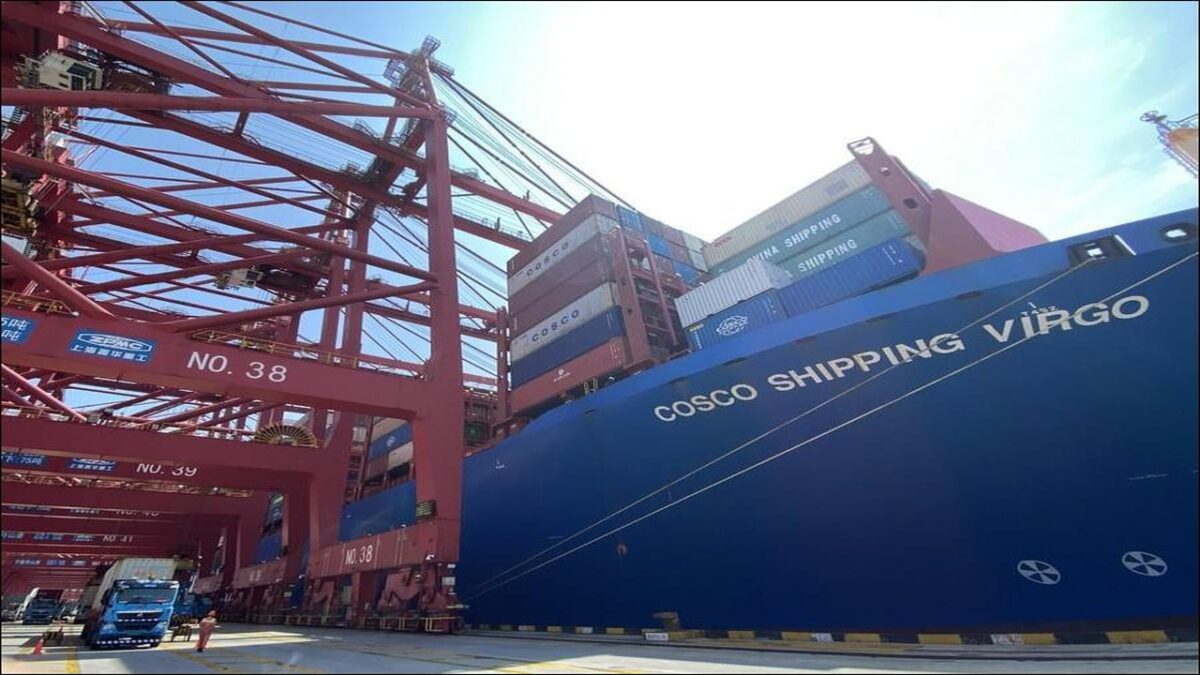
Piraeus Container Terminal Thrives: Cargo Volumes Rise | Mariner News
The Piraeus Container Terminal (PCT), a pivotal logistics hub in the Mediterranean, recently marked its 16th year of successful operations, celebrating not just a significant milestone but also reporting a substantial rise in cargo volumes. This anniversary underscores the terminal’s crucial role in transforming the Port of Piraeus into one of Europe’s leading container transshipment hubs. The consistent growth in container traffic and overall freight volumes reflects the strategic investments and operational efficiencies implemented over the past decade and a half. As a key gateway for international trade, PCT’s performance is a strong indicator of the resilient and recovering global maritime industry, positioning Greece as a vital player in the intricate web of global supply chains. The commitment of its employees and strategic partners has been instrumental in this journey, propelling the terminal to new heights and solidifying its reputation for reliability and capacity in the competitive world of port operations.
A Legacy of Growth: Transforming the Port of Piraeus
Since taking over the management of Piers II and III of the Piraeus Port Authority in 2009, Piraeus Container Terminal, a subsidiary of the global shipping giant COSCO Shipping Ports, has embarked on an ambitious journey of modernization and expansion. This strategic move marked the beginning of a remarkable transformation for the Port of Piraeus. Before COSCO’s involvement, the port, while historically significant, faced challenges in maximizing its potential as a major European player. The infusion of significant investment, coupled with cutting-edge technological innovation and a strong focus on operational excellence, revitalized the port’s infrastructure and capabilities.
These strategic developments positioned Piraeus as a critical maritime gateway, significantly enhancing its capacity to handle increasing container throughput and improving turn-around times for vessels. The terminal rapidly evolved into a robust logistics center, attracting major shipping lines and expanding its network across the Mediterranean, Black Sea, and Central and Eastern Europe. This concerted effort has not only boosted the economic vitality of the region but has also firmly established Piraeus Container Terminal as a cornerstone of European container shipping, setting new benchmarks for efficiency and service delivery within the port industry.
Surging Cargo Volumes and Robust Performance
The celebration of 16 years coincides with compelling evidence of the terminal’s robust performance, particularly highlighted by the impressive surge in cargo volumes. The latest figures are a testament to the resilience and strategic agility of Piraeus Container Terminal amidst fluctuating global trade dynamics. In May 2026, the terminal’s throughput reached an impressive 347,000 twenty-foot equivalent units (TEUs), marking a significant 2.8% increase from the 337,000 TEUs recorded in the same month of 2025. This performance is particularly noteworthy as it represents the highest monthly volume achieved by the terminal in the past 12 months, signaling a strong and sustained recovery in container traffic.
This upward trend in freight volumes is a direct result of enhanced operational efficiency, strategic partnerships, and Piraeus Container Terminal’s ability to adapt to evolving market demands. The increased TEU handling capacity underscores the terminal’s crucial role in facilitating global trade flows and strengthening supply chain resilience. Such consistent growth demonstrates not only the terminal’s operational prowess but also its growing importance as a preferred choice for major shipping lines looking for reliable and efficient maritime logistics solutions in the region. The positive trajectory in cargo volumes reinforces PCT’s status as a dynamic and expanding European port, continually contributing to the economic fabric of Greece and the broader European Union.
Strategic Location and Global Connectivity
The geographical location of the Port of Piraeus offers an unparalleled strategic advantage, positioning it as a natural nexus for international trade routes. Situated at the crossroads of Europe, Asia, and Africa, Piraeus Container Terminal acts as a vital bridge connecting major global markets. This prime location allows it to serve as a critical transshipment hub for cargo moving between the Far East and Europe, offering faster transit times and more efficient connectivity compared to alternative routes.
Its deep-water berths and advanced infrastructure enable it to accommodate the world’s largest container vessels, further solidifying its role in global maritime logistics. The terminal’s robust network extends inland, providing seamless multimodal transportation links to Central and Eastern European countries, making it an attractive entry point for goods destined for these growing economies. This unparalleled connectivity and strategic positioning are key drivers of its continued success, allowing it to efficiently handle a diverse range of cargo and support complex global supply chains. The strategic foresight in leveraging this location has been fundamental to Piraeus Container Terminal’s ascent as a key player in the global shipping industry.
Innovation, Technology, and Sustainable Operations
Piraeus Container Terminal’s success is not solely attributed to its strategic location or initial investments; a relentless pursuit of innovation, technological advancement, and a commitment to sustainable operations form the bedrock of its enduring achievements. The terminal has consistently invested in state-of-the-art port technology, including advanced automation systems, sophisticated crane operations, and digital platforms that optimize cargo handling, vessel turnaround, and overall operational workflows. These technological enhancements significantly improve efficiency, reduce operational costs, and enhance the safety of port personnel and assets.
Beyond technological prowess, PCT places a strong emphasis on safety and environmental stewardship. Rigorous safety protocols are integrated into every aspect of terminal operations, ensuring a secure working environment for its vast workforce. Furthermore, the commitment to sustainability is evident in its efforts to minimize environmental impact, adopting greener practices and exploring eco-friendly solutions within the maritime industry. This holistic approach, combining cutting-edge technology with responsible operational practices, underscores Piraeus Container Terminal’s dedication to providing world-class services while safeguarding its long-term viability and contributing positively to the surrounding ecosystem and community.
The Human Factor: Employees and Partnerships
Chief Executive Chen Dong’s emphasis on the “collective effort” of employees and partners underscores a fundamental truth about Piraeus Container Terminal’s journey: its success is deeply rooted in its human capital and collaborative relationships. The skilled and dedicated workforce forms the backbone of the terminal’s operations, from crane operators and logistics coordinators to management and support staff. Their expertise, commitment, and continuous professional development are vital in maintaining the high standards of efficiency and safety that PCT is renowned for.
Furthermore, the extensive network of partnerships—ranging from shipping lines and logistics providers to local businesses and government entities—plays an indispensable role. These collaborations foster a symbiotic ecosystem that enhances connectivity, optimizes services, and expands market reach. PCT’s ability to cultivate strong, trust-based relationships with its stakeholders has created a resilient operational framework, allowing it to navigate challenges and seize opportunities effectively. This focus on human talent and strategic alliances ensures that Piraeus Container Terminal remains agile, competitive, and deeply integrated within the global maritime community.
Future Outlook: Piraeus as a Maritime Powerhouse
Looking ahead, the future of Piraeus Container Terminal appears exceedingly bright, with ambitions to further solidify its position as a global maritime powerhouse. The sustained growth in cargo volumes and the strategic enhancements made over 16 years lay a robust foundation for continued expansion and development. Plans likely include further investments in infrastructure upgrades, advanced automation, and digital transformation initiatives to enhance capacity and operational efficiency even further. These strategic moves aim to keep pace with the evolving demands of global trade and maintain the terminal’s competitive edge.
As the Port of Piraeus continues to attract major shipping lines and serve as a crucial logistics center for transshipment cargo, its influence on regional and international supply chains is set to grow. The terminal’s commitment to innovation, sustainability, and unparalleled service positions it to capture new market shares and strengthen its network of global connections. Piraeus Container Terminal is not merely a point of transit; it is a dynamic engine of economic growth and a testament to the power of strategic vision and collective effort in the maritime industry, poised to shape the future of container shipping for decades to come.