NYK Launches Lyla Pathfinder: LPG Dual-Fuel Gas Carrier | Mariner News
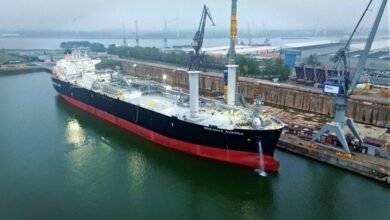
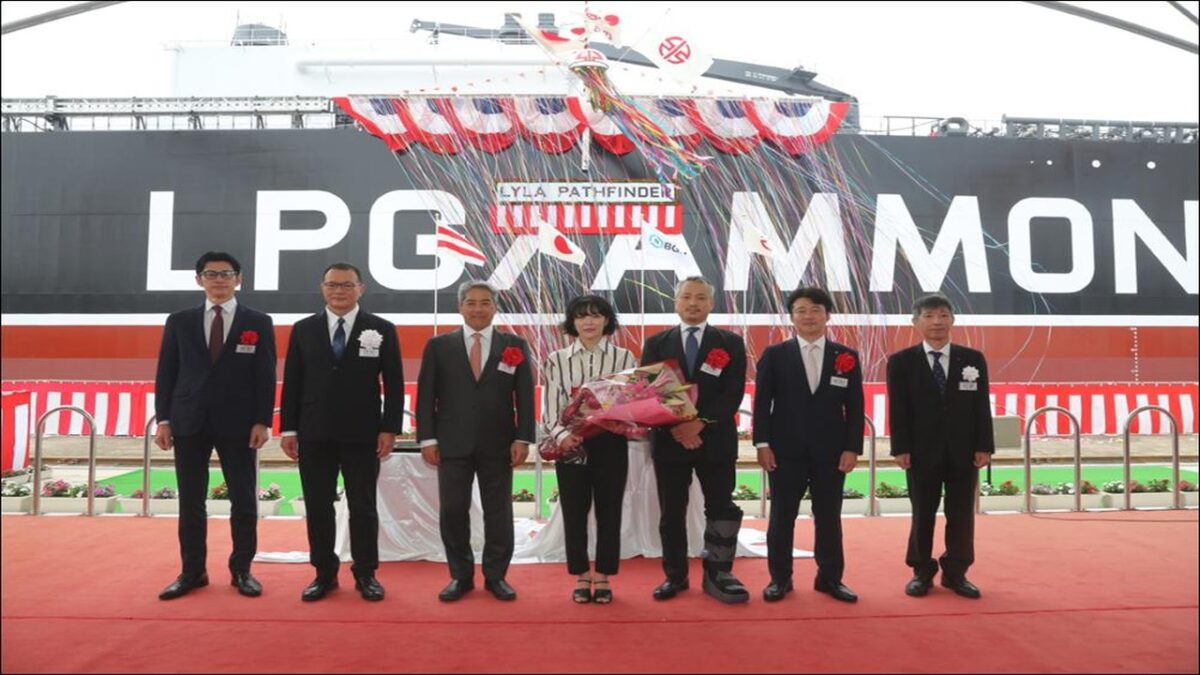
Japan’s shipping giant, NYK, proudly named its latest fleet addition: the Lyla Pathfinder. This vessel marks a significant leap for sustainable shipping, designed as an LPG dual-fuel gas carrier. Unveiled at Kawasaki Heavy Industries’ Sakaide shipyard, this very large gas carrier (VLGC) embodies NYK’s commitment to environmental stewardship and decarbonization. The Lyla Pathfinder will redefine cleaner energy solutions, reducing maritime emissions and paving the way for an eco-friendly future. It’s a pivotal asset in advancing alternative fuels.
A Milestone for Sustainable Maritime Transport
The naming ceremony officially introduced the Lyla Pathfinder. This eighth dual-fuel LPG carrier ordered by NYK underscores the company’s long-term vision in greener technologies. Following delivery, the vessel will be chartered to UAE-based LPG trader BGN INT FZCO, facilitating global LPG transport with enhanced efficiency and environmental responsibility. This partnership highlights a trend where charterers prioritize vessels with lower carbon footprints and sustainable shipping solutions.
The Lyla Pathfinder is a powerful statement, signaling a shift in industry approach to energy consumption and environmental impact. Its deployment will bolster the reliable supply chain for liquefied petroleum gas (LPG) while setting a new benchmark for ecological operations. NYK’s proactive fleet expansion demonstrates its leadership in driving sustainable global shipping practices, aligning with international targets for reducing greenhouse gas emissions.
The Advanced Technology Behind Lyla Pathfinder
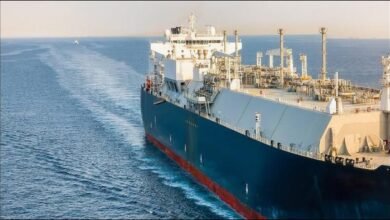
At the core of the Lyla Pathfinder’s design lies its sophisticated dual-fuel engine system. This marvel provides flexibility to operate on conventional marine fuels and LPG. Switching fuels ensures operational resilience and substantial environmental benefits. This LPG dual-fuel gas carrier also incorporates shaft-generated electricity, an energy-saving feature harnessing power during operation. This significantly reduces reliance on auxiliary diesel generators, allowing the Lyla Pathfinder to operate almost entirely on cleaner-burning LPG, maximizing its eco-friendly credentials.
The environmental advantages of using LPG as marine fuel are profound. NYK states this choice dramatically cuts sulfur oxide (SOx) emissions by over 95% compared to conventional heavy fuel oil, and achieves a greenhouse gas (GHG) emissions reduction by more than 20%. These figures are critical as stringent international maritime regulations push towards decarbonization. The Lyla Pathfinder’s technological prowess showcases a viable pathway to cleaner operations, mitigating global shipping’s impact and underscoring the vital role of alternative fuels.
LPG as a Cleaner Alternative Fuel
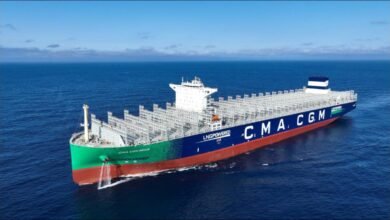
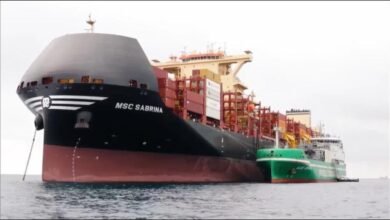
While a niche alternative bunker fuel, LPG gains traction, particularly within gas carriers. Its inherent properties, like clean combustion and ease of storage, make it an attractive option for shipowners reducing their environmental footprint. The Lyla Pathfinder exemplifies this trend, leveraging LPG for both economic and ecological advantages. The maritime industry’s drive towards sustainable shipping necessitates a diverse portfolio of alternative fuels; LPG is proving a strong contender, especially for vessels designed to handle it as cargo.
The transition towards low-carbon marine fuels is complex, requiring investment in technology, infrastructure, and training. However, operational success and environmental benefits demonstrated by vessels like the Lyla Pathfinder provide a compelling case for wider LPG adoption. As global regulations tighten and demand for greener supply chains intensifies, the role of alternative fuels like LPG will expand. This vessel proves cleaner marine fuels are practical, deployable solutions for fleet decarbonization.
Preparing for the Ammonia Fuel Future
Beyond its LPG dual-fuel capabilities, the Lyla Pathfinder is engineered for future low-carbon fuels. Crucially, it’s designed to transport ammonia, increasingly recognized for its potential as a zero-carbon energy source for shipping. This foresight positions NYK at the forefront of the evolving energy landscape, preparing for growth in demand for ammonia as a marine fuel. Safely transporting ammonia, even as cargo, provides invaluable experience and insight into handling this transformative fuel.
The development of ammonia as a viable bunker fuel presents both opportunities and challenges, including safety, engine technology, and infrastructure. By building ships capable of transporting ammonia, NYK serves current market needs and strategically prepares for a future where ammonia-powered vessels could become commonplace. This proactive approach underscores NYK’s commitment to long-term sustainability and its role in accelerating the maritime industry’s journey towards truly zero-emission shipping, showcasing adaptability for alternative fuels.
NYK’s Broader Vision for Decarbonization
The Lyla Pathfinder represents NYK’s comprehensive environmental strategy, extending beyond this single vessel. The company has set ambitious targets for fleet decarbonization, aiming for significant greenhouse gas reductions in line with IMO guidelines and internal goals. This commitment involves continuous investment in research and development, exploration of various alternative fuels including LNG, hydrogen, and biofuels, and fostering collaborations with technology providers and industry stakeholders.
NYK’s vision embraces a holistic approach to sustainable shipping, integrating energy efficiency, route planning, and advanced hull designs. The introduction of innovative LPG dual-fuel gas carriers like the Lyla Pathfinder is a critical step in this multifaceted strategy. By actively pursuing these greener solutions, NYK contributes to global environmental protection and ensures its long-term competitiveness and resilience. This proactive stance solidifies NYK’s position as a leader in advocating for cleaner marine fuels and operational practices.
The Evolving Landscape of Global Shipping
The global shipping industry undergoes unprecedented transformation, driven by tightening environmental regulations, societal pressure for climate action, and the urgent need to mitigate climate change impacts. Vessels like the Lyla Pathfinder are vital components in meeting ambitious IMO targets, aiming for significant reductions in carbon intensity and net-zero emissions. Shipowners and operators worldwide are grappling with the complexities of transitioning from traditional fossil fuels to a mosaic of alternative fuels, each with benefits and challenges.
This shift presents both challenges and opportunities. Companies investing early in sustainable shipping solutions, like NYK with its LPG dual-fuel gas carrier fleet, are positioning themselves as industry pioneers. They demonstrate that economic viability and environmental responsibility can go hand-in-hand. The growing demand for greener supply chains from cargo owners and consumers accelerates this evolution, making innovative and eco-friendly vessels an indispensable part of modern maritime commerce. This proactive embracing of change is critical for the long-term health of the industry and planet.
Conclusion
The naming of the Lyla Pathfinder marks a pivotal moment for NYK and the maritime industry. As an advanced LPG dual-fuel gas carrier, it stands as a shining example of how innovation and strategic investment in alternative fuels drive meaningful progress towards sustainable shipping. With its capability to significantly reduce sulfur oxide and greenhouse gas emissions, and its future-proof design for ammonia transport, the Lyla Pathfinder embodies NYK’s unwavering dedication to environmental stewardship and decarbonization. This vessel is more than just an engineering feat; it’s a beacon of hope for a cleaner, greener future, proving that cleaner marine fuels lead to powerful, positive change for global shipping. NYK continues to lead the way, setting new benchmarks for ecological operations and inspiring the entire industry to embrace a more sustainable path.