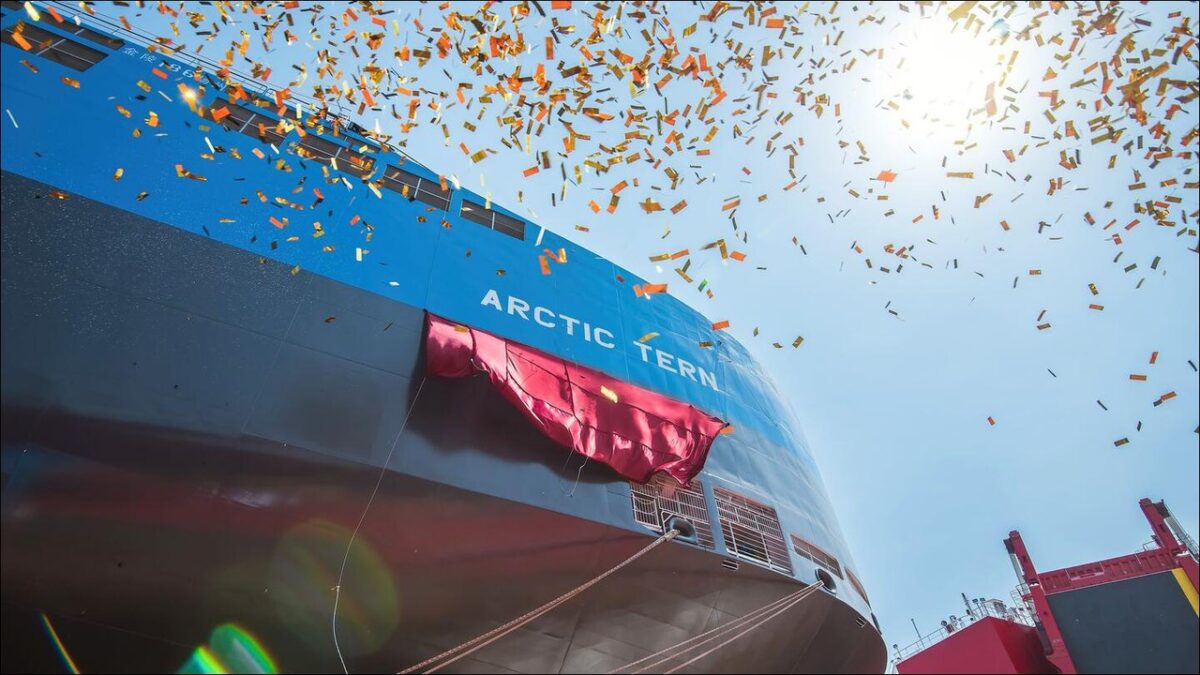
Wallenius Wilhelmsen Arctic Tern: First Methanol Bunkering | Mariner News
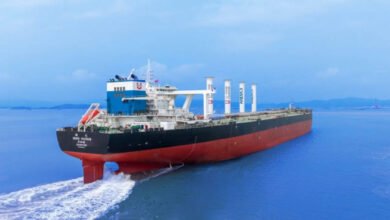
The maritime industry is charting a course towards a significantly greener future, and Wallenius Wilhelmsen is leading the charge with a monumental step: the inaugural methanol bunkering for its new vessel, the Arctic Tern. This event signifies a pivotal moment in the global effort to decarbonize shipping, showcasing the practical application of alternative marine fuels. As the first vessel in the innovative Shaper Class series, the Arctic Tern is not merely a new addition to the fleet; it represents a tangible commitment to environmental stewardship and a substantial investment in sustainable maritime solutions. The commencement of its operations on the crucial Asia-Europe route, under the stewardship of EUKOR Car Carriers, underscores the viability and strategic importance of methanol as a cleaner energy source for large-scale logistics. This development is expected to inspire further adoption of green technologies across the industry, reinforcing the urgency and feasibility of transitioning away from traditional fossil fuels.
A New Era for Sustainable Shipping: Wallenius Wilhelmsen’s Methanol Initiative
Global shipping, a vital backbone of international trade, faces increasing pressure to mitigate its environmental impact. With ambitious targets set by international bodies like the IMO, shipping companies are compelled to explore and implement cleaner propulsion technologies. Wallenius Wilhelmsen, a pioneer in ocean transport and logistics, has unequivocally embraced this challenge, positioning itself at the forefront of the green revolution with its strategic investment in methanol-fuelled vessels. The deployment of the Arctic Tern, a cutting-edge pure car and truck carrier (PCTC), exemplifies this forward-thinking approach, setting a precedent for environmental responsibility within the high-volume maritime sector.
This initiative is part of Wallenius Wilhelmsen’s broader decarbonization journey, which encompasses a holistic strategy of fleet modernization, operational efficiency enhancements, and the adoption of advanced alternative fuels. The Shaper Class series, spearheaded by the Arctic Tern, is designed to significantly reduce greenhouse gas emissions and harmful pollutants, making it a critical component of the company’s long-term sustainability goals. By investing in vessels capable of methanol bunkering, WW is not only complying with future regulations but actively shaping a more sustainable future for global logistics, demonstrating that economic viability and environmental responsibility can go hand in hand.
Wallenius Wilhelmsen’s commitment extends beyond simply operating cleaner ships; it involves a collaborative effort across the entire value chain. This includes engaging with fuel suppliers, port authorities, and technology developers to build the necessary infrastructure and expertise for widespread adoption of alternative fuels. The successful methanol bunkering of the Arctic Tern is a testament to years of research, development, and strategic partnerships, showcasing the company’s dedication to overcoming the complexities of maritime decarbonization and inspiring other industry players to follow suit.
Arctic Tern: Pioneering Dual-Fuel Technology for Decarbonization
The Arctic Tern is more than just a ship; it is a symbol of engineering innovation and environmental progress. As a dual-fuel PCTC, it possesses the unique capability to operate on both conventional marine fuel and methanol, providing operational flexibility while significantly reducing its carbon footprint. This state-of-the-art vessel is meticulously designed to transport thousands of cars and high-and-heavy cargo across vast oceanic distances, all while adhering to stringent environmental standards. Its construction incorporates advanced technologies aimed at maximizing energy efficiency and minimizing emissions, reflecting a comprehensive approach to sustainable ship design.
When operating on methanol, especially green methanol derived from renewable sources, the Arctic Tern dramatically reduces emissions of carbon dioxide (CO2), nitrogen oxides (NOx), sulfur oxides (SOx), and particulate matter. This reduction is crucial for improving air quality in port cities and along shipping lanes, directly contributing to global efforts to combat climate change. The vessel’s ability to switch seamlessly between fuels also provides a crucial operational safety net, ensuring reliable service even as alternative fuel infrastructure continues to develop globally. This flexibility is a key advantage for vessels embarking on long international voyages.
Integrating methanol as a primary fuel source required significant engineering prowess and the implementation of robust safety protocols. The design of the Arctic Tern addresses the unique characteristics of methanol, ensuring safe storage, handling, and combustion. This involved specialized tank arrangements, fuel delivery systems, and engine modifications, all while maintaining the operational integrity and cargo capacity expected of a large PCTC. The successful deployment of such complex dual-fuel systems validates methanol’s readiness as a viable, scalable alternative fuel for the deep-sea shipping segment.
The Strategic Importance of Methanol as a Marine Fuel
Methanol has emerged as one of the most promising and practical alternative fuels for the maritime industry, offering a compelling blend of environmental benefits and operational advantages. Unlike some other emerging marine fuels that require cryogenic storage or extremely high pressures, methanol is a liquid at ambient temperatures and pressures, making its storage and handling relatively straightforward. This characteristic significantly reduces the complexity and cost associated with vessel design modifications and bunkering infrastructure development, accelerating its adoption across diverse vessel types.
Furthermore, methanol boasts a well-established global supply chain, with existing production facilities and distribution networks that can be leveraged and expanded for marine fuel applications. This ease of integration into existing logistics frameworks gives methanol a significant edge over alternatives like hydrogen or ammonia, which require entirely new and extensive infrastructure investments. The potential for ‘green methanol,’ produced from renewable electricity (e-methanol) or sustainable biomass (bio-methanol), offers a clear pathway to truly carbon-neutral shipping, making it an attractive option for companies committed to deep decarbonization.
From a bunkering perspective, methanol refueling processes are quite similar to those for conventional liquid fuels, requiring minimal adaptation for port operations and ship crew training. This familiarity streamlines the transition for maritime operators and reduces potential operational delays. As the global network of methanol bunkering facilities expands, supported by pioneering vessels like the Arctic Tern, the strategic importance of methanol will only grow, solidifying its role as a cornerstone of the future sustainable maritime fuel mix. It stands as a pragmatic solution bridging the gap between current fossil-fuel dependency and a fully decarbonized fleet.
Navigating Global Routes: Arctic Tern’s Operational Impact on Asia-Europe Trade
The assignment of the Arctic Tern to the demanding Asia-Europe trade route is strategically significant. This corridor is one of the busiest and most critical arteries of global commerce, connecting major manufacturing hubs with vast consumer markets. Operating a methanol-fuelled vessel on such a high-volume route demonstrates the fuel’s reliability and scalability, sending a strong signal to the industry about its commercial viability and readiness for mainstream adoption. The vessel’s capacity as a PCTC means it will transport a substantial volume of vehicles and other rolling cargo, directly impacting the supply chains of leading automotive manufacturers and other heavy equipment industries.
Deployed through EUKOR Car Carriers, a joint venture between Wallenius Wilhelmsen and Hyundai Motor Group, the Arctic Tern will contribute to making automotive logistics more sustainable. This collaboration highlights a growing trend where cargo owners are increasingly demanding greener transportation solutions, pushing carriers to innovate. The vessel’s performance on this route will provide invaluable data on methanol consumption, operational efficiency, and emissions reductions in a real-world, high-stakes environment, further refining best practices for future methanol-powered ships.
The operational success of the Arctic Tern on the Asia-Europe route is expected to catalyze the development of more extensive methanol bunkering infrastructure at key ports along this corridor. As more ports become equipped to handle methanol, the network effect will accelerate, making it easier for a wider range of vessels to adopt this cleaner fuel. This vessel’s journey is not just about transporting cargo; it’s about pioneering a new logistical paradigm, proving that green shipping can be efficient, reliable, and integral to the global supply chain.
Wallenius Wilhelmsen’s Vision for a Greener Future in Maritime Logistics
Wallenius Wilhelmsen’s launch of the Arctic Tern and its first methanol bunkering represents a bold statement about the company’s long-term vision for a sustainable future in maritime logistics. This commitment extends beyond compliance; it is about leadership and proactive investment in solutions that will define the next generation of shipping. The company’s strategy is multi-faceted, encompassing continued investment in research and development, fostering partnerships with technology providers, and actively contributing to the development of industry standards for new fuels and operational practices. Wallenius Wilhelmsen is not waiting for regulations; it is helping to shape them, aiming to achieve ambitious decarbonization targets that often surpass current international mandates.
This visionary approach is driven by a deep understanding of market dynamics and evolving customer expectations. There is a growing demand from shippers and consumers alike for environmentally responsible supply chains. By offering greener transport options, Wallenius Wilhelmsen enhances its competitive edge and reinforces its position as a preferred partner for global logistics. The economic arguments for green shipping are also becoming clearer, with potential savings from fuel efficiency, reduced exposure to carbon taxes, and improved brand reputation contributing to a stronger bottom line. This makes sustainable investments not just an ethical choice, but a smart business decision.
Looking ahead, the success of the Arctic Tern will serve as a crucial blueprint for expanding Wallenius Wilhelmsen’s methanol-fuelled fleet and influencing broader industry trends. The company aims to continue exploring other alternative fuels and propulsion technologies, always seeking the most efficient and environmentally sound solutions. Ultimately, Wallenius Wilhelmsen envisions a future where maritime transport operates with minimal environmental impact, powered by clean energy and driven by a collective commitment to protecting our planet. The Arctic Tern’s methanol bunkering is a significant stride on this journey, paving the way for a cleaner, more sustainable global fleet.