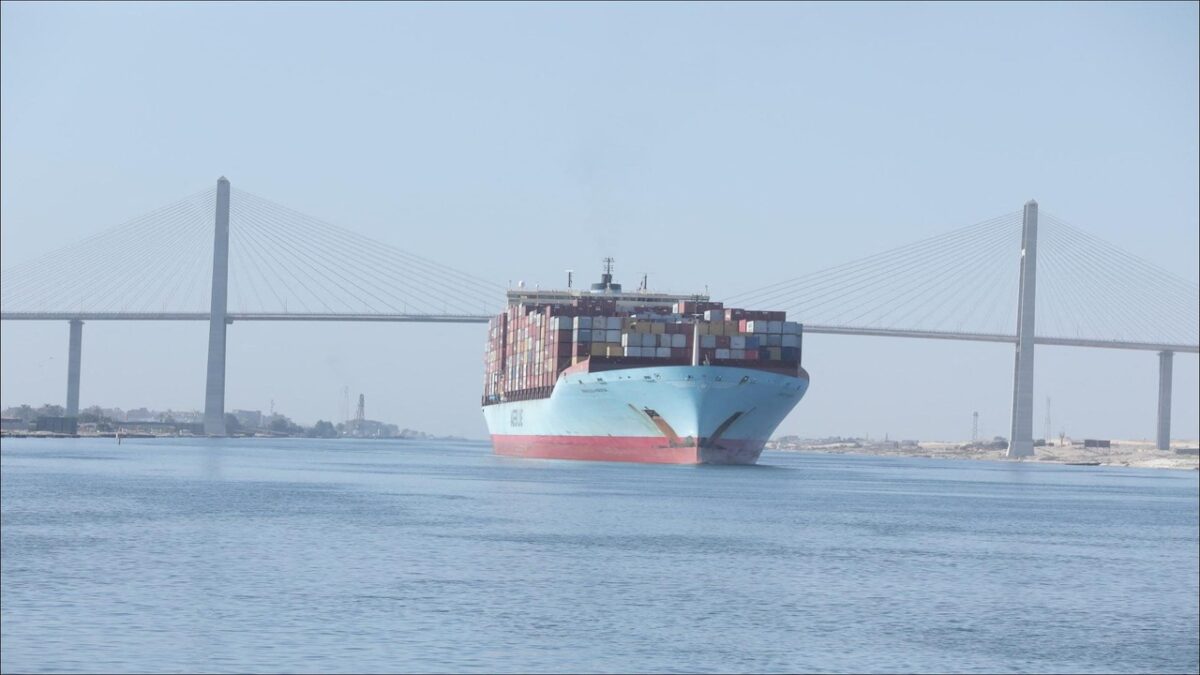
Maersk Expands Red Sea Service via Suez Canal | Mariner News
Maersk, a global leader in container shipping, is taking significant strides to restore its crucial Suez Canal service, marking a wider Maersk Red Sea return strategy. This move signifies another step towards re-establishing normal transits through the vital waterway, even as the company maintains a cautious stance, ready to reroute services if the maritime security situation in the region deteriorates. The Suez Canal remains the fastest, most efficient, and most sustainable link connecting Asia, the Middle East, and the West, making Maersk’s gradual re-entry a pivotal development for global supply chains and the entire shipping industry. This decision highlights the complex balance container lines must strike between operational efficiency and the safety of their crews and cargo amidst ongoing geopolitical challenges.
Maersk’s Strategic Re-entry into the Red Sea
Maersk’s recent announcement to expand its Red Sea return with additional Suez Canal services underscores a carefully considered, phased approach to resuming operations in a challenging environment. For months, disruptions in the Red Sea have forced many shipping companies to divert vessels around the Cape of Good Hope, adding considerable time and cost to voyages between Asia and Europe. This extended transit has had ripple effects across the global logistics network, impacting everything from delivery schedules to freight rates. Maersk’s commitment to the Suez corridor, often referred to as the gateway between East and West, reflects its understanding of the route’s paramount importance for the global economy.
The carrier’s strategy isn’t merely about resuming normal operations; it’s about re-optimizing the vast network of global trade routes. By leveraging the Suez Canal, Maersk can offer its clients shorter transit times, reduced fuel consumption, and a more predictable supply chain. These benefits are critical for businesses relying on timely deliveries and efficient inventory management. The decision to enhance Suez Canal transits comes with a clear caveat: flexibility. Maersk has explicitly stated that security remains its top priority, and contingency plans are firmly in place to divert vessels if the Red Sea situation escalates. This adaptive posture demonstrates a mature response to an volatile geopolitical landscape, ensuring both commercial viability and crew safety.
Navigating Geopolitical Tensions and Supply Chain Resilience
The maritime industry has been grappling with unprecedented security challenges in the Red Sea, particularly concerning attacks on commercial vessels. These incidents have forced shipping companies worldwide to re-evaluate their risk assessments and operational strategies. The decision by Maersk to widen its Red Sea return is not taken lightly but is a testament to the persistent demand for the efficiency offered by the Suez Canal. The alternative, longer route around Africa, while safer, significantly increases journey times, fuel costs, and carbon emissions, putting immense pressure on supply chain resilience.
For businesses worldwide, the stability of key shipping lanes like the Suez Canal is non-negotiable. Extended transit times translate into higher inventory holding costs, potential stockouts, and disruptions to manufacturing schedules. Maersk’s move to restore Suez service aims to alleviate some of these pressures by providing a more direct and reliable route for container shipments. However, the underlying security concerns remain a significant factor, demanding constant vigilance and robust risk management strategies from all involved in global logistics. The ongoing need for contingency plans highlights the fragile nature of global supply chains when faced with regional conflicts.
The Economic and Logistical Advantages of the Suez Canal
Historically, the Suez Canal has served as an indispensable artery for international trade, facilitating the movement of goods between major economic powerhouses in Asia, the Middle East, and Europe. Its strategic location dramatically reduces sea travel distances, saving days, sometimes weeks, compared to circumnavigating the African continent. For container shipping, where speed and efficiency directly translate into competitive advantage, the Suez route is invaluable. It not only cuts down on transit times but also significantly lowers fuel consumption and operational costs for carriers.
Furthermore, the Suez Canal plays a crucial role in maintaining the delicate balance of global trade flows. Any sustained disruption to this corridor has far-reaching consequences, affecting everything from energy prices to consumer goods availability. Maersk’s efforts to enhance its Suez services are therefore seen as a positive signal for market stability and predictability. By offering a more direct link, Maersk helps businesses reduce their lead times, optimize their inventory, and ultimately offer more competitive prices to consumers. This economic benefit extends beyond just shipping lines, touching every facet of the global economy reliant on international commerce.
Industry Reactions and Future Outlook for Red Sea Shipping
Maersk’s decision to expand its Red Sea services comes as other major carriers also weigh their options in the volatile region. Companies like Hapag-Lloyd, while maintaining similar contingency plans, have often mirrored Maersk’s cautious approach, underscoring the collective industry challenge. The maritime community closely monitors developments, with security assessments continually evolving. This shared predicament highlights the interconnectedness of global shipping and the need for collaborative solutions to ensure safe passage through critical choke points.
The future outlook for Red Sea shipping remains uncertain, contingent on geopolitical stability. While Maersk’s move offers a glimmer of hope for a return to normalcy, the underlying threats necessitate ongoing vigilance. The shipping industry must adapt to a new paradigm where major trade routes can be disrupted with little notice, demanding greater flexibility and resilience in network planning. This shift could accelerate investments in alternative routes, advanced maritime security technologies, and enhanced intelligence sharing among stakeholders to mitigate future risks. The long-term stability of the trans-Suez corridor is vital for sustaining global trade growth.
Maersk’s Commitment to Global Trade and Efficiency
As a prominent player in the global logistics arena, Maersk’s decisions hold significant weight and influence market trends. Their renewed focus on the Suez Canal service demonstrates a strong commitment not only to their customers but also to the broader global trade ecosystem. By gradually restoring and enhancing this critical route, Maersk aims to provide a reliable lifeline for businesses navigating an increasingly complex world. Their dedication to finding optimal shipping solutions, even in the face of adversity, reinforces their position as a leader committed to connecting the world’s supply chains efficiently and responsibly.
This strategic initiative is about more than just moving containers; it’s about fostering economic recovery and stability. Maersk’s ongoing investment in the Red Sea route, coupled with robust security protocols, illustrates a proactive approach to maintaining the arteries of global commerce. They understand that reliable container shipping is the backbone of international trade, and their actions reflect a steadfast determination to keep goods moving, supporting industries and economies worldwide.
In conclusion, Maersk’s expanded Maersk Red Sea return strategy with additional Suez Canal services marks a significant development for global container shipping. While balancing operational efficiency with paramount security concerns, the company is taking measured steps to restore this vital Asia-Europe corridor. This move underscores the Suez Canal’s indispensable role in global trade and highlights the shipping industry’s continuous adaptation to complex geopolitical realities, striving for stability and efficiency in the face of ongoing challenges.