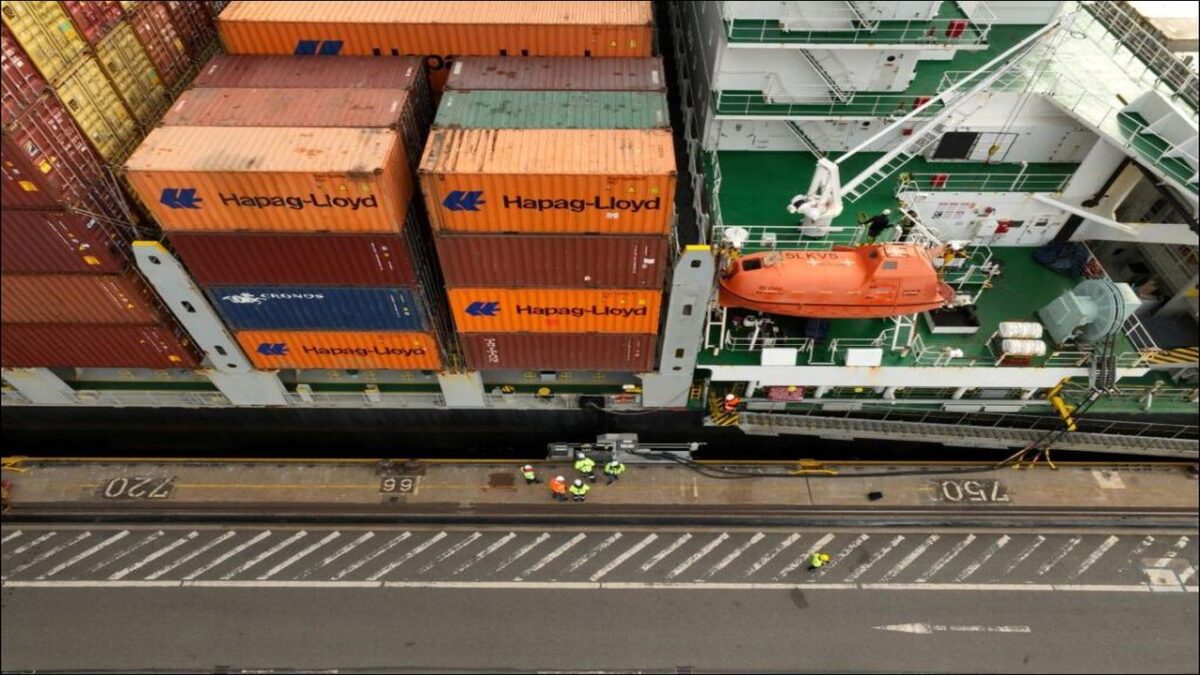
Hapag-Lloyd Commits to Shore Power in Hamburg for Green Shipping | Mariner News
In a significant stride towards maritime decarbonization, container shipping giant Hapag-Lloyd has formally cemented its commitment to utilizing shore power infrastructure at all terminals within the Port of Hamburg, Germany. This landmark agreement with the Hamburg Port Authority signals a pivotal moment for sustainable shipping practices, underscoring Hapag-Lloyd’s proactive approach to reducing its environmental footprint and contributing to cleaner air in port cities. The move to adopt shore power, also known as ‘cold ironing,’ allows vessels to connect to the onshore electricity grid while docked, thereby shutting down their auxiliary diesel engines. This practice dramatically cuts down on greenhouse gas emissions, nitrogen oxides (NOx), sulfur oxides (SOx), and particulate matter (PM), fostering a healthier environment for both port communities and ecosystems.
Hapag-Lloyd’s decision is not merely a symbolic gesture but a tangible commitment, requiring its vessels to use the shore power facilities whenever they are available and operationally feasible. This ambitious undertaking aligns with the company’s broader strategic objectives for environmental stewardship and sets a new benchmark for major carriers operating in leading European ports. The integration of shore power capabilities into its fleet and operational protocols reflects a concerted effort to invest in long-term sustainable solutions that benefit the entire maritime supply chain. As global regulations tighten and stakeholder expectations for corporate social responsibility rise, such initiatives are becoming increasingly crucial for maintaining competitive advantage and demonstrating genuine commitment to a greener future for the shipping industry.
Hapag-Lloyd’s Pivotal Commitment to Green Port Operations
The agreement between Hapag-Lloyd and the Hamburg Port Authority is a testament to the shipping line’s unwavering dedication to its ambitious goal of achieving net-zero fleet emissions by 2045. Rolf Habben Jansen, CEO of Hapag-Lloyd, emphasized the critical role of shore power in this long-term strategy, stating, “Shore power is an important element on our path toward lower-emission vessel operations in ports and towards our goal of achieving net-zero fleet emissions by 2045.” This vision extends beyond mere compliance, reflecting a profound understanding of the shipping industry’s responsibility to mitigate its climate impact.
To facilitate this transition, Hapag-Lloyd has been systematically equipping its fleet with the necessary technology. All newbuild vessels joining the company’s modern fleet are inherently designed and equipped to connect to shore power grids. Furthermore, a substantial program is underway to retrofit suitable vessels within its existing fleet, ensuring that a growing proportion of its ships can leverage this green technology. This dual approach—building new capabilities and upgrading existing assets—demonstrates a comprehensive and forward-thinking strategy to integrate sustainable practices across its entire operational framework. The successful utilization of shore power by vessels like the Al Muraykh and Tihama during recent calls at Hamburg, particularly on the busy Asia-North Europe route, provides practical validation of the operational feasibility and environmental benefits of these investments.
Unpacking the Environmental and Operational Benefits of Shore Power
Shore power offers a multitude of advantages that extend far beyond simple emission reductions. When a vessel connects to the onshore grid, it eliminates the need to run its powerful auxiliary diesel engines, which traditionally supply electricity for onboard systems such as lighting, ventilation, refrigeration, and crew amenities while in port. This cessation of engine operation directly translates to a significant decrease in local air pollution, benefiting the health of port workers and residents alike. The reduction of harmful pollutants like NOx and SOx, which contribute to acid rain and respiratory illnesses, is particularly impactful in densely populated urban areas surrounding major ports.
Beyond air quality, shore power also addresses noise pollution, a persistent complaint from communities adjacent to busy port areas. The hum and vibration of idling engines are replaced by the quiet hum of electricity from the grid, vastly improving the quality of life for those living nearby. Moreover, the environmental benefit is amplified when the shore power supplied is generated from renewable sources, such as wind, solar, or hydro power, effectively decarbonizing a significant portion of a vessel’s in-port energy consumption. This holistic approach to sustainability makes shore power an indispensable tool in the global maritime industry’s efforts to create greener ports and more eco-friendly supply chains. The move towards cold ironing enhances a port’s overall operational efficiency and reduces fuel costs for carriers, making it an economically attractive option in the long run.
Hamburg: A Leader in Sustainable Maritime Infrastructure
The Port of Hamburg has long been recognized as a trailblazer in sustainable port development, and its collaboration with Hapag-Lloyd further solidifies its reputation as a green port leader. The Hamburg Port Authority has invested substantially in developing comprehensive shore power infrastructure across its terminals, positioning itself as an attractive hub for shipping lines committed to environmental excellence. By providing readily available shore power connections, Hamburg incentivizes carriers to adopt greener practices, creating a synergistic relationship that drives broader industry transformation. This proactive investment demonstrates a clear vision for a future where economic growth and environmental protection go hand-in-hand.
Hamburg’s commitment extends beyond infrastructure. The port actively participates in international initiatives aimed at promoting sustainable shipping and is keen to foster partnerships that accelerate the adoption of clean technologies. The partnership with Hapag-Lloyd serves as a powerful example of how port authorities and shipping companies can collaborate effectively to achieve shared environmental goals. Such collaborations are vital for establishing green corridors and decarbonizing major trade routes, ensuring that global trade can continue to thrive without compromising ecological integrity. The city of Hamburg, with its strategic location and progressive policies, continues to set high standards for environmental performance in the maritime sector, making it a pivotal player in the global move towards eco-friendly logistics.
Hapag-Lloyd’s Fleet Readiness and Proactive Decarbonization Journey
Hapag-Lloyd’s commitment to shore power is underpinned by substantial investment in its fleet. Currently, approximately 35% of Hapag-Lloyd’s fleet is fully equipped to connect to shore power, a figure that highlights the significant progress already made and the ongoing efforts to expand this capability. This dedication to fleet modernization is critical for ensuring the widespread adoption of shore power across its extensive global network. The successful trials of the Al Muraykh and Tihama in Hamburg represent practical milestones, demonstrating the effective integration of technology and operational procedures required for seamless shore power use.
Beyond shore power, Hapag-Lloyd is pursuing a multifaceted decarbonization strategy that encompasses a range of innovative solutions. This includes exploring and investing in alternative fuels such as liquefied natural gas (LNG), biofuels, and methanol-powered vessels. The company is actively engaged in research and development to identify and implement the most efficient and sustainable propulsion technologies available. This holistic approach, combining infrastructure investments like shore power with advanced fuel solutions, positions Hapag-Lloyd at the forefront of the shipping industry’s transition towards a net-zero future. The company understands that diverse solutions are required to tackle the complex challenge of maritime emissions, and its strategy reflects this comprehensive vision.
The Broader Horizon: Shore Power in the Global Maritime Context
The commitment by Hapag-Lloyd and the Port of Hamburg is part of a growing global trend towards the widespread adoption of shore power. Ports worldwide, particularly in Europe, North America, and parts of Asia, are increasingly investing in cold ironing infrastructure, often driven by stringent environmental regulations and mounting public pressure. Initiatives like the European Union’s ‘Fit for 55’ package, for instance, include mandates for ports to provide shore power and for vessels to use it, signaling a clear regulatory push towards greater electrification of port calls.
However, the widespread implementation of shore power faces challenges, including the substantial upfront investment required for infrastructure development, the need for standardization of connection technologies across different regions, and ensuring sufficient grid capacity to handle increased demand. Overcoming these hurdles requires collaborative efforts between governments, port authorities, shipping lines, and technology providers. As more major carriers like Hapag-Lloyd commit to using these facilities, it creates a stronger business case for ports to invest further, fostering a virtuous cycle of demand and supply in sustainable port solutions. This collective momentum is crucial for accelerating the maritime industry’s journey towards comprehensive decarbonization and creating a truly green global supply chain.
Hapag-Lloyd’s commitment to shore power in Hamburg represents a significant step forward for sustainable container shipping and green port operations. This collaboration between a leading carrier and a progressive port exemplifies the type of partnerships needed to drive meaningful environmental change in the maritime sector. By embracing cold ironing, Hapag-Lloyd is not only reducing its carbon footprint but also setting a powerful example for the entire industry. As the push for net-zero emissions intensifies, such strategic investments in sustainable infrastructure and operational practices will be critical in navigating the shipping industry towards a cleaner, more environmentally responsible future. Continued innovation and collaboration will be key to unlocking the full potential of shore power and other decarbonization technologies across the global maritime landscape.