Evergreen Marine Director Released Amid Insider Trading Probe | Mariner News
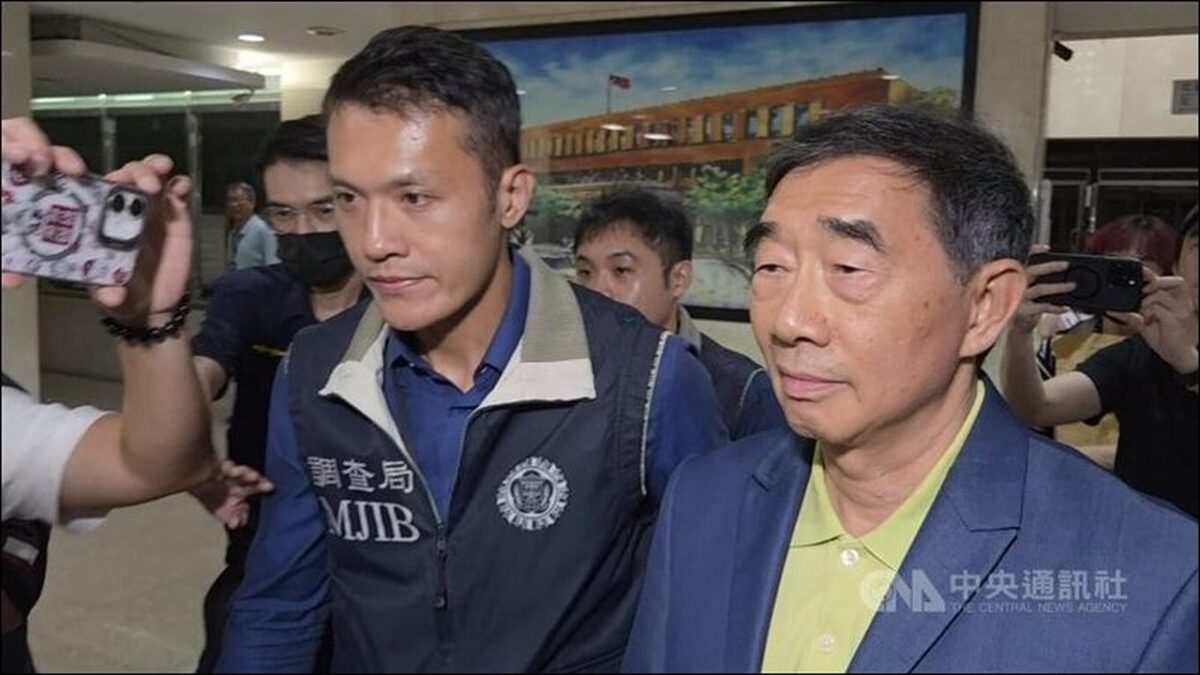
Evergreen Marine director Chang Kuo-hua, a prominent figure in the global container shipping industry, has recently been released on a substantial NT$120 million (US$3.73 million) bail amidst a high-stakes insider trading investigation. The Taipei District Prosecutors’ Office initiated this probe following serious allegations of financial impropriety involving shares of Evergreen Marine, a flagship entity of the renowned Evergreen Group. His release, while granting temporary liberty, comes with stringent conditions, underscoring the gravity of the accusations leveled against him and several other key individuals connected to the maritime giant. This development has sent ripples throughout the shipping community and financial markets, raising pertinent questions about corporate governance and market integrity within one of the world’s leading logistics conglomerates.
Evergreen Marine, a name synonymous with global trade and supply chain resilience, holds significant influence in the international shipping landscape. The involvement of one of its top directors in such a serious legal challenge inevitably draws immense scrutiny. The investigation focuses on alleged insider trading activities that reportedly occurred in 2023, specifically concerning the disposal of Evergreen Group’s stake in EVA Airways. Such allegations, if proven, could have far-reaching implications not only for the individuals involved but also for the reputation and operational stability of Evergreen Marine Corp itself.
The Gravity of Insider Trading Allegations
The allegations of insider trading against Chang Kuo-hua and his associates stem from a complaint filed by lawyer Lin Wen-peng, an Evergreen Marine shareholder. Lin accused Chang and other parties of strategically purchasing over 90 million shares in the container shipping company on June 30, 2023. This significant acquisition occurred reportedly before Evergreen Marine publicly disclosed, in August 2023, its intention to dispose of its stake in EVA Airways, the Evergreen Group’s flagship international carrier. The timing of these transactions forms the crux of the insider trading accusations.
Insider trading, broadly defined, involves the buying or selling of a public company’s stock by an individual who has access to material, non-public information about the stock. This practice is illegal because it provides an unfair advantage to those with privileged information, undermining the principle of fairness and equality that underpins healthy financial markets. The sheer volume of shares allegedly purchased—over 90 million—suggests a calculated and significant maneuver, potentially leading to substantial profits once the public disclosure was made.
Furthermore, the complaint extends beyond Chang Kuo-hua, implicating members of his immediate family, his brother Chang Kuo-cheng, and other executives within the powerful Evergreen Group. This broad scope indicates a potentially widespread scheme, suggesting a coordinated effort among several high-ranking individuals to capitalize on confidential corporate information. Such a network of alleged perpetrators amplifies the seriousness of the investigation, drawing a clearer picture of systemic financial impropriety rather than an isolated incident.
For a company as globally recognized and impactful as Evergreen Marine, an insider trading probe involving its top director and associated executives can severely damage market trust. Investors rely on transparent and equitable markets to make informed decisions, and any perception of unfair advantage or illicit gain can erode confidence. This erosion of trust can manifest in decreased shareholder value, heightened regulatory oversight, and a more challenging environment for future corporate endeavors or expansions within the highly competitive shipping industry.
Stringent Conditions of Release and Ongoing Legal Scrutiny
Upon his release, the Taipei District Prosecutors’ Office imposed a series of stringent conditions on Chang Kuo-hua, reflecting the serious nature of the charges and the authorities’ intent to prevent any potential flight risk or interference with the ongoing investigation. The NT$120 million bail is a significant sum, designed to ensure his continued cooperation with legal proceedings. This substantial financial bond serves as a strong deterrent against any attempts to evade justice, highlighting the legal system’s commitment to holding prominent figures accountable.
In addition to the financial bail, Chang has been barred from leaving Taiwan, traveling by sea, or changing his residence. These restrictions are critical for maintaining the integrity of the investigation, preventing him from escaping the jurisdiction or absconding before the legal process can run its course. For a director of a global shipping company, accustomed to international travel and extensive networks, such restrictions represent a profound limitation on personal and professional freedom, underscoring the gravity of his current legal predicament.
Perhaps the most technologically intrusive condition is the order for Chang Kuo-hua to wear an electronic monitoring device. This device provides real-time tracking of his movements, offering an additional layer of surveillance and ensuring compliance with his residence restrictions. The use of an electronic monitor is typically reserved for cases where authorities deem there is a significant risk of non-compliance or where the charges are particularly serious, reinforcing the magnitude of the insider trading allegations being pursued by the prosecutors.
The legal scrutiny surrounding Chang Kuo-hua and the Evergreen Group is expected to be extensive and prolonged. Investigations of this scale, especially those involving complex financial transactions and multiple high-profile individuals, often require significant time for evidence gathering, witness testimonies, and expert analysis. The ongoing nature of this legal battle will likely keep Evergreen Marine under a watchful public and regulatory eye, necessitating careful management of its public relations and corporate image throughout the duration of the probe.
Impact on Evergreen Marine and the Global Shipping Sector
The ongoing investigation into Evergreen Marine director Chang Kuo-hua carries substantial implications for the company’s reputation and its standing in the global container shipping market. Evergreen Marine is not just a company; it is a pillar of Taiwan’s economy and a crucial player in international logistics. Allegations of insider trading involving its senior leadership can cast a long shadow, potentially impacting shareholder confidence, investor relations, and even commercial partnerships worldwide. The perception of ethical leadership is paramount in global commerce, and any crack in that perception can have tangible financial consequences.
Beyond direct financial repercussions, this probe raises broader questions about corporate governance within the entire Evergreen Group. The group operates across various sectors, including aviation with EVA Airways and numerous maritime ventures. When a director of its flagship company faces such serious allegations, it prompts a re-evaluation of internal controls, compliance frameworks, and the ethical standards upheld by the entire conglomerate. This could lead to increased internal audits and stricter adherence to regulatory guidelines to restore faith in the group’s operational integrity.
For the wider shipping industry, a sector that relies heavily on international trust and stable financial markets, this case serves as a poignant reminder of the importance of transparency and robust ethical practices. Major shipping giants like Evergreen Marine are often under the microscope, given their critical role in global supply chains. Any hint of impropriety can attract heightened scrutiny from international regulators and trade partners, potentially influencing future investment decisions and collaborative agreements across the maritime sector.
The market’s reaction to these developments is also a critical factor. While the immediate impact on Evergreen Marine’s stock may fluctuate, the long-term effects could be more profound. Sustained negative sentiment could make it challenging for the company to raise capital, attract top talent, or maintain its competitive edge against other formidable players in the fiercely contested container shipping market. The shipping industry is inherently volatile, and an internal crisis of this nature adds another layer of complexity to navigating its challenges.
Upholding Market Integrity and Regulatory Oversight
The investigation into the Evergreen Marine director underscores the critical role of regulatory bodies in maintaining the integrity of financial markets. Agencies like the Taipei District Prosecutors’ Office are tasked with enforcing laws designed to ensure fair play, prevent market manipulation, and protect investors from illicit activities such as insider trading. Their diligent pursuit of these allegations highlights a commitment to upholding the rule of law within Taiwan’s financial ecosystem, a crucial factor for attracting and retaining both domestic and international investment.
Taiwan, as a significant economic hub in Asia, places considerable importance on the transparency and reliability of its financial markets. Major corporations headquartered in Taiwan, especially those with global footprints like Evergreen Marine, are expected to adhere to the highest standards of corporate governance. This case serves as a powerful testament to the country’s dedication to combating financial misconduct, sending a clear message that no individual, regardless of their position or influence, is above the law when it comes to safeguarding market integrity.
While specific details of other cases in the shipping or logistics industry may differ, the underlying principles of preventing illicit gains through privileged information remain constant. Instances of corporate malfeasance, whether in maritime, finance, or technology sectors, consistently highlight the need for robust internal compliance mechanisms and vigilant external oversight. This Evergreen Marine investigation aligns with a broader global effort to ensure that capital markets operate on a level playing field, fostering trust among participants.
Ultimately, a strong regulatory framework and its consistent enforcement are vital for building and sustaining investor confidence. This ongoing probe will not only determine the fate of Chang Kuo-hua and his co-accused but also reinforce the importance of ethical leadership and robust accountability within corporate structures. For Evergreen Marine, restoring and bolstering public trust through transparent engagement with the investigation will be crucial in navigating the challenges ahead and reaffirming its commitment to exemplary corporate citizenship.
The Road Ahead: Navigating Legal and Corporate Challenges
As the investigation into Evergreen Marine director Chang Kuo-hua progresses, the legal proceedings will undoubtedly involve numerous stages, from further interrogations and evidence presentation to potential indictments and court trials. The complexity of financial crimes often means that resolutions can take considerable time, and the legal teams involved will be meticulously preparing their cases. For Chang and the other accused individuals, the journey through the judicial system will be a prolonged and arduous one, demanding consistent legal counsel and adherence to all court orders.
Possible outcomes of this high-profile case are varied, ranging from the complete exoneration of the accused if sufficient evidence is not presented, to convictions that could carry significant penalties. Insider trading charges, particularly when involving large sums and prominent corporate figures, can result in substantial fines, lengthy prison sentences, and permanent bans from corporate directorships. The specific penalties will depend on the findings of the court and the degree of culpability assigned to each individual involved in the alleged scheme.
Internally, Evergreen Marine and the broader Evergreen Group will be grappling with the fallout from these allegations. While the investigation focuses on individuals, the corporate entity itself faces scrutiny regarding its oversight and internal control systems. This situation may necessitate a review of existing governance policies, potential leadership changes, or a restructuring of certain corporate divisions to enhance transparency and prevent similar incidents in the future. Maintaining operational stability and reassuring stakeholders will be paramount for the company during this tumultuous period.
In conclusion, the release of Evergreen Marine director Chang Kuo-hua on bail marks a significant development in a complex and high-stakes insider trading investigation. The stringent conditions of his release, coupled with the ongoing legal scrutiny, underscore the gravity of the allegations. As the case unfolds, the global shipping community, financial markets, and the broader public will be closely watching. This investigation not only has profound implications for the individuals involved but also for the corporate governance practices of Evergreen Marine and the integrity of Taiwan’s financial markets, emphasizing the continuous need for ethical leadership and vigilant regulatory oversight in the maritime sector.