Green Methanol Cargo for Marine Fuel Supply in Shanghai | Mariner News
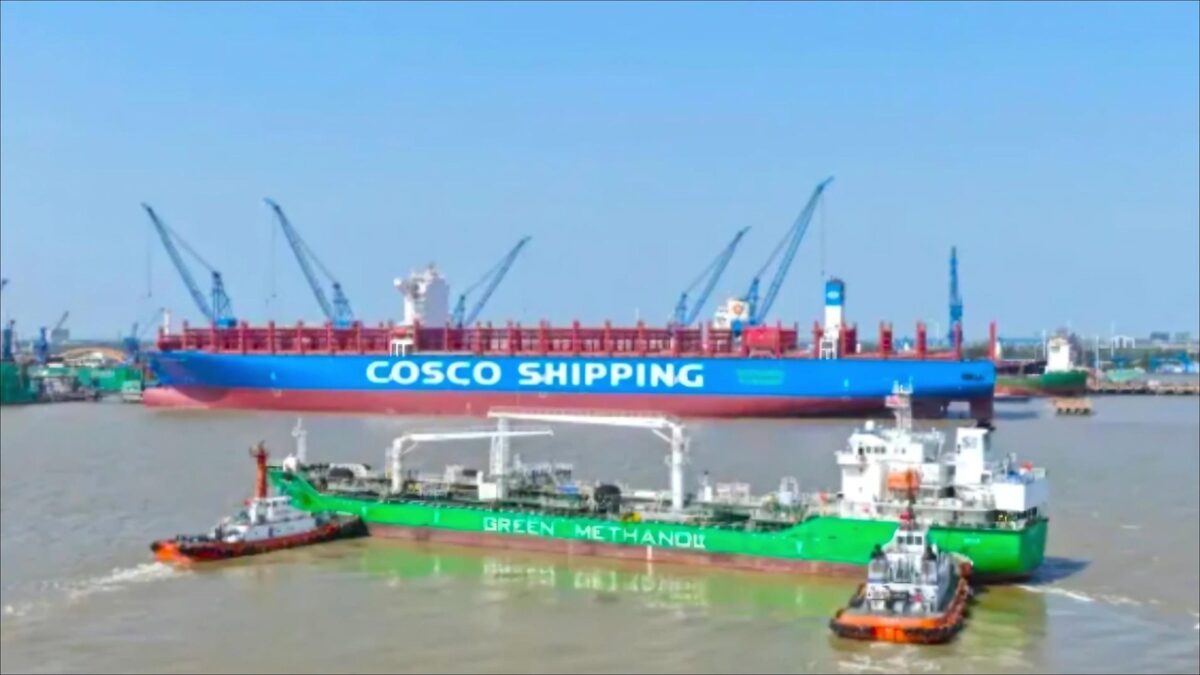
The maritime industry is witnessing a transformative shift towards environmental stewardship, with sustainable fuels at the forefront of this global movement. A significant milestone was recently achieved as a large-scale green methanol cargo was successfully loaded at VTTI’s Dalian terminal in Northeast China, destined for marine fuel supply in the bustling port city of Shanghai. This pivotal event not only marks a crucial step in decarbonizing shipping operations but also solidifies China’s growing influence in establishing robust supply chains for cleaner energy solutions within the global maritime sector. The arrival of this eco-friendly fuel in Shanghai is anticipated to power a new generation of methanol dual-fuel ships, underpinning the industry’s commitment to reducing greenhouse gas emissions and fostering a more sustainable future for ocean transport.
This landmark shipment represents more than just a logistical exercise; it symbolizes the first commercial vessel loading under a long-term green methanol storage and handling contract for VTTI, a leading player in energy infrastructure. The strategic importance of this operation extends beyond the immediate fuel delivery, positioning Northeast China as a vital logistics hub for sustainable marine fuels. Such initiatives are critical for building reliable and efficient infrastructure necessary to meet the escalating demand for alternative fuels. The successful loading and impending supply of this green methanol cargo underscore a collaborative effort between energy providers and the shipping industry to accelerate the transition away from conventional, high-carbon fuels, paving the way for a greener, more responsible maritime ecosystem. As the world increasingly seeks innovative solutions for climate change, this development in Shanghai offers a tangible example of progress in sustainable shipping practices.
A New Era for Sustainable Marine Fuel in Shanghai
Shanghai, one of the world’s busiest port cities, is poised to play an even more significant role in global sustainable shipping with the arrival of this substantial green methanol cargo. This development directly addresses the urgent need for cleaner marine fuels within major shipping lanes, offering a viable alternative to traditional bunker fuels. The strategic location of Shanghai as a key maritime gateway makes it an ideal hub for the adoption and distribution of sustainable energy solutions, influencing shipping operations across Asia and beyond. This milestone not only enhances Shanghai’s reputation as a progressive maritime center but also sets a precedent for other global ports to follow in their pursuit of environmental excellence.
The successful loading at VTTI’s Dalian terminal and subsequent delivery to Shanghai represents a crucial step in making green methanol widely available for commercial use. This move is particularly timely as the global shipping fleet sees a growing number of newbuilds and retrofits designed to run on alternative fuels like methanol. The readiness of infrastructure in key ports such as Shanghai is paramount for these vessels to operate efficiently and sustainably. Ensuring a consistent and reliable supply of green methanol is essential for shipping companies committed to meeting increasingly stringent environmental regulations and their own corporate sustainability goals.
This initiative underscores the complex logistical planning and significant investment required to establish new supply chains for low-carbon fuels. From production to bunkering, every stage of the process needs to be meticulously managed to guarantee efficiency and safety. The ability to handle large-scale green methanol deliveries positions Shanghai as a crucial node in the emerging global network for sustainable marine fuels, supporting the broader agenda of maritime decarbonization. The maritime sector’s shift towards greener alternatives is not merely an option but a necessity, and events like this demonstrate tangible progress.
The transition to sustainable marine fuels is a multifaceted challenge, involving technological innovation, policy support, and robust infrastructure. The successful deployment of this green methanol cargo in Shanghai is a testament to the collaborative efforts of various stakeholders, from fuel producers to port authorities and shipping lines. It signals a strong commitment to environmental stewardship and highlights the proactive steps being taken to mitigate the ecological footprint of global trade. The implications of such advancements are far-reaching, setting new benchmarks for environmental performance in the maritime industry and inspiring further innovation in sustainable fuel technologies.
VTTI’s Strategic Role in Green Methanol Supply Chains
VTTI, a leading independent energy storage provider, is demonstrating its strategic vision and commitment to sustainable infrastructure through its pivotal role in facilitating this green methanol cargo movement. Their Dalian terminal in Northeast China has been instrumental in this operation, serving as the loading point for the sustainable marine fuel. The terminal’s capabilities, designed to support evolving energy demands, are perfectly suited for handling the specialized requirements of green methanol. This engagement aligns with VTTI’s broader strategy to be at the forefront of sustainable infrastructure development, providing essential services for the energy transition.
The long-term green methanol storage and handling contract, under which this shipment was made, highlights VTTI’s foresight in securing future supply chains for cleaner marine fuels. As Janice Kuan, Senior Vice President Commercial at VTTI, articulated, “By supporting long-term green methanol storage and handling at VTTI Dalian, we are helping our partners build reliable supply chains for cleaner marine fuels while advancing VTTI’s strategy to lead in sustainable infrastructure.” This statement underscores the company’s dedication not just to facilitating current needs but also to investing in the future of sustainable energy logistics. Their strategic partnerships are vital for scaling up the availability and distribution of green methanol.
VTTI Dalian operates as an independent public terminal, a crucial asset for chemical producers and traders throughout Northeast China. Its state-of-the-art facilities include dedicated chemical storage, four jetties capable of accommodating vessels up to 50,000 DWT, and robust multimodal transport links. These capabilities are essential for the efficient distribution of sustainable fuels, ensuring that green methanol can be moved from production sites to bunkering locations with seamless integration. The terminal’s comprehensive infrastructure supports the complex logistics required for introducing new fuel types into the maritime ecosystem, offering a reliable backbone for the green shipping revolution.
Investing in such infrastructure is not merely a business decision for VTTI; it is a commitment to environmental responsibility and industry leadership. By enhancing its terminals to handle green methanol, VTTI is actively contributing to the decarbonization goals of the global shipping industry. Their facilities provide critical storage and handling solutions that are indispensable for the widespread adoption of alternative fuels, addressing one of the significant bottlenecks in the transition to sustainable maritime transport. The reliability and efficiency of such infrastructure are paramount for shipping companies to confidently invest in methanol-powered vessels.
The Growing Demand for Green Methanol in Shipping
Green methanol is rapidly emerging as a frontrunner among alternative marine fuels, driven by its potential to significantly reduce greenhouse gas emissions and its relatively mature production pathways. Unlike heavy fuel oil, green methanol combustion produces virtually no sulfur oxides (SOx) or particulate matter, and significantly lower nitrogen oxides (NOx) and carbon dioxide (CO2) emissions when produced from renewable sources. This makes it an attractive option for ship operators striving to comply with stringent environmental regulations set by organizations like the International Maritime Organization (IMO).
Demand for green methanol is being fueled by a growing number of orders for methanol dual-fuel ships, indicating a strong industry confidence in its long-term viability. Major shipping lines are investing heavily in these advanced vessels, which can operate on both conventional fuels and methanol, offering operational flexibility while committing to greener practices. The ability of these ships to switch between fuels provides a crucial bridge during the transition phase, as global green methanol production scales up and bunkering infrastructure becomes more widespread. This flexibility reduces risk for early adopters and accelerates the shift towards sustainable operations.
The previous delivery of 10,000 metric tons of methanol in Shanghai in 2025 foreshadowed the current large-scale green methanol cargo. This earlier shipment demonstrated the operational feasibility and the existing, albeit nascent, infrastructure for methanol bunkering in the port. Such prior experiences are invaluable in refining logistical processes and preparing for larger, more frequent deliveries of sustainable marine fuels. The progression from initial trials to commercial-scale operations underscores the accelerating pace of adoption within the industry.
Global decarbonization targets for the shipping industry are ambitious, and green methanol offers a practical and effective pathway to achieving these goals. Its chemical properties allow for relatively straightforward storage and handling compared to other alternative fuels like ammonia or hydrogen, which require more complex and costly infrastructure. Furthermore, existing bunkering technologies can be adapted for methanol, easing the transition for ports and vessels. This combination of environmental benefits, operational feasibility, and infrastructure compatibility positions green methanol as a cornerstone of the maritime sector’s sustainable future.
China’s Pivotal Role in the Green Shipping Revolution
China, as a global manufacturing powerhouse and a dominant force in international trade, holds a pivotal position in the ongoing green shipping revolution. Its vast network of ports, extensive shipbuilding capabilities, and proactive environmental policies make it an indispensable player in the development and deployment of sustainable marine fuels. The loading of green methanol at Dalian and its supply to Shanghai exemplify China’s growing commitment to fostering a greener maritime ecosystem, demonstrating leadership in practical decarbonization efforts within its borders and beyond. This strategic emphasis on sustainable logistics infrastructure further strengthens China’s influence in global environmental initiatives.
Northeast China, with its robust industrial base and strategic coastal locations, is rapidly emerging as a key logistics hub for sustainable fuels. This region possesses the industrial capacity and port infrastructure necessary to support the production, storage, and distribution of green methanol and other alternative fuels. The development of specialized terminals and supply chains in areas like Dalian is not just about meeting domestic demand; it’s about creating a regional nexus that can serve the broader Asian maritime market, driving forward the adoption of cleaner energy solutions across critical shipping lanes.
Government support and industrial initiatives in China are increasingly aligned with global environmental goals. Policies promoting the use of cleaner fuels and investment in green technologies are creating a favorable environment for the growth of sustainable shipping. This comprehensive approach, encompassing everything from shipbuilding to port operations and fuel supply, ensures that China is not only participating in the green shipping revolution but actively shaping its trajectory. The nation’s ability to scale up production and deployment of green technologies will be critical for global maritime decarbonization efforts.
The sheer volume of maritime traffic handled by Chinese ports means that any move towards sustainable fuels within the country has a magnified impact on global emissions. By investing in green methanol infrastructure and promoting its use, China is directly contributing to a reduction in the carbon footprint of international trade. This leadership sets a powerful example and encourages other nations and maritime stakeholders to accelerate their own transitions to more sustainable practices. The integration of advanced logistics and environmental mandates positions China as a powerful advocate for a cleaner, more sustainable future for the entire shipping industry.
Challenges and Opportunities in Developing Sustainable Marine Fuel Infrastructure
The journey towards a fully decarbonized shipping industry powered by sustainable fuels like green methanol is not without its challenges. One of the primary hurdles lies in scaling up the production of green methanol to meet the rapidly increasing demand. Currently, the global production capacity for truly green methanol (derived from renewable electricity and captured carbon or sustainable biomass) is limited. Expanding this capacity requires significant investment in renewable energy generation, carbon capture technologies, and biorefineries, which demands substantial capital and time. Ensuring the sustainability of the entire supply chain, from feedstock to final bunkering, is also paramount to avoid unintended environmental consequences.
Another significant challenge is the cost competitiveness of green methanol compared to traditional bunker fuels. While the long-term benefits of reduced emissions and compliance with regulations are clear, the upfront costs of producing and acquiring green methanol can be higher. This cost differential necessitates supportive policies, incentives, and carbon pricing mechanisms to level the playing field and encourage wider adoption. Collaborative efforts between governments, energy producers, and shipping companies are crucial to bridge this economic gap and make sustainable fuels a more attractive option for all stakeholders in the maritime value chain.
Despite these challenges, the opportunities presented by the development of sustainable marine fuel infrastructure are immense. The burgeoning market for green methanol is spurring innovation in fuel production technologies, storage solutions, and bunkering processes. This creates new industries, drives job creation, and fosters technological advancements that can benefit other sectors. Companies investing in this infrastructure are not only contributing to environmental protection but also positioning themselves as leaders in a rapidly evolving energy landscape, securing a competitive advantage in the future of maritime transport.
Furthermore, the development of robust green methanol supply chains can enhance energy security for maritime nations by diversifying fuel sources away from traditional fossil fuels. This reduces reliance on volatile global oil markets and promotes greater self-sufficiency in energy provision. The long-term environmental and economic benefits, including improved air quality in port cities and reduced climate impact, far outweigh the initial investment and transitional challenges. This holistic approach ensures that the shift to sustainable marine fuels brings about comprehensive positive change.
The successful loading of the green methanol cargo for marine fuel supply in Shanghai is more than just a logistical triumph; it is a clear signal of the maritime industry’s unwavering commitment to sustainability and decarbonization. As VTTI and its partners continue to build and expand the necessary infrastructure, the vision of a cleaner, greener future for global shipping moves closer to reality. This event in China serves as an inspiring example of how strategic investments, technological innovation, and collaborative efforts can accelerate the transition to sustainable marine fuels, paving the way for a truly eco-friendly global trade network. The continued development of such initiatives will be critical in achieving the ambitious environmental targets set for the coming decades, ensuring a healthier planet for future generations while sustaining global commerce.