Brazil’s Trade Boom: Maersk, Rivals & Port Growth | Mariner News
Brazil’s dynamic economic landscape is currently experiencing a significant transformation, driven by robust new trade flows and strategic infrastructure development. This surge in maritime activity is not only benefiting global shipping giants like Maersk and its rivals but is fundamentally reshaping the nation’s position in international commerce. The growth, particularly pronounced in Northeastern Brazil, is creating fresh avenues for goods movement, attracting substantial investments, and reinforcing the country’s logistical capabilities. This pivotal moment underscores a broader trend of enhanced connectivity and efficiency across `Brazil’s trade infrastructure`.
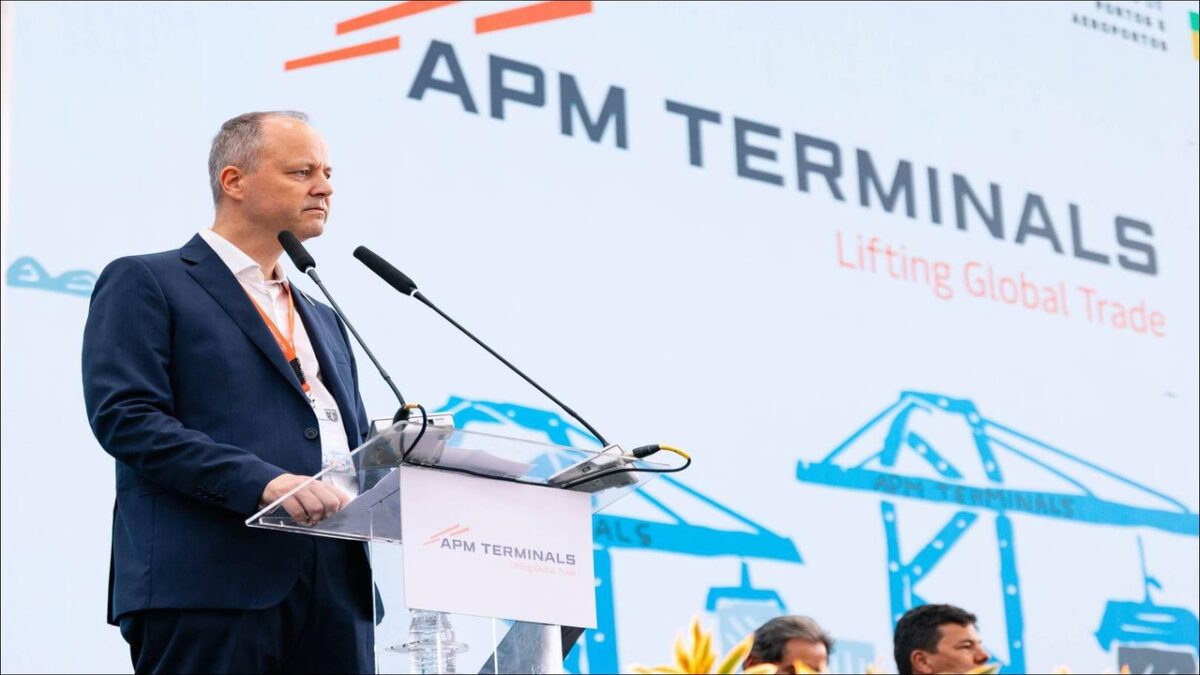
The strategic importance of direct calls by large container ships from key global markets such as Asia, the US, and Europe cannot be overstated. These direct routes are a clear indicator of burgeoning economic activity and improved `shipping capabilities in Brazil`. Daniel Rose, CEO of APM Terminals Suape and Pecém, two vital ports in Northeastern Brazil, highlights this development, noting that the increased vessel calls are a direct response to a burgeoning regional economy. Such direct access minimizes transit times and logistical complexities, offering a competitive advantage to Brazilian exporters and importers alike.
Investments in `port development Brazil` are at the heart of this expansion. Modernized port facilities with deeper drafts, advanced handling equipment, and expanded storage capacities are crucial for accommodating the larger vessels that now serve these routes. This infrastructure enhancement is not just about moving more cargo; it’s about moving it more efficiently and cost-effectively, integrating Brazil more deeply into global supply chains. The commitment to upgrading these maritime gateways demonstrates a forward-looking approach to sustaining economic growth and enhancing `Brazil’s overall logistics performance`.
Brazil’s Surging Trade Routes and Port Development
The direct navigation of ships from major economic powerhouses like Asia, the United States, and Europe directly into Brazilian ports signifies a maturation of `Brazil’s trade routes`. These dedicated services streamline the export and import processes, drastically cutting down on lead times and reducing the cost burden associated with transshipment. Such direct connectivity is a testament to the increasing volume and value of goods flowing in and out of the nation, reflecting a healthy and expanding economic base.
Infrastructure improvements are the bedrock supporting these enhanced `trade flows Brazil`. Ports like Suape and Pecém have seen significant investments in their terminal operations, including new berths, state-of-the-art cranes, and expanded container yards. These upgrades are not merely incremental; they represent a strategic overhaul designed to future-proof Brazil’s maritime capabilities and ensure its ability to handle the next generation of mega-ships. This commitment to advanced `maritime infrastructure` directly supports the ambitions of `Maersk and its rivals` to offer unparalleled service quality.
Moreover, the insights from leaders like Daniel Rose underscore the localized impact of these global changes. His observation about the sustained growth in Northeastern Brazil, which is outstripping national averages, highlights the emergence of new economic hubs. These regions, previously underserved by direct international shipping, are now directly linked to major markets, unlocking immense potential for local industries and fostering regional economic diversification. This concentrated growth demonstrates the positive feedback loop between infrastructure, trade, and regional prosperity.
Northeastern Brazil: Cultivating a New Export Powerhouse
Northeastern Brazil is rapidly solidifying its reputation as a burgeoning agricultural export powerhouse. The region’s diverse climate and fertile lands are perfectly suited for cultivating a wide array of high-value fruits, driving a significant portion of the country’s fresh produce exports. Daniel Rose proudly notes the seasonal consistency: “As soon as the Spanish and Italian seasons end, we begin exporting mangoes, grapes, watermelons, and cantaloupes. The season runs from August to January,” showcasing a strategic alignment with global market demands.
These `Brazilian exports` are not just commodities; they represent a significant boost to local economies and provide vital foreign exchange earnings for the nation. The consistent flow of premium fruits to international markets, facilitated by efficient `container shipping Brazil`, underscores the effectiveness of the region’s agricultural supply chain. From farm to port, meticulous planning and advanced `cold chain logistics` ensure that produce arrives fresh and in optimal condition, meeting stringent international quality standards.
The expansion of this export sector also generates considerable employment opportunities in agricultural production, processing, and transportation. This creates a virtuous cycle where increased trade supports local livelihoods, which in turn fuels further investment in both agriculture and `logistics infrastructure Brazil`. The ability to consistently supply global markets during specific windows also positions Northeastern Brazil as a reliable and critical player in the global food supply chain, enhancing its competitive edge.
Maersk and Rivals: Navigating Brazil’s Competitive Maritime Landscape
The invigorated `Brazilian shipping market` has intensified competition among global `ocean carriers`, including industry leader `Maersk Brazil` and its formidable rivals. This heightened competition is a powerful catalyst for innovation and efficiency, as each player strives to capture market share by offering superior services, competitive pricing, and more comprehensive logistics solutions. The outcome is a net positive for shippers, who benefit from a broader range of options and enhanced service levels.
Maersk, recognizing the strategic importance of this burgeoning market, has made significant investments in `Brazil’s logistics infrastructure`, including terminal operations and integrated end-to-end solutions. These investments aim to strengthen its network, improve service reliability, and cater to the evolving needs of Brazilian businesses. By offering seamless `supply chain Brazil` management, Maersk seeks to differentiate itself in a crowded and competitive field.
Conversely, `Maersk’s rivals in Brazil`, such as MSC, CMA CGM, Hapag-Lloyd, and others, are equally committed to expanding their presence and capabilities. They are investing in new vessel services, enhancing port calls, and developing bespoke logistics services tailored to the specific demands of Brazilian industries. This robust competitive environment drives continuous improvement, pushing all `shipping lines in Brazil` to innovate in areas like digitalization, sustainability, and customer service. The overall effect is a more sophisticated and responsive `maritime logistics` ecosystem.
Strategic Port Infrastructure: The Backbone of Brazilian Trade
The strategic upgrade of `ports in Brazil` is undeniably the backbone supporting the nation’s burgeoning trade ambitions. Modernization efforts encompass a wide range of improvements, from deepening access channels and expanding turning basins to installing advanced gantry cranes capable of handling the largest container vessels. These technical enhancements are critical for improving port efficiency, reducing vessel turnaround times, and increasing overall cargo throughput, thus directly impacting `Brazil’s trade capacity`.
Key terminals like APM Terminals Suape and Pecém exemplify this commitment. Their strategic locations in Northeastern Brazil provide direct access to key agricultural regions and emerging industrial zones, creating vital linkages between production centers and global markets. The ongoing investments by `APM Terminals Brazil` in these facilities are a clear signal of long-term confidence in the region’s economic potential and its role in `global supply chains`. These ports are not merely points of transfer but integral components of a complex `logistics network`.
Beyond the physical infrastructure, there’s also a focus on operational excellence and digital integration. Implementing smart port technologies, optimizing cargo flow, and streamlining customs procedures are equally important for maximizing the benefits of these investments. These initiatives enhance the overall attractiveness of `Brazilian ports` for international trade, making them more competitive and reliable. The continuous evolution of `port development Brazil` is instrumental in solidifying the country’s position as a major player in global maritime commerce.
Economic Ripple Effects and the Future of Brazilian Logistics
The ripple effects of these enhanced `trade flows Brazil` and infrastructure improvements extend far beyond the maritime sector, stimulating broader economic growth across the nation. Increased export volumes translate into higher foreign exchange earnings, strengthening Brazil’s economic resilience. This surge also encourages further investment in productive sectors, fostering industrial development and job creation in related industries, from agriculture to manufacturing and services.
Looking ahead, the future of `Brazilian logistics` appears exceptionally promising. The continued commitment to `port development`, coupled with an increasing focus on digitalization and sustainability, will ensure that Brazil remains competitive on the global stage. While challenges such as environmental regulations, land-side infrastructure bottlenecks, and geopolitical shifts will persist, the proactive strategies adopted by `Maersk and its rivals` indicate a strong industry drive towards overcoming these hurdles.
Brazil’s strategic geographical location, coupled with its vast natural resources and growing industrial base, positions it favorably for continued expansion in `global trade`. The ongoing modernization of its `container shipping Brazil` capabilities and associated logistics networks will be pivotal in unlocking its full potential. This comprehensive approach to strengthening its `mariner infrastructure` ensures that Brazil is not just participating in global trade but actively shaping its future trajectory, benefiting countless businesses and communities for years to come.
In conclusion, the confluence of new `trade flows` and significant `infrastructure investments` is unleashing unprecedented growth for `Maersk and its rivals in Brazil`. Northeastern Brazil, in particular, stands out as a vibrant hub for agricultural exports, supported by a robust network of modern `ports and logistics` services. This transformation is not only enhancing the efficiency of `Brazilian shipping` but also creating substantial economic opportunities and solidifying the nation’s strategic importance in the global maritime industry. The future of `Brazil’s trade and logistics` landscape shines brightly, promising continued expansion and prosperity.