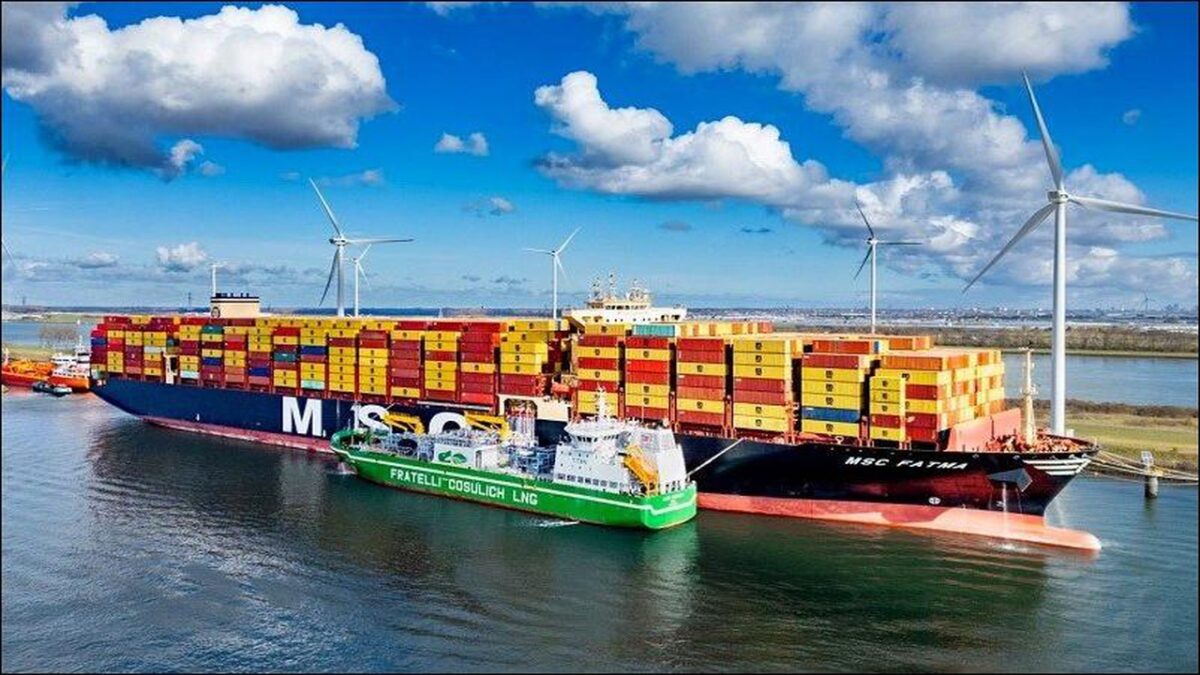
Titan Bunkers MSC Boxship with LNG in Rotterdam | Mariner News
In a significant stride towards sustainable maritime operations, Titan Bunkers MSC Boxship with LNG in Rotterdam, reinforcing the Port of Rotterdam’s position as a pivotal hub for cleaner marine fuel solutions. This landmark operation, involving the supply of Liquefied Natural Gas (LNG) to a major container vessel, underscores the industry’s accelerating commitment to environmental stewardship and decarbonization. The strategic collaboration between Titan Clean Fuels and MSC, facilitated by advanced bunkering infrastructure, highlights a critical pathway for the global shipping industry to adopt more ecologically sound practices. As global regulations tighten and the demand for greener logistics intensifies, the role of LNG as a transitional fuel becomes increasingly vital, driving innovation and investment across the maritime supply chain.
This event is not merely a routine fuel transfer; it symbolizes a broader shift in how the shipping world perceives and procures its energy. By choosing LNG, MSC is actively participating in reducing its environmental footprint, aligning with international climate goals. For Titan Clean Fuels, a prominent LNG bunker supplier, this operation further solidifies their expertise and capacity in delivering advanced, low-emission fuels to an ever-growing fleet of LNG-powered vessels. The port of Rotterdam, with its state-of-the-art facilities and strategic geographic location, continues to play an indispensable role in pioneering these sustainable maritime transitions, setting a benchmark for other global ports to follow in the journey toward a cleaner, more efficient shipping future.
Landmark LNG Bunkering Operation Powers Container Shipping
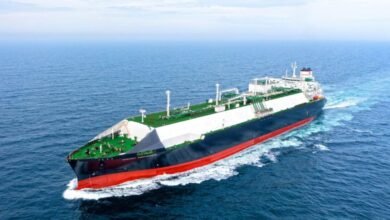
The operation saw the MSC Viola, a modern container ship operated by shipping giant MSC, successfully receive LNG bunkers. This crucial ship-to-ship bunkering was carried out by the LNG bunker vessel United LNG I, chartered by Titan Clean Fuels. The precision and safety of this transfer, conducted within the bustling environment of the Port of Rotterdam, speak volumes about the advanced capabilities and stringent operational standards employed by all parties involved. Such sophisticated logistics are essential for supporting the rapid adoption of LNG as a marine fuel across the high-volume container shipping sector.
Titan Clean Fuels strategically chartered the 8,000 cubic meter capacity LNG bunker vessel, United LNG I, in May, specifically to enhance its bunkering capabilities within the ARA (Amsterdam-Rotterdam-Antwerp) region and Zeebrugge. This foresight ensures robust supply chain resilience and flexibility, crucial for meeting the escalating demand for LNG bunkering services from major shipping lines. The vessel, owned by Somtralux and expertly operated by United Bunkers, is a key asset in Titan’s growing fleet, allowing them to efficiently service large container vessels like the MSC Viola.
This successful bunkering highlights the maturity of LNG as a viable marine fuel and the established infrastructure supporting its distribution. It demonstrates that the challenges of integrating new fuel types into complex port operations are being effectively overcome through collaborative efforts and technological advancements. The seamless execution of such large-scale bunkering operations reinforces confidence in LNG as a reliable and accessible fuel source for the modern maritime industry, paving the way for further expansion and adoption.
Driving Sustainable Shipping with Cleaner Marine Fuels
One of the primary drivers behind the maritime industry’s pivot to LNG is its significant environmental benefits compared to conventional heavy fuel oil. LNG combustion substantially reduces emissions of sulfur oxides (SOx) by virtually 100%, nitrogen oxides (NOx) by up to 85%, and particulate matter by almost 100%. Furthermore, it offers a notable reduction in greenhouse gas (GHG) emissions, including CO2, by 15-25% on a well-to-wake basis, contributing directly to global climate action targets and fostering a greener shipping ecosystem.
These emission reductions are critical for compliance with increasingly strict international maritime regulations, such as those set by the International Maritime Organization (IMO). As the industry navigates a complex regulatory landscape aimed at decarbonization, LNG presents a pragmatic and immediately available solution. Its widespread availability and proven track record make it an attractive option for shipowners and operators looking to invest in more sustainable vessel technologies without compromising operational efficiency or reliability.
Beyond regulatory compliance, the adoption of LNG-fueled vessels aligns with broader corporate sustainability goals and consumer demand for environmentally responsible logistics. Shipping companies that embrace cleaner fuels enhance their brand reputation, attract eco-conscious clients, and contribute positively to cleaner air quality in port cities and along critical shipping lanes. This shift is integral to creating a more sustainable future for global trade and safeguarding marine ecosystems for generations to come.
Titan Clean Fuels: Pioneering LNG Bunkering Infrastructure
Titan Clean Fuels has firmly established itself as a frontrunner in the specialized field of LNG bunkering. Their strategic vision involves building a robust and efficient supply network capable of serving the rapidly expanding fleet of LNG-powered vessels. The addition of the United LNG I to their operational charter fleet is a testament to this commitment, bolstering their capacity to execute complex, large-scale bunkering operations across key European maritime trade arteries.
Operating extensively in the strategically important ARA region and Zeebrugge, Titan plays a crucial role in enabling reliable access to LNG for a diverse range of maritime clients, from container ships to tankers and cruise vessels. Their meticulous planning and execution in ship-to-ship transfers minimize downtime for vessels, ensuring that global supply chains remain fluid and efficient. This focus on operational excellence and reliability is paramount for encouraging greater adoption of LNG as the fuel of choice.
The company’s expertise extends beyond simply supplying fuel; it encompasses a deep understanding of the entire LNG value chain, from procurement to final delivery. This holistic approach, combined with their continuous investment in state-of-the-art bunkering vessels and infrastructure, positions Titan Clean Fuels at the forefront of the maritime energy transition. Their dedication to scaling up LNG bunkering solutions is instrumental in creating a more sustainable and economically viable future for the international shipping industry.
MSC’s Commitment to Cleaner Container Transport Solutions
MSC (Mediterranean Shipping Company), as one of the world’s largest container shipping lines, plays a pivotal role in driving the maritime industry’s transition towards cleaner fuels. Their decision to invest in and operate LNG-fueled vessels, exemplified by the MSC Viola, demonstrates a clear and tangible commitment to reducing their environmental impact and embracing sustainable shipping practices. This strategic investment reflects a proactive approach to environmental stewardship within the highly competitive container transport sector.
By incorporating LNG into their fleet, MSC is not only complying with current and future environmental regulations but also setting a precedent for other major carriers. Their actions contribute significantly to accelerating the overall decarbonization efforts within global logistics. This commitment extends beyond individual vessel bunkering, influencing broader supply chain decisions and encouraging partners and ports to adapt and evolve their services to support cleaner operations.
The deployment of LNG-fueled container ships like the MSC Viola is a critical component of MSC’s long-term sustainability strategy. It underscores their dedication to exploring and implementing innovative technologies that mitigate climate change impacts while maintaining the efficiency and reliability essential for global trade. Such initiatives by industry leaders are instrumental in driving systemic change and fostering a collective movement towards a more environmentally responsible future for container shipping and beyond.
The Future Landscape of Maritime Fuels and Port Services
The successful LNG bunkering of the MSC Boxship in Rotterdam offers a glimpse into the future of maritime fuels and port services. As the shipping industry continues its journey towards net-zero emissions, the evolution of bunkering infrastructure and the availability of diverse clean fuel options will be paramount. While LNG serves as a crucial bridge fuel, ongoing research and development into alternative fuels like bio-LNG, synthetic LNG, methanol, ammonia, and hydrogen will shape the long-term energy landscape.
Ports like Rotterdam are investing heavily in becoming multi-fuel hubs, capable of handling a spectrum of low-carbon and zero-carbon fuels. This transformation requires significant capital investment, technological innovation, and regulatory adaptation. The collaborative efforts between port authorities, fuel suppliers, and shipping lines are essential for creating the robust ecosystems needed to support these next-generation fuels, ensuring both safety and efficiency in their deployment.
The increasing demand for sustainable maritime solutions will undoubtedly drive further innovation in vessel design, propulsion systems, and fuel storage technologies. The maritime industry’s journey towards full decarbonization is complex, requiring a phased approach where fuels like LNG play an immediate, impactful role while paving the way for even greener alternatives. The consistent growth in LNG bunkering operations, exemplified by Titan’s work in Rotterdam, is a clear indicator of this progressive and irreversible shift.
In conclusion, the successful LNG bunkering of the MSC Viola by Titan Clean Fuels in Rotterdam represents a significant milestone in the maritime industry’s ongoing transition to cleaner energy. It showcases the operational viability of LNG as a sustainable marine fuel, the critical role of advanced bunkering infrastructure, and the unwavering commitment of leading shipping companies like MSC to environmental responsibility. This event not only reinforces Rotterdam’s status as a leading maritime energy hub but also propels the entire shipping sector closer to its ambitious decarbonization goals, ensuring a more sustainable and environmentally conscious future for global trade and transport.