DHL Forecasts 5% Asia Logistics Growth by 2026 | Mariner News
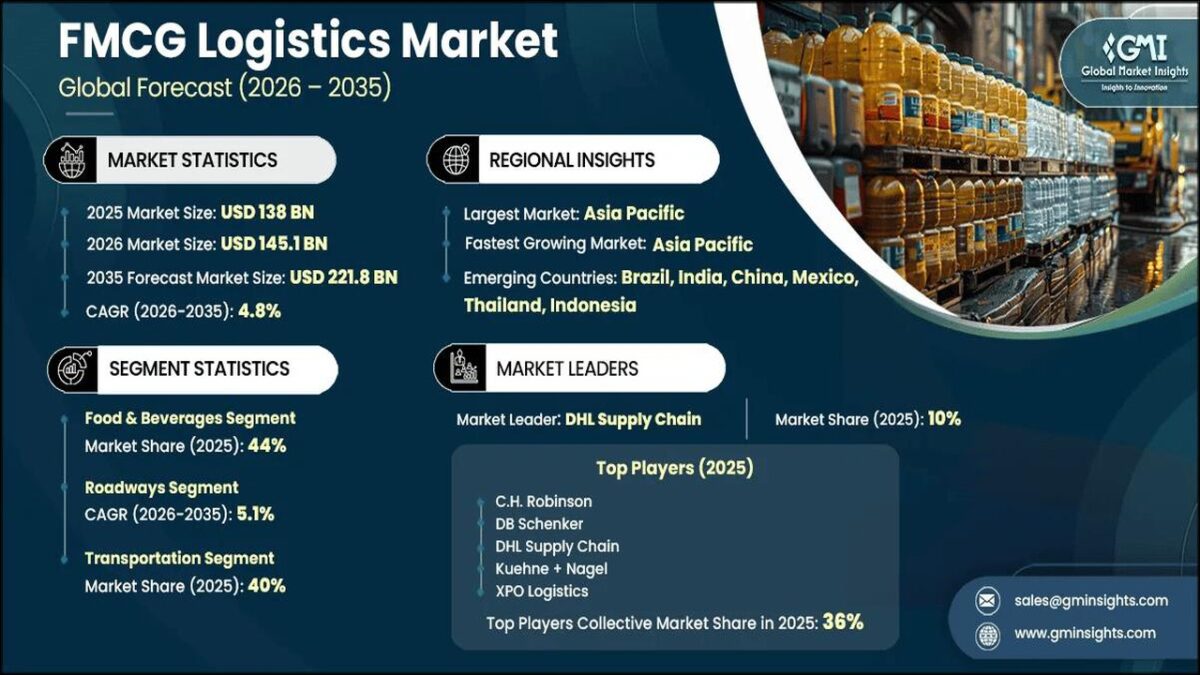
A recent announcement from a DHL executive has set an optimistic tone for the regional economy, with expectations of robust DHL Asia growth of up to 5% for the remainder of 2026. This projection underscores Asia’s continued dynamism as a global economic powerhouse and a critical hub for international trade and logistics. The forecast signals a period of sustained expansion for express delivery services, freight forwarding, and the broader supply chain infrastructure across the continent, driven by a confluence of factors ranging from booming e-commerce to strategic regional trade agreements. Understanding the nuances of this projected Asian logistics growth requires a deep dive into the underlying economic trends, consumer behavior shifts, and strategic investments by industry leaders like DHL.
This anticipated expansion is not merely a rebound but a testament to Asia’s fundamental economic strengths and its pivotal role in shaping global commerce. The region, with its diverse economies and rapidly expanding consumer base, continues to be a magnet for investment and a hotbed for logistical innovation. DHL’s leadership, by articulating such a clear vision for DHL growth 2026, provides valuable insight into the future trajectory of global supply chains and highlights the increasing importance of agile, resilient, and technologically advanced logistics networks.
Driving Forces Behind Asia’s Logistics Boom
Several powerful forces are converging to fuel this impressive Asian logistics growth. One of the most significant is the relentless expansion of e-commerce. Online retail continues to thrive across Asia, propelled by a young, digitally savvy population and increasing internet penetration. This boom generates immense demand for efficient last-mile delivery, warehousing, and cross-border shipping, directly benefiting express logistics providers. The convenience of online shopping, further accelerated by the pandemic, has fundamentally altered consumer purchasing habits, making robust and reliable delivery services indispensable.
Another crucial factor is the rise of intra-Asia trade. Regional trade agreements, such as the Regional Comprehensive Economic Partnership (RCEP), are reducing tariffs and streamlining customs procedures, making it easier and more cost-effective for goods to move between Asian nations. This creates intricate regional supply chains, decreasing reliance on distant markets and fostering a more integrated economic bloc. The diversification of manufacturing bases within Asia, often referred to as ‘China plus one’ strategies, also contributes to this surge in regional freight forwarding, as companies seek to build more resilient and distributed production networks. Investment in infrastructure, including new ports, expanded airports, and improved road and rail networks, further lubricates the wheels of commerce, enabling faster and more efficient movement of goods across vast distances.
Technological advancements also play a pivotal role. The adoption of automation, artificial intelligence, and data analytics in logistics operations is enhancing efficiency, reducing costs, and improving service levels. From automated sortation centers to AI-powered route optimization and predictive analytics for inventory management, technology is transforming every aspect of the supply chain. These innovations not only support the increased volume but also enable logistics providers to offer more specialized and tailored solutions, catering to the evolving demands of various industries and customer segments.
DHL’s Strategic Position and Investments in Asia
DHL, as a leading global logistics provider, is strategically positioned to capitalize on this forecasted DHL Asia growth. The company has consistently demonstrated a commitment to investing heavily in its Asian network, recognizing the region’s immense potential. This includes expanding its air and ground freight capabilities, developing state-of-the-art logistics hubs, and enhancing its last-mile delivery infrastructure, particularly in burgeoning urban centers and remote areas.
These investments are multifaceted, encompassing not just physical assets but also digital transformation initiatives. DHL is leveraging advanced technologies to improve visibility across its supply chains, optimize operational efficiency, and provide superior customer experiences. The focus on digitalization extends to implementing smart warehousing solutions, predictive maintenance for its fleet, and advanced tracking systems that offer real-time updates to customers, fostering transparency and trust. Such strategic foresight ensures that DHL remains at the forefront of the logistics outlook Asia, ready to meet the demands of an ever-evolving market.
Furthermore, DHL’s commitment to sustainability is becoming an increasingly important aspect of its strategy in Asia. As environmental concerns gain prominence, customers and regulators are demanding greener logistics solutions. DHL is responding by investing in sustainable transport options, optimizing routes to reduce fuel consumption, and exploring alternative fuels and electric vehicles for its delivery fleet. This not only aligns with global environmental goals but also enhances DHL’s brand reputation and competitive edge in a market where corporate social responsibility is increasingly valued.
By diversifying its service offerings to include specialized solutions for sectors such as life sciences, automotive, and technology, DHL is further solidifying its market presence. This ability to provide tailored, industry-specific logistics solutions, combined with its extensive global network and local expertise, positions DHL as a preferred partner for businesses looking to expand their footprint across Asia and beyond. The strategic emphasis on both breadth and depth of service ensures that the company can cater to the complex and varied needs of its clientele, driving continued DHL growth 2026.
Navigating Challenges and Seizing Opportunities
While the outlook for Asian logistics growth is largely positive, it is not without its challenges. Geopolitical tensions, potential trade disputes, and economic volatility in certain markets could introduce uncertainties. Inflationary pressures and rising operational costs, including fuel and labor, also pose ongoing concerns for the logistics sector. Furthermore, the industry faces persistent labor shortages, particularly for skilled workers and delivery personnel, necessitating innovative approaches to talent acquisition and retention.
Despite these hurdles, the opportunities in Asia remain immense. The continued rise of a burgeoning middle class across the continent translates into increased purchasing power and demand for both domestic and international goods. Emerging markets in Southeast Asia, such as Vietnam, Indonesia, and the Philippines, present significant untapped potential for further logistics expansion. These countries are experiencing rapid urbanization and industrialization, creating new demands for everything from raw material transport to finished goods distribution.
Moreover, the trend towards supply chain resilience, driven by recent global disruptions, encourages companies to diversify their sourcing and manufacturing locations, often within Asia itself. This shift creates new corridors of trade and necessitates more agile and adaptable logistics networks. DHL’s ability to offer flexible solutions, including warehousing, inventory management, and multi-modal transport options, positions it well to support businesses navigating these evolving supply chain strategies. The ongoing digital transformation across industries also presents an opportunity for logistics providers to integrate their services more deeply with customers’ operations, fostering stronger partnerships and creating value beyond simple transportation.
In conclusion, the DHL executive’s projection of up to 5% DHL Asia growth through 2026 is a robust indicator of the region’s economic vitality and the critical role of logistics in sustaining this momentum. Fueled by e-commerce, intra-Asia trade, and technological advancements, the Asian logistics growth trajectory appears strong. While challenges persist, strategic investments by companies like DHL in infrastructure, technology, and sustainable practices are paving the way for a dynamic and resilient future. Asia remains at the heart of global trade, and its logistics sector is poised for continued expansion, promising new opportunities and shaping the landscape of international commerce for years to come.