Kickster Reports Widespread FuelEU Pooling Adoption | Mariner News
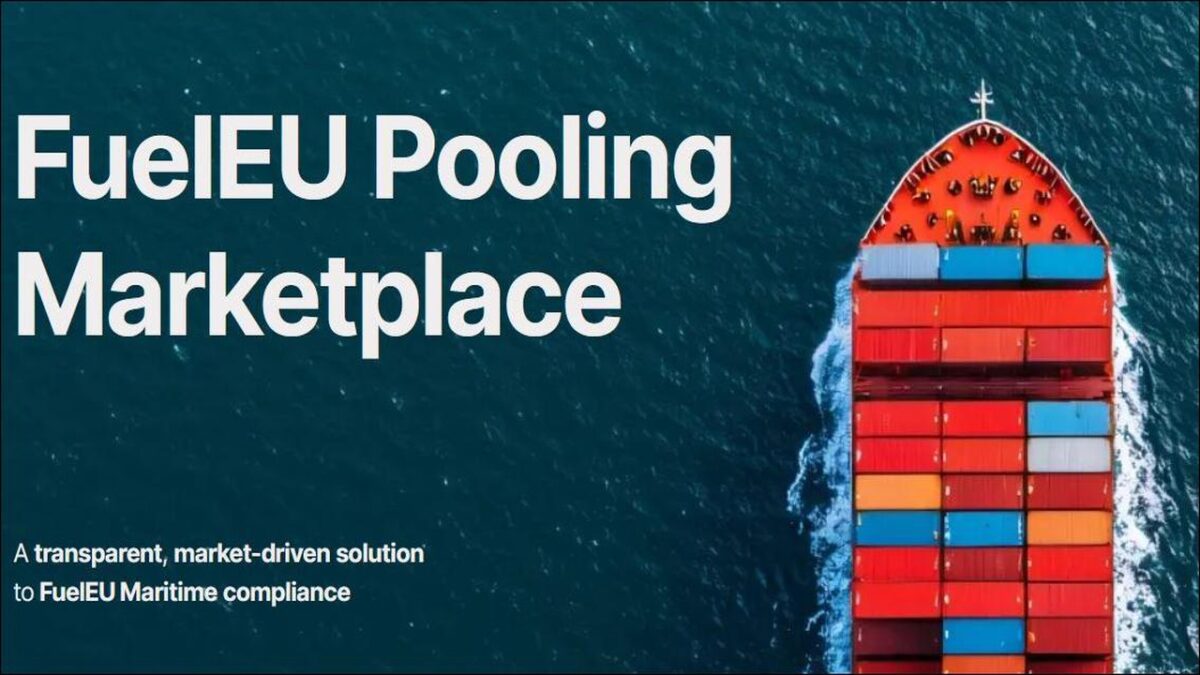
The maritime sector is currently undergoing a significant transformation driven by stringent environmental regulations, with FuelEU Pooling emerging as a cornerstone of compliance strategy. Recent groundbreaking reports from the prominent consultancy, Kickster, highlight an astonishing 90% adoption rate of this innovative mechanism within its inaugural compliance cycle. This widespread engagement signals a pivotal shift in how the global shipping industry approaches its decarbonization targets and manages carbon intensity limits set by the FuelEU Maritime regulation. The rapid embrace of pooling underscores the industry’s proactive efforts to adapt to new environmental standards, indicating a strong commitment to sustainable shipping practices and operational efficiency in the face of evolving regulatory landscapes.
The Transformative Impact of FuelEU Pooling Adoption
Kickster’s revelation that nearly 90% of vessels utilized the FuelEU Maritime regulation’s pooling mechanism during its initial compliance cycle is more than just a statistic; it represents a monumental leap in the shipping industry’s journey towards decarbonization. This unprecedented level of adoption underscores the practical necessity and strategic flexibility that the pooling mechanism offers to vessel operators navigating complex new environmental mandates. By allowing vessel owners to balance the emissions performance of their entire fleet, rather than individual ships, pooling provides a crucial lifeline for diverse shipping portfolios, optimizing compliance costs and fostering fleet-wide sustainability.
This high adoption rate validates the European Union’s forward-thinking approach to maritime decarbonization, showcasing that the industry is not merely reacting to regulations but actively integrating them into core operational strategies. For shipowners, FuelEU Pooling offers a tangible pathway to meet ambitious carbon intensity targets without overhauling every single vessel immediately. It enables a phased, strategic investment in cleaner technologies and fuels, ensuring a smoother transition for the entire fleet while still contributing significantly to overall emissions reduction goals. This mechanism fundamentally reshapes how maritime companies view their environmental responsibilities, moving towards a more holistic and integrated approach to compliance.
The widespread engagement with FuelEU Pooling also highlights a growing consensus within the maritime sector regarding the urgency of climate action. It suggests that companies are not just seeking to avoid penalties but are actively leveraging compliance mechanisms to gain competitive advantages and enhance their environmental stewardship credentials. Kickster’s insights provide invaluable data for policymakers, confirming the effectiveness of flexible market-based mechanisms in driving widespread behavioral change across a complex global industry. This early success sets a powerful precedent for future environmental regulations, demonstrating that robust, yet adaptable, frameworks can indeed achieve ambitious sustainability objectives.
Deciphering FuelEU Maritime: A Deep Dive into Regulation and Compliance
FuelEU Maritime, which officially commenced in 2025, represents a cornerstone of the European Union’s comprehensive strategy to significantly reduce greenhouse gas emissions from the shipping sector. This pivotal regulation mandates progressively stricter limits on the carbon intensity of marine fuels used by vessels calling at EU ports, aiming to steer the industry towards cleaner, more sustainable energy sources. The regulation’s core objective is not just to penalize non-compliance but to actively incentivize innovation and investment in advanced biofuels, e-fuels, and other low-carbon propulsion technologies.
At the heart of FuelEU Maritime’s design is the innovative pooling mechanism, an ingenious solution for fleet-wide compliance. This mechanism permits shipping companies to aggregate the compliance balances of multiple vessels within their fleet. Essentially, a vessel that outperforms its carbon intensity target, generating a ‘compliance surplus,’ can transfer that surplus to offset the ‘compliance deficit’ of another vessel within the same pool. This flexibility is particularly advantageous for operators managing diverse fleets, allowing them to optimize their compliance efforts across a range of ship types and operational profiles.
The implementation of FuelEU Maritime involves a rigorous reporting and verification process. Between January and March 2026, the European Commission and the European Maritime Safety Agency (EMSA) meticulously verified over 13,000 FuelEU reports, a testament to the extensive data collection and analysis required. By the end of April, an impressive milestone was reached: more than 12,000 compliance balance reports, encompassing over 90% of the active fleet, were verified as satisfactory. This high verification rate underscores the industry’s dedication to transparency and adherence to the new environmental benchmarks, reinforcing the credibility and impact of FuelEU Maritime in fostering a greener shipping ecosystem.
Kickster’s Comprehensive Assessment: Unpacking Vessel Readiness and Data Insights
Beyond merely tracking adoption rates, Kickster conducted a thorough independent assessment of vessel readiness for FuelEU Maritime, utilizing publicly available EU emissions data to provide a granular understanding of the industry’s position. This comprehensive analysis involved sifting through vast amounts of data from the EU’s Monitoring, Reporting and Verification (MRV) database, focusing on a robust dataset of 8,973 vessels after meticulously removing incomplete records and statistical outliers. This rigorous methodology ensures that Kickster’s findings are both credible and representative of the actual state of the European shipping fleet.
The consultancy’s findings offer critical insights into the varying levels of preparedness across the fleet. Their analysis revealed that a substantial 40.3% of the analyzed vessels fell into an estimated compliance surplus category, indicating that these ships were already operating below the mandated carbon intensity limits or had effectively utilized pooling to achieve a positive balance. This segment demonstrates strong proactive engagement and potential for leadership in sustainable maritime operations, possibly benefiting from early investments in efficient technologies or cleaner fuels. These vessels not only meet the regulatory requirements but also have the potential to contribute their surplus to other vessels, further driving fleet-wide compliance.
Furthermore, Kickster’s assessment identified that 19.2% of the vessels were operating close to balance, suggesting they were either just meeting the targets or had a minimal deficit that could be easily managed. This group represents a critical segment that can readily optimize their operations or make minor adjustments to achieve full compliance and potentially contribute to the pooling mechanism. The remaining vessels, while not explicitly detailed in the initial findings, would likely represent those facing compliance deficits, necessitating more significant operational or technological changes. Kickster’s detailed data analysis serves as a vital tool for shipowners and policymakers alike, offering a clear roadmap for identifying areas of strength and areas requiring further intervention within the complex landscape of maritime decarbonization.
Strategic Implications for the Global Shipping Industry
The widespread adoption of FuelEU Pooling and the detailed insights from Kickster’s assessment carry profound strategic implications for the global shipping industry. For vessel operators and fleet managers, these developments necessitate a fundamental re-evaluation of long-term investment strategies. The emphasis will increasingly shift towards acquiring or retrofitting vessels with lower carbon intensity profiles, including exploring dual-fuel engines, advanced energy efficiency technologies, and potentially investing in alternative fuels such as green methanol, ammonia, or hydrogen, when commercially viable. Such strategic shifts are crucial not only for compliance but also for maintaining competitiveness in a rapidly evolving market.
Operational planning must also adapt to leverage the benefits of FuelEU Pooling. Companies with diversified fleets can strategically optimize their vessel deployment and fuel procurement to maximize compliance surpluses where possible and effectively manage deficits. This might involve dynamic route planning, speed optimization, and even strategic bunkering choices. Data analytics will play an even more central role, enabling detailed monitoring of emissions, forecasting compliance balances, and making informed decisions to ensure fleet-wide adherence to FuelEU Maritime targets. Early movers in this data-driven approach are likely to gain a significant advantage in the competitive landscape of sustainable shipping.
Beyond direct compliance, the industry’s embrace of FuelEU Pooling also influences its engagement with financial institutions, charterers, and other stakeholders. Environmentally compliant companies are likely to attract green financing, secure more favorable charter rates, and enhance their corporate reputation. The proactive management of carbon footprints through robust compliance mechanisms like pooling becomes a key differentiator, signaling a commitment to sustainability that resonates with increasingly environmentally conscious consumers and supply chain partners. This translates into tangible economic benefits and reinforces the imperative for strategic foresight in a decarbonizing world.
Navigating the Future: Challenges and Opportunities in Maritime Decarbonization
The initial success of FuelEU Pooling paints an optimistic picture for maritime decarbonization, yet the journey ahead is fraught with both challenges and significant opportunities. While the widespread adoption demonstrates industry willingness, sustaining this momentum will require continuous innovation, substantial investment, and supportive policy frameworks. Key challenges include the significant capital expenditure required for fleet upgrades and newbuilds capable of running on alternative fuels, the limited global availability and high cost of these green fuels, and the development of robust bunkering infrastructure across key shipping routes. Addressing these hurdles will demand collaborative efforts across the entire maritime value chain, from shipyards and engine manufacturers to fuel producers and port authorities.
However, these challenges also unlock unparalleled opportunities for growth and innovation. The push towards decarbonization is stimulating research and development in new propulsion technologies, advanced materials, and digital solutions for operational optimization. Companies that invest early in these areas, fostering a culture of innovation, are poised to become leaders in the sustainable shipping era. The need for cleaner fuels is creating entirely new markets and supply chains, offering prospects for diversification and the creation of green maritime corridors. This shift also encourages a stronger focus on circular economy principles within shipping, from ship design to recycling.
Ultimately, the success of FuelEU Maritime and similar initiatives hinges on a sustained commitment to environmental stewardship and a pragmatic approach to regulatory evolution. The high adoption of FuelEU Pooling is a clear indication that the shipping industry is ready and willing to adapt. As regulations become stricter and decarbonization targets more ambitious, the insights gleaned from current compliance cycles, coupled with continued technological advancements and strategic industry collaboration, will be instrumental in navigating the complex waters towards a truly sustainable maritime future. The focus remains on achieving net-zero emissions, transforming shipping into an environmentally responsible and economically viable sector for generations to come.