DNV Approval Eases Econowind Wind System Installation | Mariner News
The maritime industry is charting a course towards a greener future, and a significant milestone has just been reached with DNV’s type approval for the Econowind wind propulsion system. This crucial certification specifically targets Econowind’s innovative VentoFoil 3-Series system, a development set to streamline the installation process for DNV-classed vessels globally. This approval is a game-changer, removing significant hurdles for shipowners and shipyards eager to adopt advanced wind-assisted propulsion technologies and contribute to sustainable shipping practices.
The certification by DNV, a leading classification society, is not merely a formality; it represents a robust endorsement of the VentoFoil system’s design integrity and operational safety. This stamp of approval is vital for instilling confidence across the industry, particularly for those looking to invest in new, environmentally conscious technologies. It signals that Econowind’s solution has met stringent international standards, making it a reliable choice for future maritime endeavors.
The Strategic Impact of DNV Type Approval
DNV’s role as a classification society is paramount in ensuring the safety and quality of shipping. The Type Approval Design Certificate (TADC) awarded to Econowind for its 16-meter VentoFoil 3-Series system is not just a rubber stamp; it is a testament to rigorous engineering, comprehensive testing, and adherence to the highest safety and performance standards. This certification confirms that the design fully meets DNV’s exacting requirements for wind-assisted propulsion systems, thereby establishing a benchmark of reliability and robust performance for this innovative technology.
For shipowners and shipyards, the direct benefits of this TADC are profound. Previously, each installation of a novel system on a DNV-classed vessel would typically necessitate a full, bespoke design assessment. This process was often lengthy, costly, and resource-intensive. With the DNV approval now in place, this requirement is significantly reduced, dramatically cutting down on administrative burden, engineering costs, and, crucially, project timelines. This simplification accelerates the integration process, whether for retrofitting existing ships to enhance their energy efficiency or for incorporating the technology into newbuild projects, thereby fostering the faster adoption of green maritime solutions across the global fleet.
Chiel de Leeuw, Chief Commercial Officer at Econowind, underscored the importance of this development, stating that this TADC “gives DNV-classed shipowners confidence that VentoFoils meet the highest industry standards. It simplifies the approval process for both retrofits and newbuilds.” This emphasis on confidence and simplification is key. Shipowners can now proceed with greater assurance, knowing that the VentoFoils have been independently verified to meet the highest industry standards for quality and safety. This ease of approval serves as a powerful incentive, making the transition to more sustainable operations significantly smoother, more predictable, and more attractive from a business perspective.
Beyond individual projects, this standardized approval carries broader industry implications. It fosters trust and encourages greater investment in wind propulsion technology. It signals to the wider shipping community that these systems are maturing, robust, and ready for mainstream deployment, moving beyond niche applications to become a viable, scalable solution for a broad spectrum of commercial vessels. This progression is essential for vessels seeking enhanced energy efficiency, reduced environmental footprint, and improved compliance with evolving regulations, ultimately propelling the industry towards its decarbonization targets.
Unpacking Econowind’s VentoFoil Technology
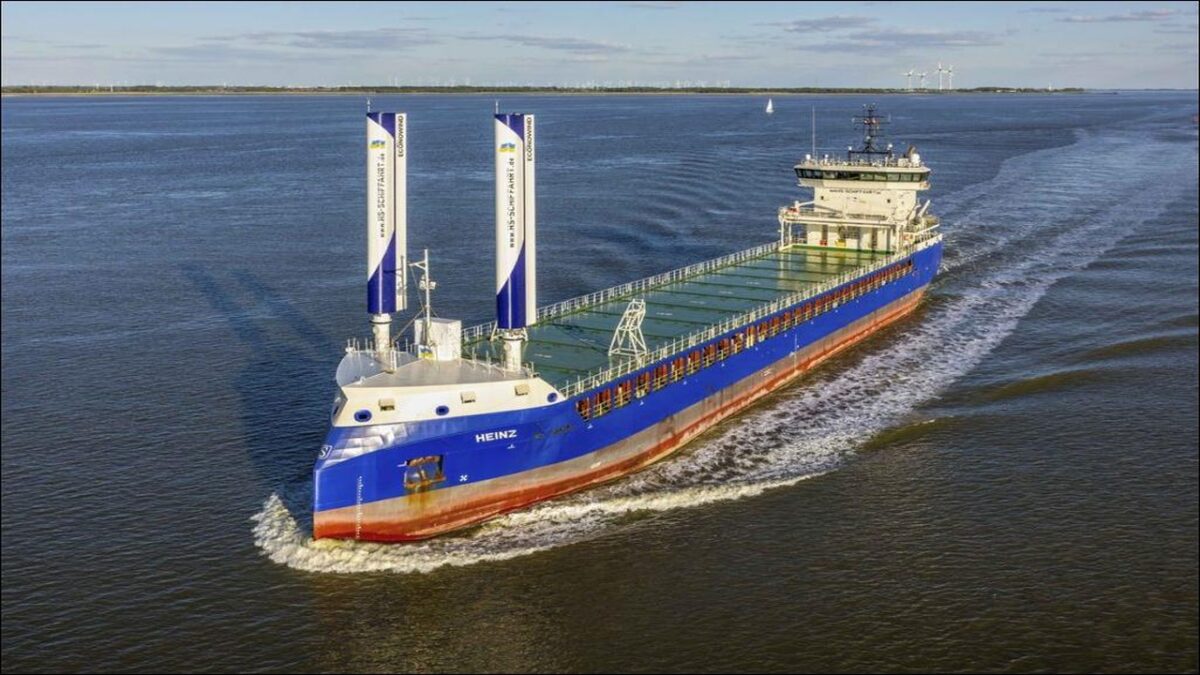
Econowind’s VentoFoil system represents a cutting-edge approach to wind propulsion. It is not a traditional fabric sail but rather a high-performance, automated, rigid wing sail system specifically engineered to harness wind power with exceptional efficiency. These modular units are designed to create significant thrust, acting as a powerful supplement to a vessel’s main engine. The core innovation lies in the ‘ventilation’ effect, where air is actively drawn through the foil, optimizing aerodynamic lift and maximizing the propulsive force generated by the wind, leading to substantial fuel savings.
The benefits of this innovative wind-assisted propulsion technology are compelling, particularly in the context of global efforts to combat climate change. Foremost among these is the significant reduction in fuel consumption, which directly translates into a proportional decrease in harmful emissions, including CO2, NOx, and SOx. While specific savings can vary based on operational conditions and vessel type, VentoFoils can deliver substantial reductions, contributing meaningfully to the maritime industry’s ambitious decarbonization goals and assisting shipowners in meeting environmental regulations such as the Energy Efficiency Existing Ship Index (EEXI) and Carbon Intensity Indicator (CII).
From an operational standpoint, VentoFoils are designed for ease of use and minimal crew intervention. They are typically fully automated, seamlessly deploying and retracting based on prevailing wind conditions and vessel speed. This intelligent automation ensures optimal performance without requiring complex manual adjustments, allowing the crew to focus on core navigational duties. This adaptability makes them highly effective across various maritime routes and diverse weather patterns, enhancing the overall efficiency of the voyage without adding significant workload.
Furthermore, the modular nature of the Econowind system allows for highly flexible installation across a wide array of vessel types. From large bulk carriers and tankers to container ships and general cargo vessels, VentoFoils can be integrated without extensive structural modifications. Its relatively compact footprint, particularly when compared to conventional rigid sails, makes it an especially attractive option for vessels with limited available deck space. This practical design ensures that performance gains are achieved without compromising the vessel’s cargo capacity or operational flexibility, making it a versatile solution for a diverse global fleet.
Driving Maritime Decarbonization and Sustainability
This DNV approval is a tangible and significant step towards achieving the International Maritime Organization’s (IMO) ambitious targets for greenhouse gas reduction. Wind-assisted propulsion is widely recognized as a proven and increasingly popular technology within the comprehensive portfolio of solutions available for maritime decarbonization. It represents a commitment to cleaner oceans and a healthier planet, offering a pathway for the shipping industry to meet its environmental responsibilities without compromising operational viability.
Wind power offers a genuinely renewable and emission-free energy source for ships, making it an indispensable tool in the transition to sustainable shipping. As the industry grapples with the complexities, costs, and infrastructure challenges associated with alternative fuels like ammonia or hydrogen, integrating wind propulsion provides an immediate, effective, and relatively straightforward pathway to reduce carbon intensity and operational costs. It offers significant environmental benefits without requiring extensive, costly infrastructure overhauls or the development of entirely new supply chains, providing a bridge to a zero-emission future.
The growing interest in wind-assisted shipping technologies is evident across the industry. More and more companies are actively exploring or implementing such systems, driven by a confluence of factors including increasing regulatory pressures, volatile and often rising fuel prices, and strong corporate sustainability mandates. Econowind’s TADC sets a crucial precedent, likely encouraging other innovators and classification societies to streamline similar approval processes. This will foster a competitive and rapidly evolving market for green maritime technologies, accelerating the pace of innovation and adoption.
Looking ahead, wind propulsion, when combined with other energy-saving devices and the eventual adoption of next-generation alternative fuels, forms a holistic and robust approach to achieving truly sustainable shipping. This latest DNV approval helps solidify wind power’s position as a vital, high-impact component in the future of low to zero-emission voyages. It paves the way for further research, development, and, most importantly, widespread commercial adoption across the global merchant fleet, ushering in an era of greener, more efficient maritime transport.
Tangible Benefits for Shipowners and Operators
Beyond the undeniable environmental benefits, the financial incentives for adopting the Econowind wind propulsion system are compelling and immediate. Reduced fuel consumption directly translates into significant operational cost savings over the vessel’s entire lifespan. In an era characterized by volatile and unpredictable bunker prices, hedging against these fluctuations through the strategic use of wind power offers a powerful strategic financial advantage, enhancing profitability and ensuring greater competitiveness in a challenging market.
Shipowners today face increasing regulatory scrutiny and the prospect of severe penalties for non-compliance with evolving environmental standards. Deploying the DNV-approved Econowind system enables ships to meet or even exceed current and future regulations, such as those related to the Carbon Intensity Indicator (CII) and Energy Efficiency Existing Ship Index (EEXI) ratings. This not only ensures compliance but also actively improves a vessel’s environmental performance scores, a factor that is becoming increasingly important for charterers and investors.
Vessels equipped with advanced wind propulsion systems, like the VentoFoil, gain a distinct ‘green’ premium in the market. This can attract environmentally conscious charterers who prioritize sustainable operations, potentially leading to more favorable charter rates and long-term contracts. Furthermore, such commitment to innovation and sustainability can lead to preferential treatment in certain ports and significantly enhances a company’s corporate social responsibility (CSR) profile. A proactive approach to adopting innovative, sustainable solutions builds a positive brand image and strengthens a company’s reputation within the industry and among stakeholders.
The standardized nature of the DNV approval ensures that the installation process for the VentoFoil system is not only faster but also significantly more predictable in terms of both cost and complexity. This predictability is invaluable for project planning and budgeting. Moreover, Econowind’s commitment extends beyond installation, offering ongoing support and comprehensive maintenance for its VentoFoil systems. This ensures that shipowners benefit from reliable, long-term performance throughout the system’s operational life, thereby maximizing their return on investment and ensuring continuous energy efficiency gains.
The DNV type approval for Econowind’s VentoFoil wind propulsion system marks a pivotal moment for the maritime industry’s journey toward decarbonization. By significantly simplifying the installation process for DNV-classed vessels, this crucial certification effectively lowers the barriers to adoption for shipowners seeking to embrace sustainable shipping. It powerfully reinforces the viability and effectiveness of wind-assisted propulsion as a potent tool for reducing emissions and enhancing operational efficiency, thereby propelling the global fleet towards a cleaner, more sustainable, and economically sound future.