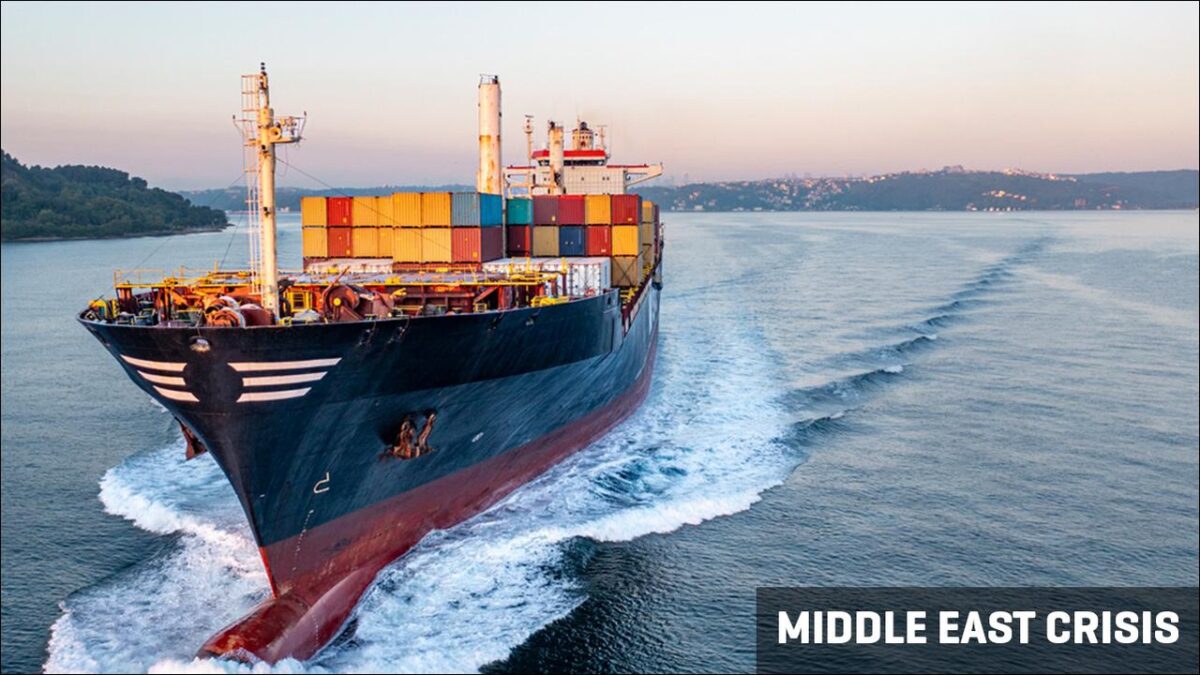
Shanghai Container Freight Rates Soar Fourth Week | Mariner News
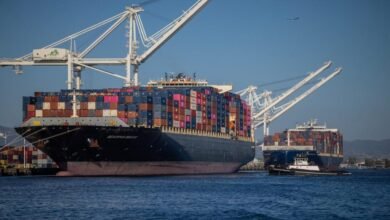
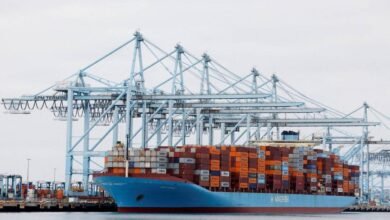
The global shipping industry is once again witnessing a significant upward trend, with Shanghai container freight rates experiencing their fourth consecutive weekly increase. This persistent surge, as reflected by the leading Shanghai Containerized Freight Index (SCFI), underscores growing pressures on international maritime trade, originating from the world’s largest container port. Businesses worldwide are closely monitoring these developments, as rising freight costs from Shanghai invariably translate into higher expenses across the entire supply chain, impacting everything from manufacturing to consumer prices. This sustained upward trajectory signals a complex interplay of geopolitical events and market dynamics that are reshaping the landscape of global container shipping.
The Unprecedented Surge in Shanghai Container Freight Rates
Data from the Shanghai Shipping Exchange reveals a notable escalation in the Shanghai Containerized Freight Index (SCFI), a crucial barometer for global shipping costs. For the week concluded, the SCFI registered a 3.6% increase, reaching a significant 2,218.15 points. This recent bump follows an even more substantial 9.5% rise reported in the preceding week, marking a cumulative and substantial climb over a month. The consistency of these weekly gains highlights a robust and concerning upward pressure on container shipping prices, prompting industry stakeholders to reassess their logistical strategies and financial forecasts. Shanghai, as the world’s busiest container port, dictates a substantial portion of global maritime traffic and its pricing trends resonate across continents.
To put these figures into perspective, the SCFI index has demonstrated remarkable volatility in recent years. Its peak in early January 2022 reached an astounding 5,109.60, a period characterized by unprecedented demand and supply chain bottlenecks exacerbated by the pandemic. Conversely, the index experienced a significant low point more recently, settling at 931.89 in the week ending October 27, 2023. The current trajectory, therefore, represents a strong recovery from those lows, propelled by a distinct set of contemporary global challenges. Understanding this historical context is vital for appreciating the current market dynamics and the potential long-term implications for global trade and logistics.
The consistent rise in container freight rates out of Shanghai for four successive weeks signals more than just a temporary fluctuation; it reflects a systemic shift influenced by external factors. This sustained increase not only affects direct shipping lines and their profitability but also has profound downstream effects on exporters and importers relying on these crucial trade routes. The cumulative impact of these rising costs is eventually passed down to consumers, contributing to inflationary pressures in economies globally. Businesses engaged in international commerce are grappling with increased operational expenditures, necessitating careful cost management and strategic planning to mitigate the financial strain imposed by these elevated shipping prices.
Geopolitical Tensions Fueling Shipping Disruptions
The primary catalyst behind the recent escalation in global shipping rates, particularly for container freight from Shanghai, can be traced back to the outbreak of the Iran war on February 28. This geopolitical event, alongside broader instability in the Middle East, has profoundly impacted vital maritime arteries, especially the Red Sea, a crucial shortcut connecting Asia and Europe via the Suez Canal. The heightened security risks in this region have compelled numerous shipping companies to reroute their vessels, opting for a considerably longer and costlier journey around the Cape of Good Hope at the southern tip of Africa. This diversion adds thousands of nautical miles to each voyage, significantly increasing transit times and operational expenses for carriers.
Sailing in a wide arc around the Red Sea entails several financial burdens that directly contribute to the surging container freight rates. Vessels on these extended routes consume substantially more fuel, adding a considerable amount to their operational costs. Furthermore, the longer journey necessitates additional crew time and resources, while also pushing up insurance premiums due to the extended exposure and inherent risks associated with such extensive maritime operations. These cumulative factors—increased fuel consumption, higher labor costs, and elevated insurance—are directly passed on to customers in the form of elevated freight charges, fundamentally reshaping the economics of international shipping and driving the SCFI upwards.
The ongoing situation in the Middle East continues to pose significant challenges to the predictability and efficiency of the global supply chain. The persistent threat of disruptions in critical chokepoints like the Red Sea means that the shipping industry must contend with an environment of heightened uncertainty. This geopolitical instability not only impacts container shipping but also affects other segments of maritime trade, creating a ripple effect across the entire global logistics network. The inability to safely utilize the most direct routes forces a fundamental re-evaluation of shipping strategies, pushing companies towards more resilient, albeit more expensive, alternatives, thus embedding higher costs into the fabric of international trade for the foreseeable future.
Global Market Reaction and Broader Shipping Trends
The upward trend in container freight rates is not an isolated phenomenon observed solely in the SCFI. Independent analyses corroborate this market reality, with figures from the World Container Index (WCI), meticulously compiled by the renowned maritime analysis firm Drewry, showing an analogous pattern. In the week concluding May 21, the WCI registered a robust 6% increase, pushing the cost for a 40-foot container to USD 2,712. This followed a substantial 12% rise in the preceding week, collectively painting a consistent picture of a rapidly appreciating market for containerized cargo. The concordance between these two leading indices underscores the widespread nature of the current surge in shipping costs, reflecting a truly global shift in market dynamics rather than localized anomalies.
Such significant shifts in freight pricing inevitably lead to varied reactions within financial markets and among industry giants. For instance, on the Friday following the latest rate announcements, A.P. Moller-Maersk’s B-shares experienced a modest loss, opening the day’s trading with a 1.3% dip to DKK 15,595 (approximately USD 2,421.9), placing it at the lower end of the Danish C25 index. While rising freight rates might intuitively suggest higher profits for carriers, the reality is more nuanced. Increased operational costs from longer routes, higher fuel prices, and elevated insurance premiums can erode potential gains. Furthermore, investor sentiment can be swayed by the overall uncertainty and volatility in the global shipping sector, leading to cautious trading despite the headline figures of rising rates. This highlights the complex financial tightrope shipping lines must navigate.
The broader implications of these trends extend beyond individual company performance, influencing the entire ecosystem of global maritime trade. Shipping lines are grappling with balancing increased costs against the need to maintain competitive services, while shippers—importers and exporters—are forced to absorb higher logistics expenses or find ways to pass them on. The consistent rise in key container spot indices signifies a seller’s market, where demand, particularly for reliable and secure routes, outweighs readily available capacity at historical price points. This scenario encourages shipping companies to strategically manage their fleet deployment and pricing, ultimately affecting global trade flows and the economic viability of various sectors dependent on efficient container shipping services.
Economic Implications and Supply Chain Challenges
The sustained increase in container freight rates out of major ports like Shanghai carries significant economic implications that ripple through the global economy. For businesses, higher shipping costs directly impact their bottom line, leading to increased operational expenses that must either be absorbed or passed on to consumers. This can contribute to inflationary pressures, as the cost of importing goods rises, potentially affecting prices for a wide range of products from electronics to clothing. Consumers may eventually face higher retail prices, diminishing their purchasing power and potentially slowing economic growth in the long run. The direct link between maritime logistics costs and the price of everyday goods becomes increasingly apparent during such periods of heightened freight market volatility.
Beyond direct price increases, the current freight market conditions present substantial challenges for global supply chain management. Companies are finding it more difficult and expensive to plan and execute their logistics, leading to potential delays and disruptions. Inventory management becomes a delicate balancing act; holding too much inventory ties up capital, while holding too little risks stockouts and lost sales if shipments are delayed by extended transit times around the Red Sea. Furthermore, manufacturers reliant on just-in-time inventory systems are particularly vulnerable to these disruptions, forcing them to reconsider their sourcing strategies and potentially explore regionalizing supply chains to mitigate risks associated with long-distance, ocean-bound shipments. The need for agility and resilience in supply chain planning has never been more critical.
In response to these evolving economic and logistical pressures, businesses are exploring a variety of mitigation strategies. Diversifying sourcing locations, implementing more robust risk management frameworks, and investing in advanced supply chain visibility tools are becoming commonplace. Some companies are engaging in longer-term freight contracts to lock in rates, while others are exploring alternative modes of transport where feasible, such as air freight for high-value or time-sensitive goods, despite its higher cost. The overarching objective is to enhance supply chain resilience against unforeseen disruptions and fluctuating freight costs, ensuring continuity of operations and maintaining competitiveness in a challenging global trade environment. These strategic adjustments are vital for navigating the complex interplay of geopolitical events and market forces affecting container shipping.
Navigating Volatility: Outlook for Container Shipping
The future trajectory of container freight rates remains highly dependent on a complex interplay of geopolitical stability, global economic health, and the ongoing dynamics of supply and demand within the shipping industry. While the current surge is largely attributable to the Red Sea diversions, a resolution to these geopolitical tensions could potentially lead to a normalization of routes and a subsequent softening of rates. However, the exact timing and nature of such a resolution are inherently unpredictable. Conversely, any further escalation or spread of instability in key maritime regions could push freight costs even higher, prolonging the current period of elevated shipping expenses and supply chain uncertainty. Industry analysts are closely watching these geopolitical developments, as they hold the key to forecasting near-term market movements.
Beyond geopolitical considerations, the fundamental balance between vessel capacity and cargo demand will significantly influence the long-term outlook for container shipping rates. The industry has seen a substantial influx of new vessel deliveries in recent years, which, under normal circumstances, would typically exert downward pressure on rates by increasing available capacity. However, the current rerouting strategies effectively absorb much of this excess capacity, as ships spend longer at sea to cover extended distances. Should global trade demand weaken or if the Red Sea situation stabilizes, this latent overcapacity could quickly re-emerge, potentially leading to a sharp correction in freight rates. Conversely, a robust recovery in global economic activity coupled with continued route disruptions could sustain higher rates for longer.
For shippers and carriers alike, adapting to this era of heightened volatility is paramount. Carriers are likely to continue prioritizing operational flexibility, potentially adjusting service schedules and fleet deployments to optimize profitability amidst fluctuating demand and geopolitical risks. Shippers, for their part, are increasingly looking towards strategic partnerships with logistics providers, exploring flexible contract options, and investing in advanced analytics to gain better visibility and control over their supply chains. The emphasis is shifting from merely securing the lowest price to ensuring reliability and resilience. The container shipping market is poised for continued transformation, demanding strategic foresight and agile responses from all participants to navigate its complex and evolving landscape.
In conclusion, the sustained rise in Shanghai container freight rates for a fourth consecutive week is a stark indicator of ongoing disruptions in global maritime trade. Driven primarily by geopolitical tensions in the Middle East necessitating costly Red Sea diversions, these elevated shipping costs are reshaping supply chains and impacting economies worldwide. As Shanghai continues its role as a pivotal hub, the industry must remain vigilant, adapting to volatility and embracing resilience to navigate the complex challenges ahead. Stay informed with Mariner News for continuous updates on these critical shipping market trends.