Seaspan Takes Delivery of LNG Dual-Fuel PCTC | Mariner News
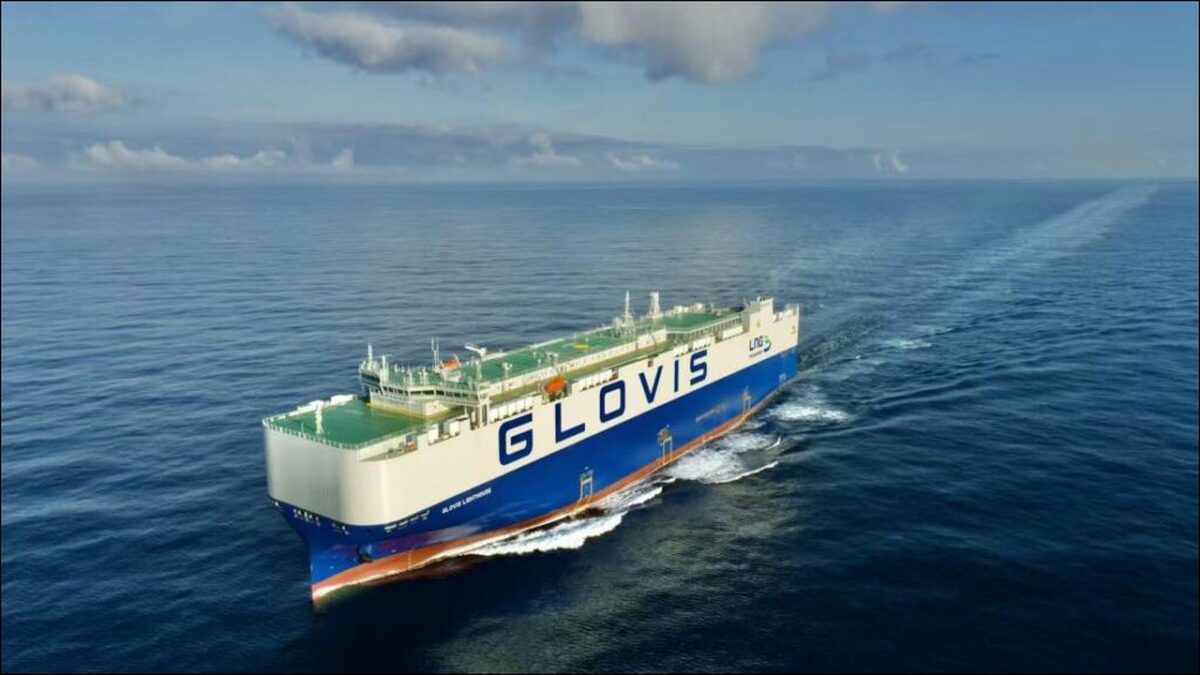
Seaspan Corporation, a global leader in maritime transport, has marked a significant milestone with the recent delivery of its cutting-edge LNG dual-fuel car carrier, the Glovis Lighthouse. This state-of-the-art vessel represents a pivotal step in Seaspan’s unwavering commitment to sustainable shipping and strengthens its position at the forefront of maritime decarbonization efforts. As the inaugural vessel in a new series of 10,800 CEU Pure Car and Truck Carriers (PCTCs), its arrival underscores a strategic move towards a greener, more efficient future for global logistics, particularly within the automotive sector. The Glovis Lighthouse has already embarked on its maiden voyage under a long-term time charter to the esteemed South Korean logistics firm, Hyundai Glovis, signaling a strong partnership built on shared environmental objectives and operational excellence. This delivery is not merely about expanding a fleet; it signifies a profound shift in maritime operations, embracing technologies that promise a healthier planet and more resilient supply chains.
A New Era for Maritime Transport: Seaspan’s Commitment to Green Shipping
Seaspan’s venture into dual-fuel LNG PCTCs illustrates a proactive approach to tackling the pressing environmental challenges facing the shipping industry. The introduction of vessels like the Glovis Lighthouse reflects a broader industry trend towards adopting cleaner marine fuels and advanced propulsion systems. With mounting global pressure to reduce greenhouse gas emissions and meet stringent international regulations, companies like Seaspan are investing heavily in innovative solutions that align with a sustainable future. This strategic pivot ensures that Seaspan remains competitive while upholding its corporate social responsibility.
This initiative is particularly vital for the automotive logistics sector, which relies heavily on efficient and environmentally sound ocean transport. By integrating LNG dual-fuel car carriers into its operations, Seaspan is providing its clients, such as Hyundai Glovis, with a distinct advantage in meeting their own sustainability targets. The decision to invest in such advanced vessels is a clear indicator of Seaspan’s long-term vision for a modernized, eco-conscious fleet that minimizes its ecological footprint without compromising on performance or reliability. It sets a new benchmark for what is achievable in large-scale maritime operations, encouraging other players to accelerate their own green transitions.
This commitment extends beyond individual vessels, influencing the entire operational framework. Seaspan’s dedication to green shipping encompasses not just fuel choices but also operational efficiencies, crew training in new technologies, and a continuous pursuit of innovative solutions. The company recognizes that true sustainability is a holistic endeavor, requiring consistent effort across all facets of its business. The Glovis Lighthouse is a tangible manifestation of this comprehensive strategy, designed to deliver immediate environmental benefits while paving the way for further advancements in maritime sustainability.
Unpacking the Glovis Lighthouse: Advanced Dual-Fuel LNG Technology
At the heart of the Glovis Lighthouse’s groundbreaking capabilities lies its sophisticated LNG dual-fuel propulsion system. This cutting-edge technology allows the vessel to operate on both liquefied natural gas (LNG) and conventional marine fuels, offering unparalleled flexibility and significant environmental advantages. Compared to traditional heavy fuel oil, LNG combustion substantially reduces sulfur oxide (SOx) emissions by nearly 100%, nitrogen oxide (NOx) emissions by up to 85%, and particulate matter by a remarkable 95%. Critically, Seaspan reports that this dual-fuel system is expected to slash carbon emissions by approximately 24%, a substantial contribution to mitigating climate change and improving air quality in port regions.
Beyond its cleaner fuel consumption, the Glovis Lighthouse is engineered with a suite of advanced technologies specifically aimed at improving overall operational efficiency and minimizing methane slip. Methane, a potent greenhouse gas, can sometimes escape unburnt during LNG combustion. By incorporating state-of-the-art engine designs and post-combustion treatment systems, the vessel significantly reduces these unintended emissions, further amplifying its environmental credentials. This focus on comprehensive emission reduction underscores a meticulous approach to designing truly eco-friendly vessels that address multiple facets of environmental impact.
With an impressive capacity exceeding 10,000 CEU (Car Equivalent Units), the Glovis Lighthouse is not just environmentally friendly; it is also one of the largest car carriers currently in operation globally. This massive capacity ensures that it can transport a substantial volume of vehicles efficiently, contributing to reduced per-unit emissions and optimized logistics. The combination of its immense carrying capability and its advanced dual-fuel LNG system makes it a highly efficient and economically viable solution for modern automotive logistics, balancing both environmental stewardship and operational productivity. This synergistic design exemplifies the future direction of large-scale maritime freight.
Future-Ready Fleet: Embracing Alternative Marine Fuels
One of the most forward-thinking aspects of the Glovis Lighthouse’s design is its inherent methanol-ready and ammonia-ready capabilities. This critical feature positions the vessel as a true future-proof asset in an industry rapidly exploring various pathways to net-zero emissions. While LNG offers significant immediate benefits, the long-term goal of the shipping sector is to transition to zero-carbon fuels. By being convertible to run on alternative marine fuels such as green methanol or green ammonia when they become more widely available and economically viable, the Glovis Lighthouse demonstrates remarkable foresight.
This adaptability provides Seaspan and Hyundai Glovis with invaluable flexibility in their long-term fuel strategies. As the infrastructure for bunkering green methanol and green ammonia develops, and as the production of these fuels scales up, vessels like the Glovis Lighthouse can seamlessly transition, avoiding obsolescence and maximizing their operational lifespan within a decarbonized shipping landscape. This preparedness aligns perfectly with ambitious global targets, including the International Maritime Organization’s (IMO) updated IMO 2050 targets for emission reductions.
Investing in ammonia-ready and methanol-ready designs is a strategic imperative for any maritime firm serious about achieving long-term sustainability. It acknowledges the dynamic nature of marine fuel development and the need for vessels that can evolve with the industry’s energy transition. This proactive approach ensures that the Glovis Lighthouse will remain a relevant and environmentally compliant asset for decades to come, continuing to drive down emissions as cleaner fuel options mature and become mainstream within the shipping industry. It is a testament to the fact that innovation is not just about today’s solutions, but also about anticipating tomorrow’s challenges and opportunities.
Strategic Partnerships and Global Impact: Seaspan and Hyundai Glovis
The long-term time charter agreement between Seaspan and Hyundai Glovis for the Glovis Lighthouse represents a powerful strategic partnership that extends beyond a simple commercial transaction. This collaboration is a significant catalyst for accelerating sustainable practices within the automotive logistics sector and beyond. Hyundai Glovis, a major player in global vehicle logistics, is demonstrating its commitment to environmental responsibility by choosing to charter eco-friendly vessels that align with its own corporate sustainability goals. This synergy between a leading shipowner and a prominent logistics provider creates a formidable force for change within the industry.
Such partnerships are crucial in driving the adoption of new, greener technologies. When major cargo owners like Hyundai Glovis commit to utilizing advanced, low-emission vessels, it sends a clear signal to the entire market about the demand for sustainable shipping solutions. This demand, in turn, incentivizes further investment in research, development, and deployment of next-generation ships. The Glovis Lighthouse serves as a shining example of how collaborative efforts between maritime firms can lead to tangible environmental benefits and foster a more resilient and responsible international trade infrastructure.
By ensuring the efficient and environmentally conscious transport of vehicles across international trade routes, this partnership contributes significantly to the overall supply chain resilience. It allows for predictable, cleaner transportation of goods, reducing risks associated with environmental non-compliance and enhancing the brand image of all parties involved. This collaborative model between leading maritime firms and their clients is a blueprint for fostering widespread environmental stewardship and driving positive change across global shipping networks.
The Broader Horizon: Driving Maritime Decarbonization Forward
The delivery of the Glovis Lighthouse is more than just an operational update; it is a clear indicator of the direction in which the global shipping industry is heading. This vessel serves as a compelling blueprint for future vessel designs, demonstrating that it is possible to combine large carrying capacity with advanced eco-friendly shipping solutions. It embodies the spirit of technological innovation that is essential for overcoming the complex challenges of maritime decarbonization and achieving a truly sustainable future for ocean transport.
Seaspan’s leadership in deploying such advanced LNG dual-fuel car carriers underscores the vital role that pioneering companies play in accelerating the clean energy transition. Their investments not only reduce their own emissions but also inspire and enable other stakeholders, including regulators, fuel suppliers, and technology developers, to advance their efforts. The success and operational data from vessels like the Glovis Lighthouse will provide invaluable insights that can inform future policy decisions, further technological advancements, and the expansion of green infrastructure.
Ultimately, the Glovis Lighthouse is a powerful symbol of progress in the ongoing journey towards a decarbonized shipping sector. Its capabilities in reducing carbon emissions, minimizing methane slip, and offering future fuel flexibility paint an optimistic picture for sustainable shipping. As more vessels of this caliber enter service, the collective impact on global emissions will be profound, paving the way for a cleaner, greener, and more responsible era for international maritime transport. Seaspan’s latest delivery is a testament to what can be achieved when innovation meets a steadfast commitment to environmental responsibility, setting a new course for the industry at large.