AI-Designed Vessels Boost Fuel Efficiency by 11% | Mariner News
A groundbreaking advancement in maritime technology has emerged with the unveiling of an AI-designed vessel concept that promises to dramatically cut fuel consumption by an impressive 11.1%. This innovative development marks a significant stride towards more sustainable shipping and highlights the transformative power of artificial intelligence in revolutionizing naval architecture. Developed by ship design technology firm Compute Maritime, this crew transfer vessel concept showcases how intelligent systems can optimize design parameters to achieve unprecedented levels of fuel efficiency and reduce the overall environmental impact of maritime operations. The initiative, part of the GenDSOM project, leverages Compute Maritime’s cutting-edge NeuralShipper platform, heralding a new era for green maritime solutions and setting a robust benchmark for future vessel designs globally.
The Dawn of AI in Naval Architecture
The integration of artificial intelligence into naval architecture represents a paradigm shift from traditional design methodologies. Compute Maritime’s NeuralShipper platform epitomizes this evolution, utilizing sophisticated algorithms to meticulously analyze and optimize complex hull forms. Unlike conventional design processes, which can be iterative and time-consuming, AI-driven design accelerates the development cycle, allowing for rapid exploration of a vast array of design possibilities. This computational prowess enables the identification of optimal hydrodynamic shapes that minimize resistance and maximize efficiency, far beyond what human designers might achieve through intuition or empirical data alone. The GenDSOM project, under which this AI-designed vessel concept was developed, underscores the potential for AI to unlock previously unattainable levels of performance and sustainability in the maritime sector. By focusing on intricate details such as hull curvature, displacement, and wetted surface, NeuralShipper can fine-tune every aspect to reduce drag and enhance propulsive efficiency, directly translating into tangible energy savings and lower operating costs for vessel operators worldwide.
This precision engineering made possible by AI ensures that every design choice contributes to a more efficient and environmentally friendly ship. The platform considers numerous variables simultaneously, from speed requirements and operational profiles to wave conditions and cargo capacity, synthesizing this data to create a holistic and optimized design. Such an approach not only improves fuel efficiency but also enhances the overall stability and seakeeping capabilities of the vessel. The result is a highly functional and sustainable design, like the crew transfer vessel, that performs optimally under its specific operating conditions while significantly reducing its carbon footprint. This technological leap signifies a profound change in how ships are conceived and constructed, offering a blueprint for a greener future in the global shipping industry, moving beyond incremental improvements to achieve truly transformative results through intelligent design.
Engineered for Eco-Performance: The AI-Optimized Crew Transfer Vessel
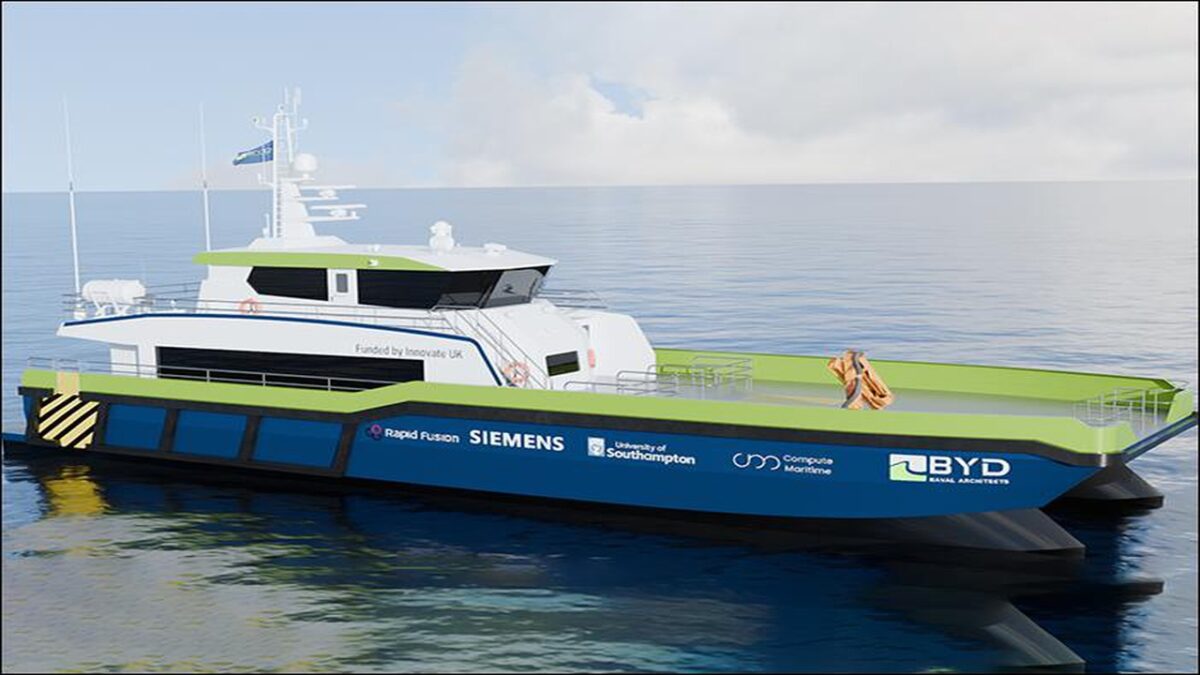
The 32.5-meter twin-hull crew transfer vessel (CTV) concept is a testament to the power of AI-driven design. Performance modeling has demonstrated that this revolutionary design can achieve a remarkable 11.1% reduction in fuel consumption compared to a conventional diesel-powered vessel operating the identical offshore wind duty cycle. This translates into a staggering annual saving of 101,671 litres of fuel and a substantial reduction of 258.7 tonnes in annual CO2 emissions. These figures are not merely theoretical; they represent real-world environmental impact and significant operational cost benefits for maritime businesses. The vessel’s design combines the innovative AI-optimized hull with a state-of-the-art diesel-electric hybrid propulsion system, developed in collaboration with industry leader Siemens, further amplifying its efficiency credentials.
This sophisticated hybrid system, paired with the AI-optimized hull, reduces the vessel’s power requirements by 6.3% at its service speed of 25 knots. Furthermore, the optimized design alone contributes to an 8.9% reduction in annual CO2 emissions, showcasing the direct benefits of artificial intelligence in enhancing design for sustainability. Designed specifically to carry 24 offshore wind technicians and four crew members, this CTV illustrates how specialized vessels can be engineered for maximum efficiency and minimal environmental footprint in demanding operational environments. The meticulous integration of AI for hull optimization alongside advanced propulsion technologies creates a synergy that delivers superior performance, making this sustainable shipping solution a benchmark for future vessel development. The savings in fuel and emissions not only bolster the operator’s bottom line but also significantly contribute to global decarbonization efforts, especially within the rapidly expanding offshore wind sector.
Propelling Sustainable Offshore Wind Operations
The relevance of this AI-designed vessel concept extends deeply into the burgeoning offshore wind industry, where crew transfer vessels play a critical role. As offshore wind farms expand globally, the demand for efficient and environmentally friendly support vessels grows proportionally. The ability to transport technicians and crew with significantly reduced fuel consumption and CO2 emissions is crucial for the long-term sustainability and economic viability of these renewable energy projects. This AI-optimized CTV ensures that the very infrastructure supporting green energy production maintains its own commitment to environmental stewardship, aligning operational practices with broader ecological goals.
By deploying such advanced maritime technology, offshore wind operators can not only lower their carbon footprint but also achieve considerable savings on fuel costs, which constitute a major portion of operational expenses. These financial benefits, coupled with enhanced environmental performance, create a compelling case for the widespread adoption of AI-driven design in the sector. The support from the UK Government through the UK Shipping Office for Reducing Emissions (UK SHORE) program, which funded the GenDSOM project, further underscores the strategic importance of investing in green shipping solutions to accelerate the maritime industry’s transition towards a net-zero future. This vessel concept is a tangible example of how innovative design can directly contribute to achieving ambitious sustainability targets, ensuring that the growth of renewable energy is supported by equally responsible maritime logistics.
Charting the Course for a Green Maritime Future
The unveiling of this AI-designed vessel concept is more than just an engineering feat; it’s a powerful indicator of the maritime industry’s future trajectory. The success of Compute Maritime’s NeuralShipper platform demonstrates the immense potential for AI-driven ship design to be applied across a wide range of vessel types, from cargo ships and tankers to passenger ferries. This marks a clear shift towards digital shipbuilding, where data-driven insights and artificial intelligence will increasingly dictate design choices, leading to an era of unprecedented efficiency and sustainability. The scalability of these technologies means that the benefits seen in a crew transfer vessel could be replicated and even amplified in larger, more complex maritime operations.
Beyond individual vessel optimization, the broader implications for sustainable maritime practices are profound. As the shipping industry grapples with stringent environmental regulations and the global imperative for decarbonization, AI offers a powerful tool to accelerate the transition to net-zero emissions. Continued investment in research and development, alongside collaborative efforts between technology firms, naval architects, and propulsion system manufacturers, will be crucial. Initiatives like the UK SHORE program provide essential backing, proving that governmental support can significantly catalyze innovation. The AI-designed vessel concept is a beacon for the industry, illuminating a path towards an efficient, economically viable, and environmentally responsible future for global shipping, fundamentally reshaping how we approach maritime technology for generations to come.