Norwegian Group Orders Electric Container Vessels | Mariner News
In a landmark move poised to reshape Northern Europe’s maritime landscape, a prominent Norwegian shipping group has officially ordered two groundbreaking electric container vessels. This significant investment by the Eitzen Group, through its subsidiary Zen, marks a pivotal step towards accelerating maritime electrification and establishing a truly green shipping corridor in the highly trafficked North Sea region. The innovative order underscores a growing global commitment to sustainable shipping solutions, demonstrating how advanced technology and strategic vision can converge to deliver tangible environmental benefits and operational efficiencies for the future of logistics.
Pioneering Electric Short-Sea Shipping in the North Sea
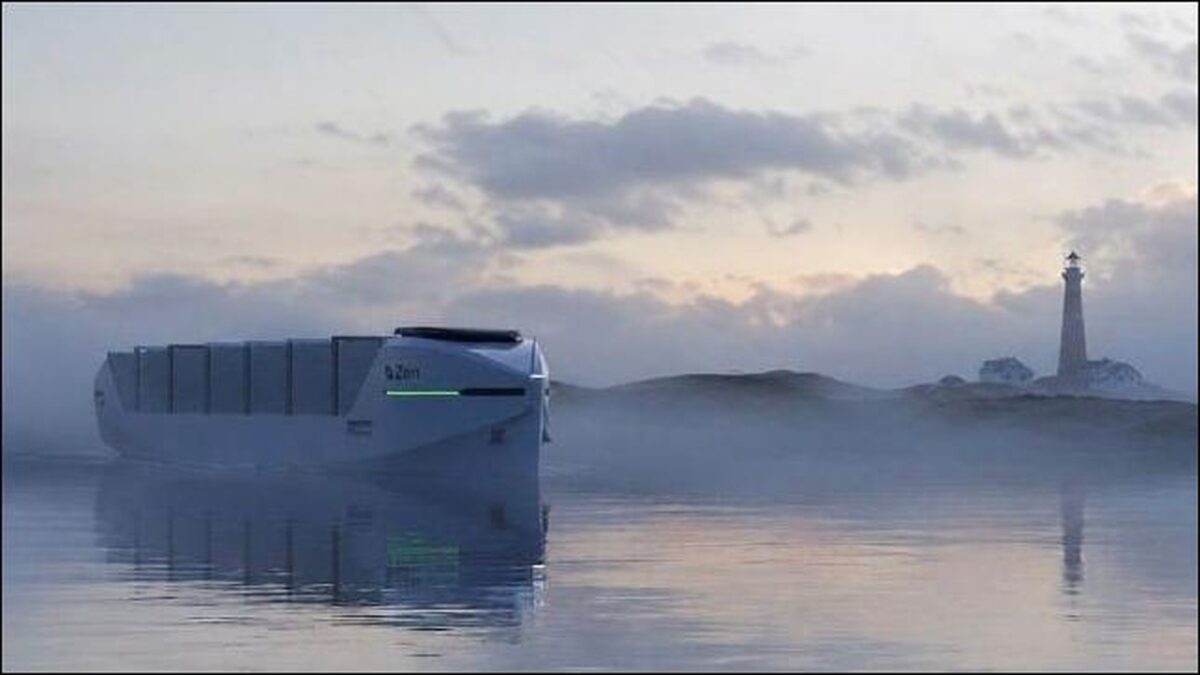
Norway’s Eitzen Group, a renowned maritime investment entity, is spearheading a transformative initiative by commissioning two of the largest electric container vessels ever designated for commercial operation. This ambitious project, managed by its dedicated maritime electrification unit, Zen, signifies a robust commitment to modernizing short-sea shipping through zero-emission technologies. The vessels are specifically designed to serve the vital North Sea region, connecting key Northern European ports and dramatically reducing the carbon footprint of freight transport across these bustling routes.
The official order for the construction of these pioneering battery-powered vessels was placed with Zhejiang Dongpeng Shipbuilding & Repairing Co. in China during a ceremony held in Oslo. This collaboration between Norwegian maritime leadership and Chinese shipbuilding expertise highlights the international effort required to advance sustainable transport. The first state-of-the-art vessel is anticipated for delivery within 24 months, with the second following closely at 27 months, signaling a rapid deployment of this innovative fleet into active service. These deadlines underscore the urgency and confidence placed in these advanced electric container vessels to meet contemporary environmental demands.
Each of the new electric container vessels will boast an impressive capacity of 900 TEU (Twenty-foot Equivalent Units), a substantial size for short-sea operations, enabling efficient cargo movement while maintaining environmental integrity. They are designed to operate along a crucial electric freight corridor, seamlessly linking the ports of Hamburg, Gothenburg, and Oslo. This strategic route selection maximizes impact by targeting a high-volume trade lane, ensuring that the transition to electric propulsion offers significant benefits in terms of emissions reduction and improved air quality in urban port areas.
This initiative is not merely about replacing fossil fuels with electricity; it is about creating an entirely new standard for sustainable logistics. The establishment of this green shipping corridor will provide shippers and logistics providers with an eco-friendly option that aligns with increasingly stringent environmental regulations and corporate sustainability goals. It represents a tangible commitment to decarbonization, demonstrating the commercial viability and operational effectiveness of large-scale electric vessel deployment in a demanding maritime environment.
The Power Behind Norway’s Green Fleet: Advanced Battery Innovation
At the heart of these revolutionary electric container vessels lies cutting-edge battery technology, developed by another specialized company within the Eitzen Group. The announcement detailed that the vessel’s battery packs will exceed an impressive 100 MWh, providing a substantial power reserve. This massive energy capacity is designed to ensure a robust operating range of between 500 and 600 nautical miles, making multi-port journeys across the North Sea region entirely feasible without the need for interim charging or reliance on traditional bunkering. This extensive range capability is critical for maintaining operational flexibility and scheduling reliability.
What sets these marine batteries apart is their exceptional energy density, reported to be twice that of comparable solutions currently available on the market. This breakthrough in battery chemistry and packaging allows for more power in a smaller volume, optimizing cargo space and vessel design. Furthermore, the batteries are engineered for extreme durability and safety; they are fully waterproof and capable of withstanding permanent immersion, mitigating risks associated with marine environments. This robust design provides an added layer of security and reliability for continuous maritime operations.
Production of these advanced battery packs will take place at a dedicated plant located in Tønsberg, Norway, establishing a domestic hub for critical green technology. This local production not only supports the Norwegian economy but also ensures close quality control and opportunities for continuous innovation in marine battery systems. Zen’s lead in developing and integrating these sophisticated power solutions underscores the group’s holistic approach to maritime electrification, encompassing everything from vessel design to power source manufacturing.
This pioneering work in battery technology holds significant implications beyond just these two container vessels. The successful development and deployment of such high-capacity, durable, and energy-dense batteries for marine applications could serve as a blueprint for electrifying other segments of the shipping industry, including ferries, offshore support vessels, and even larger cargo ships over time. It demonstrates a scalable solution that addresses one of the primary hurdles to widespread maritime decarbonization: energy storage capacity and safety.
Driving Maritime Electrification and Sustainable Logistics
The Eitzen Group’s strategic investment in electric container vessels aligns perfectly with the global imperative to reduce shipping’s environmental impact. The maritime industry, historically a significant contributor to global emissions, is under increasing pressure to adopt cleaner technologies and sustainable practices. This move by a leading Norwegian group sets a powerful precedent, demonstrating that significant steps towards full electrification are not only possible but also commercially viable for specific shipping segments, particularly short-sea operations.
Integrating these battery-powered vessels into Northern Europe’s freight network will have a profound effect on the region’s overall logistics sustainability. By providing a truly zero-emission transport option, the project enables companies to achieve their supply chain sustainability targets more effectively. This shift will contribute directly to cleaner air in port cities and along coastal routes, enhancing public health and environmental quality in densely populated areas. The reduction of noise pollution from electric propulsion systems is another considerable benefit for port communities.
Furthermore, the operation of these advanced electric container vessels will necessitate and inspire the development of corresponding shoreside infrastructure. Ports along the Hamburg-Gothenburg-Oslo corridor will likely enhance their charging capabilities, potentially integrating renewable energy sources to power the ships. This holistic approach to electrification creates a virtuous cycle, driving innovation in both vessel technology and port energy management, further solidifying the transition to a sustainable maritime ecosystem. The economic advantages of electric propulsion, including reduced fuel costs and lower maintenance, also make a compelling business case for adoption.
This project serves as a compelling case study for the synergy between technological innovation, environmental responsibility, and economic foresight. Eitzen Group’s proactive approach in building this electric fleet is a testament to its long-term vision for a resilient and environmentally sound future for maritime transport. It challenges conventional notions of shipping, proving that a greener alternative can be both powerful and profitable.
A Model for Future Green Shipping Corridors Worldwide
The concept of establishing an electric freight corridor between Hamburg, Gothenburg, and Oslo through the deployment of these 900 TEU electric container vessels is more than just a regional initiative; it is a scalable model for green shipping corridors globally. This project demonstrates how focused investments in zero-emission technology can create viable, sustainable trade routes that can be replicated and adapted to various geographical and logistical contexts around the world. The success of this Norwegian-led endeavor will undoubtedly inspire similar initiatives across other continents.
This pioneering effort highlights the critical role of collaboration between shipowners, technology developers, shipyards, and port authorities in realizing such ambitious environmental goals. The Eitzen Group’s comprehensive strategy, encompassing in-house battery development and strategic partnerships for vessel construction, showcases a robust framework for managing complex electrification projects. The knowledge and experience gained from this undertaking will be invaluable for future sustainable maritime projects, offering insights into operational challenges, technological integration, and regulatory pathways.
For the short-sea shipping segment, which is characterized by shorter distances and frequent port calls, electrification presents a particularly attractive solution. The relatively predictable routes allow for optimized charging infrastructure and efficient battery management, maximizing the benefits of electric propulsion. The 900 TEU capacity of these vessels demonstrates that substantial cargo volumes can be moved sustainably, effectively addressing concerns about the practical limitations of green shipping technologies for commercial purposes.
Ultimately, the order for these two electric container vessels by a forward-thinking Norwegian shipping group is a monumental step towards a decarbonized future for the maritime industry. It underscores a powerful commitment to environmental stewardship and technological leadership, setting a new benchmark for sustainable practices. As these vessels come online, they will not only transform Northern European short-sea shipping but also stand as a beacon of innovation, inspiring a global movement towards cleaner, more efficient, and truly sustainable maritime transport for generations to come.