Microplastics Threaten Ocean’s Carbon Absorption | Mariner News
The ocean is a monumental force in regulating our planet’s climate, acting as a critical natural reservoir for atmospheric carbon dioxide. This indispensable “ecosystem service” is now gravely threatened by an omnipresent pollutant: microplastics. These minuscule plastic fragments, pervasive throughout marine environments, are more than just unsightly debris. Emerging scientific research indicates they could fundamentally impair the ocean’s vital capacity to absorb carbon, presenting profound implications for global climate change and the well-being of our Earth. Scientists are increasingly concerned that the proliferation of marine microplastics directly impacts the microscopic organisms essential for CO2 sequestration, signaling a potential crisis for our delicate natural carbon cycle.
The Ocean’s Critical Role in Carbon Sequestration
Covering over 70 percent of Earth’s surface, the ocean performs a function crucial for all life: regulating global climate. Historically, it has absorbed between 25 and 30 percent of all human-generated carbon dioxide (CO2) emissions, thereby buffering the escalating impacts of industrial activity. This extraordinary natural mechanism, known as the biological carbon pump, relies heavily on tiny, single-celled plants called phytoplankton. Drifting in the sunlit upper layers of the water column, these microscopic algae are responsible for nearly half of all photosynthesis on Earth. Through this process, phytoplankton convert sunlight, water, and atmospheric CO2 into oxygen and energy-rich organic matter.
As they grow and reproduce, carbon becomes fixed into their cellular structures. Upon their death or consumption by zooplankton, this carbon-rich material can sink to the deep ocean, effectively sequestering carbon for extended periods. This invaluable “ecosystem service” mitigates global warming and ocean acidification, highlighting the paramount importance of preserving this delicate oceanic balance for the planet’s future.
Microplastics: An Insidious Global Marine Pollutant
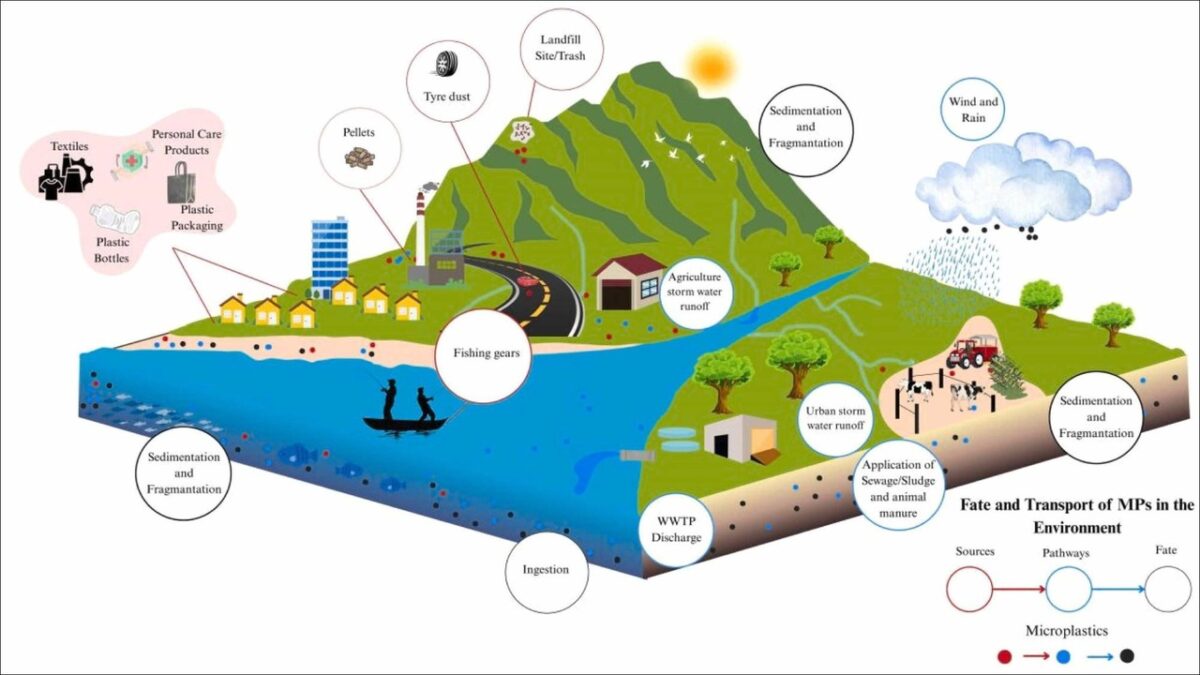
Regrettably, the ocean’s crucial functions are under constant assault from human activities, with plastic pollution representing a particularly widespread and persistent challenge. Among the myriad forms of plastic debris, microplastics – defined as particles smaller than five millimeters – pose a uniquely insidious threat due to their widespread distribution and longevity. These minute fragments originate from various sources, including the degradation of larger plastic items, fibers shed from synthetic textiles during washing, and industrial pellets. Once in the marine environment, they resist degradation for centuries, establishing a permanent presence.
Microplastics are now found ubiquitously, from the most populated coastlines to the pristine waters of the Arctic and Antarctic. Their small size leads to their ingestion by a vast array of marine organisms, from foundational plankton to apex predators, facilitating their entry into the marine food web. Beyond physical ingestion, microplastics can also attract and carry toxic chemicals, serving as pathways for these pollutants to impact aquatic life and marine ecosystems.
Disrupting Phytoplankton: Microplastics’ Impact on Photosynthesis
The direct consequences of marine microplastics on phytoplankton, the microscopic powerhouses of ocean carbon absorption, are increasingly scrutinized by scientific researchers. Experts like Francesca Verones and her team at NTNU are actively investigating these effects. Their findings indicate that microplastics can significantly impede the growth and photosynthetic capabilities of these essential algae. One identified mechanism involves physical interference: microplastic particles can aggregate around phytoplankton cells, creating clusters that reduce light penetration essential for photosynthesis. They can also adhere directly to cell surfaces, thereby obstructing nutrient uptake, a process critical for algal vitality.
Furthermore, plastic particles can leach chemical additives into the surrounding seawater, some of which are toxic to sensitive phytoplankton species. Even at sub-lethal concentrations, the mere presence of microplastics can induce stress, diverting energy from vital processes like growth and reproduction. A decline in healthy phytoplankton populations or reduced photosynthetic efficiency directly compromises the ocean’s ability to draw CO2 from the atmosphere, weakening its crucial role as a carbon sink and impacting the entire marine food web.
Quantifying the Ocean Carbon Absorption Impact
Precise quantification of how microplastics impair the ocean’s capacity for carbon absorption is a central focus of current scientific endeavors. Researchers, including Francesca Verones and her colleagues at NTNU’s Department of Energy and Process Engineering, are dedicated to measuring the tangible impact of plastic pollution on essential “ecosystem services” like carbon sequestration. Their methodology often involves conducting controlled laboratory experiments to meticulously observe how varying types and concentrations of microplastics affect key physiological metrics of phytoplankton, such as growth rates, chlorophyll levels (a proxy for photosynthetic activity), and actual CO2 uptake.
These robust empirical data are then integrated into sophisticated computational models that simulate oceanographic processes and global carbon cycling. Such models project the potential long-term consequences of widespread microplastic contamination on atmospheric CO2 concentrations. Preliminary calculations suggest that even a fractional reduction in phytoplankton efficiency across vast oceanic expanses could translate into substantial quantities of unabsorbed carbon persisting in the atmosphere annually. This pivotal research provides vital evidence for policymakers to grasp the true environmental cost of plastic pollution, emphasizing its threat to fundamental biogeochemical cycles.
Broader Ecological and Climate Repercussions
A reduction in the ocean’s carbon absorption capabilities due to microplastics triggers a cascade of broader ecological and climatic consequences. A weakened biological carbon pump not only means more CO2 in the atmosphere but also exacerbates ocean acidification. When the ocean absorbs atmospheric CO2, it produces carbonic acid, which lowers seawater pH. While this process helps remove carbon from the air, the overall impact of reduced biological uptake can lead to more acidic surface waters. This directly threatens marine organisms that rely on calcium carbonate to build shells and skeletons, such as corals, shellfish, and specific plankton species.
The integrity of these foundational species is critical for numerous marine ecosystems, and their decline could devastate biodiversity. Furthermore, compromised phytoplankton populations inevitably disrupt the entire marine food web. As primary producers, phytoplankton underpin oceanic life, from tiny zooplankton to extensive fish stocks and marine mammals. A significant decline in their health and abundance, influenced by microplastic exposure, would reduce food availability, impacting global fisheries and marine predator populations. This systemic disruption threatens ocean health and climate stability.
Mitigating Marine Plastic Pollution for a Sustainable Future
The concerning evidence regarding microplastics’ adverse effects on ocean carbon absorption necessitates urgent, multi-faceted action against marine plastic pollution. Effective solutions must target the problem at its origin, prioritizing a global reduction in plastic production and consumption. This entails actively promoting sustainable alternatives, adopting circular economy principles to maximize resource efficiency, and fostering innovation in truly biodegradable materials that pose no threat to marine life. Robust policy interventions are also critical, including comprehensive bans on unnecessary single-use plastics and microplastic beads in products, alongside significant investments in improved waste management infrastructure, particularly in regions prone to oceanic leakage.
While prevention is paramount, efforts to remove existing plastic pollution from oceans and coastlines remain important, with technologies continuously advancing. Public education on responsible plastic consumption and disposal is equally vital, encouraging active participation in recycling and reducing individual plastic footprints. Ultimately, the collective responsibility of individuals, industries, and governments worldwide is essential to safeguard the ocean’s indispensable capacity to absorb carbon and preserve its invaluable ecosystems for future generations, ensuring a stable climate and a healthy planet.