Maersk Center Adapts for Shipping Decarbonization Future | Mariner News
The global maritime industry faces the monumental task of environmental sustainability, with the Maersk Mc-Kinney Møller Center for Zero Carbon Shipping (MMMCZCS) at the forefront of this crucial journey toward shipping decarbonization. Recent organizational shifts, including a quiet reduction in headcount by approximately 30 percent and the departure of Chief Technology Officer Torben Nørgaard, signal a strategic recalibration. Far from retreating, leadership, including CEO Bo Cerup-Simonsen, emphasizes this as a deliberate adaptation. This pivot aims to sharpen the Center’s focus, maximizing its impact in the complex and uncertain pursuit of carbon-neutral shipping solutions, underscoring an unwavering commitment to a greener maritime future.
Navigating the Complexities of Green Transition
The path to zero carbon shipping is fraught with significant technical, economic, and regulatory hurdles. The maritime sector, contributing roughly 3% of global greenhouse gas emissions, faces immense pressure to innovate. This urgency is compounded by a lack of clear, universally agreed-upon pathways, creating substantial uncertainty for all stakeholders. The sheer scale of the global fleet and vessels’ long lifespans demand massive investment, extensive research, and coordinated international action for any meaningful transition in the shipping industry.
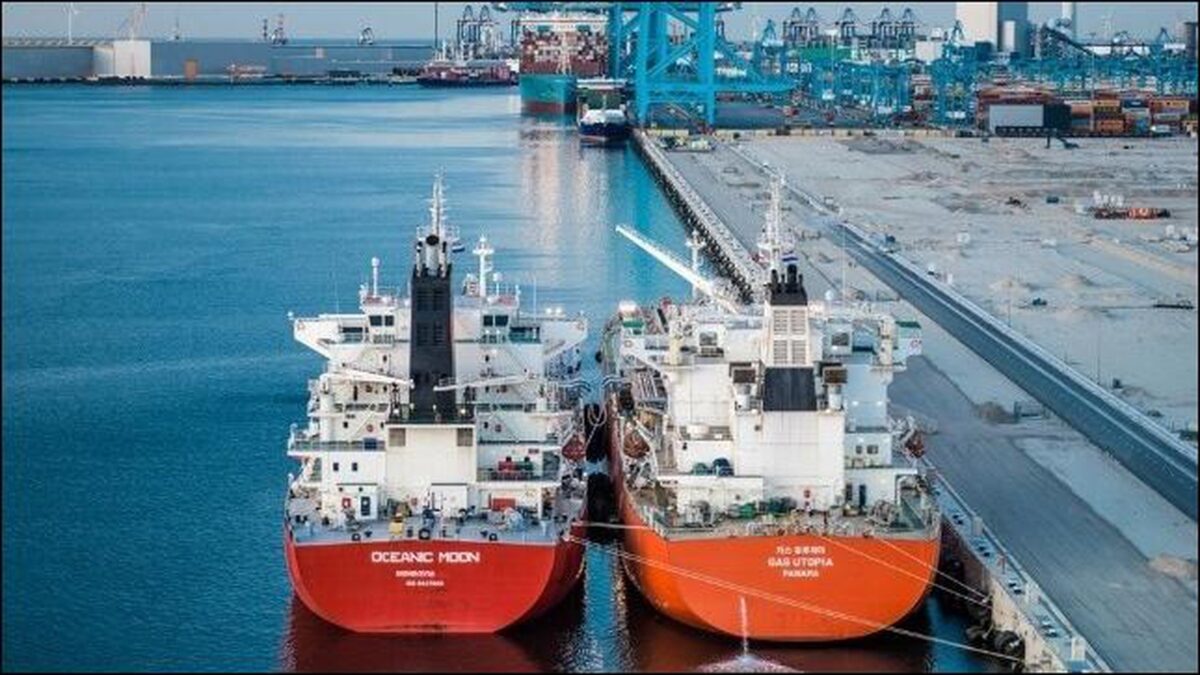
Developing and scaling viable alternative fuels presents a primary challenge. While initiatives like the ammonia bunkering simulation at Port of Rotterdam, supported by the Maersk Center, demonstrate promise, the practicalities of producing, storing, and safely handling fuels such as green ammonia, methanol, and hydrogen remain considerable. Each potential fuel pathway carries unique advantages and drawbacks, necessitating continuous innovation and rigorous testing. The absence of a ‘one-size-fits-all’ solution further complicates investment decisions and global infrastructure development for low-carbon propulsion technologies.
Moreover, the economic implications of this green transition are profound. The significant cost differential between conventional heavy fuel oil and emerging sustainable marine fuels raises concerns about competitive disadvantages and the financial viability for early adopters. This economic uncertainty, combined with capital-intensive fleet modernization, fosters a cautious investment environment. The industry also requires a global bunkering infrastructure for new fuels—a colossal undertaking needing collaboration across governments, ports, and private entities. Understanding these multifaceted complexities is essential for any organization committed to driving forward sustainable shipping practices and achieving ambitious climate targets.
Strategic Adaptation: Focusing for Greater Impact
In response to this intricate and evolving landscape, the Maersk Mc-Kinney Møller Center for Zero Carbon Shipping is undergoing a calculated restructuring. CEO Bo Cerup-Simonsen affirmed this strategic shift, stating, “Far from retreating, the Center is adapting so that we can continue to deliver on our mission, together with our partners and the wider maritime ecosystem.” This statement clarifies that the downsizing, including the departure of personnel like CTO Torben Nørgaard, reflects a targeted realignment of resources to maximize influence and accelerate tangible progress in maritime emissions reduction.
This adaptation signifies a deeper engagement in specific areas where the Center’s expertise can yield the most impactful results. Instead of broadly covering every aspect of the green transition, the Maersk Center is honing its focus, aiming to become an even more potent catalyst for change. Leveraging extensive insights and experience, the organization is now directing its energy towards areas where its unique blend of research, development, and collaborative power can truly move the needle. This includes a renewed emphasis on actionable research and strategic partnerships, influencing the broader maritime decarbonization agenda effectively.
This strategic adjustment recognizes that, for significant breakthroughs in zero carbon shipping, a concentrated effort is often more effective than a dispersed one. By streamlining operations and prioritizing key initiatives, the Center enhances its agility and responsiveness to rapidly changing industry demands. This focused approach allows for intense exploration of critical technical solutions and targeted engagement with policymakers, ensuring the Center’s contributions are relevant and highly influential in shaping the future of environmental sustainability in maritime transport. This refined strategy positions the organization at the forefront of the quest for clean shipping solutions.
Pillars of Progress: Technical Research and Policy Influence
Moving forward, the Maersk Mc-Kinney Møller Center for Zero Carbon Shipping will concentrate its efforts on two primary, interconnected pillars: advanced technical work and robust support for the development of regulations and policies. The technical arm will continue to drive innovation, dedicating resources to researching cutting-edge energy efficiency measures. This includes exploring novel hull designs, optimizing propulsion systems, investigating waste heat recovery, and developing smart operational strategies to significantly reduce fuel consumption and carbon emissions. These foundational efficiency gains are crucial, regardless of the fuel type, contributing directly to a more sustainable and cost-effective operational model for vessels.
Beyond efficiency, the Center remains deeply committed to the research and development of low-carbon propulsion technologies. This involves in-depth studies into the viability, safety, and scalability of various alternative fuels such as green ammonia, methanol, biofuels, and hydrogen. Their work encompasses analyzing engine performance, assessing necessary bunkering infrastructure, and evaluating lifecycle emissions. The goal is to provide evidence-based insights and practical solutions to accelerate industry adoption of truly carbon-neutral marine propulsion systems. This focus on tangible, implementable technologies is central to unlocking the potential for zero carbon shipping on a global scale.
Concurrently, the Center recognizes that technological advancements require a coherent regulatory framework. A significant part of its renewed focus involves actively supporting international regulations and policies. This includes engaging with global bodies like the International Maritime Organization (IMO) to help shape effective rules for emission reductions, carbon pricing, and safety standards for new fuels. By providing expert analysis and facilitating dialogue, the Maersk Center aims to bridge the gap between scientific possibility and regulatory reality, ensuring policies are ambitious and practical. This dual approach of technical innovation and policy advocacy is essential for driving systemic change in maritime decarbonization.
Optimism Amidst Regulatory Evolving Landscape
Despite formidable challenges and uncertainties in the green transition, CEO Bo Cerup-Simonsen expresses strong optimism regarding the long-term future of the IMO’s carbon emissions regulatory process. His perspective suggests that the fundamental commitment to environmental stewardship within the international maritime community remains robust. This belief stems from understanding that while many member states may have reservations about specific implementation aspects of the Net Zero Framework, they generally align with the broader vision articulated in the 2023 IMO Greenhouse Gas Strategy, which outlines ambitious emission reduction targets for international shipping.
Simonsen noted that recent Marine Environment Protection Committee (MEPC) meetings, despite their often contentious nature, have fostered a “constructive, if fragile, position.” This indicates a prevailing willingness to engage and find common ground. The consistent alignment of member states with a comprehensive GHG strategy, even with reservations, is a powerful indicator. It suggests that the dialogue is less about if shipping will decarbonize, and more about how and when, creating an encouraging environment for developing concrete deals and actionable plans. This sustained commitment is vital for maintaining momentum towards sustainable maritime transport and achieving global climate goals.
This nuanced understanding of the regulatory environment allows the Maersk Center to strategically tailor its contributions. By focusing on both technical solutions and informed input into policy debates, the Center aims to facilitate smoother negotiations and more effective regulatory outcomes. Ongoing engagement with the IMO and other international bodies is not merely about compliance; it’s about actively co-creating a future where the regulatory landscape supports and accelerates innovation in shipping decarbonization. The CEO’s optimism, therefore, is a calculated assessment of the collective will within the international maritime community to address climate change and build a more environmentally responsible industry.
In conclusion, the Maersk Mc-Kinney Møller Center for Zero Carbon Shipping’s strategic adjustments represent a focused evolution, not a retreat. Amidst the complex and often uncertain journey towards global shipping decarbonization, the Center is sharpening its efforts, directing expertise towards critical technical research in energy efficiency and low-carbon propulsion, alongside crucial engagement in policy and regulatory development. This adaptive strategy, underpinned by an optimistic outlook on international cooperation, reaffirms the Center’s unwavering commitment to accelerating the maritime industry’s green transition. By concentrating its impact, the Maersk Center continues to play an indispensable role in pioneering a sustainable future for the world’s oceans and the global supply chain.