Estonia Contracts First Fully Electric Ferry | Mariner News
Estonia is charting a new course for its maritime sector with the groundbreaking announcement of its first fully electric ferry. This pivotal project, solidified by a recent design and shipbuilding contract, signals a robust national commitment to decarbonization and environmental stewardship within the vital Baltic Sea region. By embracing zero-emission vessel technology, Estonia is not only modernizing its critical ferry connections but also setting a powerful precedent for sustainable transport. This initiative represents a significant stride towards a greener future for European shipping, promising enhanced reliability and a drastically reduced environmental footprint for its island communities.
Estonia’s Green Leap in Maritime Transport
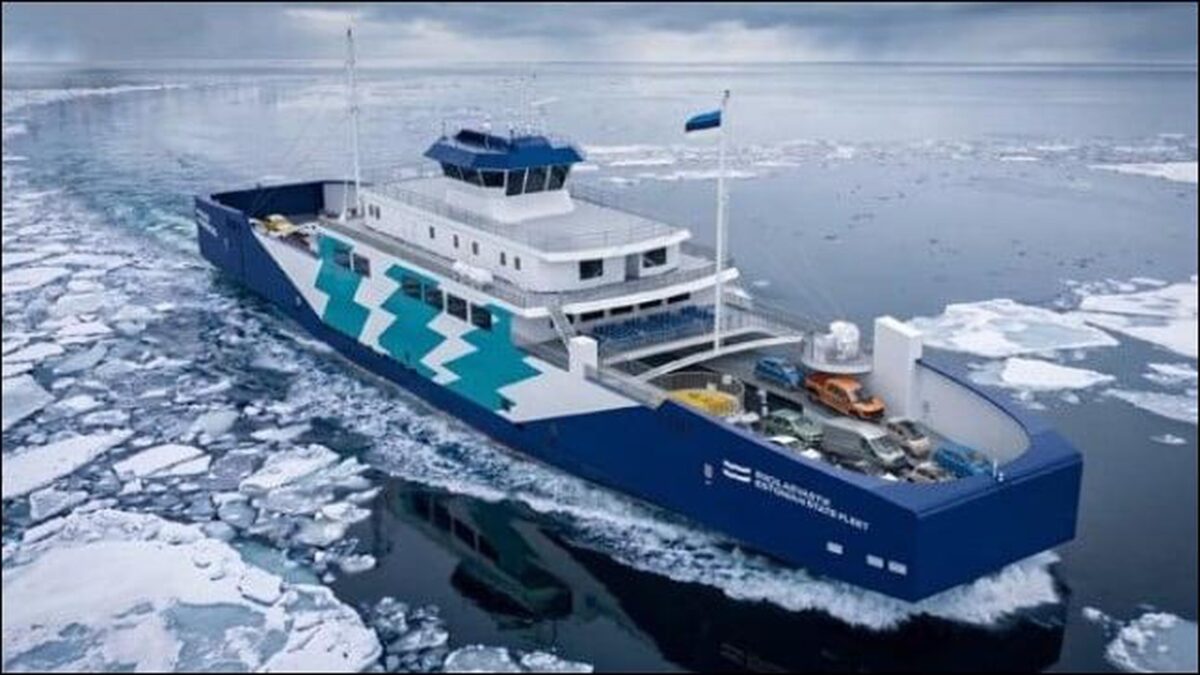
The Estonian State Fleet has formally engaged the Polish shipyard CRIST for the nation’s inaugural fully electric passenger ferry, based on a design by LMG Marin. This vessel is engineered for year-round operation in challenging Nordic conditions, including winter ice. This strategic investment aims to revolutionize ferry services, delivering unparalleled reliability, modern amenities, and a vastly improved ecological footprint. This collaboration underscores a shared vision for innovative, sustainable shipping solutions.
Estonian Minister of Infrastructure, Kuldar Leis, emphasized the crucial role of reliable ferry connections for Estonia, especially its island communities. He highlighted their importance for daily life, local businesses, and access to essential services. The new fully electric ferry is poised to elevate these connections to a new standard of modernity, reliability, and environmental friendliness, aligning with national goals for a cleaner environment and enhanced public service. This vessel embodies a future where essential transport infrastructure prioritizes ecological responsibility.
Andres Laasma, Director General of Estonian State Fleet, further articulated the strategic imperative of investing in next-generation vessels. Such investments are vital for guaranteeing reliable island connectivity while simultaneously reducing environmental impact and achieving substantial long-term operating cost savings. This holistic approach balances operational efficiency with environmental consciousness. The project’s €49.93 million ($58 million) total value is significantly bolstered by a €28 million ($32.5 million) contribution from the European Union, underscoring a collective European commitment to advancing sustainable maritime transport.
Cutting-Edge Design for Eco-Efficient Ferry Operations
Estonia’s forthcoming fully electric ferry is a beacon of cutting-edge maritime engineering and environmental dedication. Spanning approximately 100 meters (328 feet) in length, this state-of-the-art vessel is designed to accommodate significant traffic, capable of transporting up to 110 passenger vehicles or eight large freight trucks. It also boasts capacity for up to 380 passengers, ensuring vital links for both people and goods between the mainland and Estonia’s islands without compromising on efficiency or service capacity.
A key differentiator is its advanced propulsion system, powered entirely by green electricity. As Estonia’s first vessel operating 100 percent on sustainably sourced power, it signifies a monumental shift from fossil fuels. The electric ferry is projected to achieve remarkable energy efficiency, expected to be up to 64 percent more efficient than Estonia’s existing reference vessel, the Regula, which uses conventional diesel generators. This dramatic reduction in energy consumption is central to the project’s environmental objectives, directly translating into significantly lower operational emissions and a healthier marine ecosystem, embodying LMG Marin’s innovative design principles.
Engineered for year-round reliability, the electric ferry is built to excel in demanding Nordic maritime conditions. Its robust construction and sophisticated electric propulsion system will enable dependable service through challenging weather, including crucial winter ice operations. This capability is paramount for maintaining uninterrupted service to island communities. The vessel’s primary power source will be shore-charged green electricity, further reinforcing its eco-credentials. This comprehensive design approach positions the ferry as a benchmark for future sustainable shipping projects globally.
Driving Baltic Sea Decarbonization Forward
The introduction of Estonia’s first fully electric ferry is set to accelerate the broader movement towards decarbonizing maritime transport within the ecologically sensitive Baltic Sea region. Amidst increasing global pressures to reduce greenhouse gas emissions, this project stands as a tangible commitment to achieving ambitious goals for a cleaner shipping industry. The Baltic Sea, a crucial maritime corridor for numerous European nations, is particularly susceptible to environmental degradation, making such zero-emission initiatives profoundly impactful. This vessel symbolizes a paradigm shift towards a sustainable maritime future, directly addressing the urgent need to mitigate the industry’s carbon footprint.
This strategic transition from diesel-powered vessels to those operating on green electricity represents a deep commitment to environmental stewardship. Traditional diesel generators emit carbon dioxide, sulfur oxides, nitrogen oxides, and particulate matter. By eliminating these operational emissions, the new electric ferry will dramatically improve local air quality and substantially reduce the overall carbon footprint of Estonia’s ferry operations. This move aligns perfectly with the European Union’s ambitious climate targets and the International Maritime Organization’s strategies for reducing maritime greenhouse gas emissions, firmly placing Estonia at the forefront of sustainable maritime innovation.
This project also highlights the critical role of regional collaboration and strategic investment in sustainable infrastructure. With substantial EU financial backing, the initiative exemplifies how concerted efforts can rapidly accelerate the transition to cleaner transportation. The successful deployment of this state-of-the-art electric ferry could inspire similar projects across the Baltic Sea, fostering a powerful cascade effect of decarbonization throughout the shipping sector. It demonstrates how advanced technology, strategic funding, and unwavering political will can converge to create significant positive environmental impact.
Investing in Resilient Island Connectivity
Beyond its compelling environmental advantages, the €49.93 million investment in Estonia’s new fully electric ferry signifies a forward-thinking commitment to ensuring robust and future-proof island connectivity. Reliable ferry services are indispensable lifelines for island communities, facilitating trade, tourism, and daily commutes. By replacing older, less efficient vessels with a modern, high-capacity electric alternative, Estonia is not only safeguarding but enhancing these crucial connections for decades to come. This strategic foresight addresses immediate transport needs and proactively anticipates future demands for sustainable, efficient, and dependable maritime links.
The economic benefits of this investment are equally significant. While the initial capital expenditure is substantial, supported by EU funding, long-term operational cost reductions are expected to be considerable. Operating on shore-charged green electricity drastically diminishes reliance on volatile fossil fuel markets, providing greater stability and predictability in operating expenses. Moreover, the enhanced energy efficiency of the electric propulsion system translates into lower overall energy consumption, contributing to substantial financial savings over the vessel’s operational lifespan. These economic advantages powerfully demonstrate that eco-friendly solutions can also be economically superior, making them highly attractive for widespread adoption.
This pioneering project offers an invaluable blueprint for other regions worldwide facing similar challenges: balancing essential island connectivity with urgent environmental targets. The successful integration of an electric ferry into Estonia’s transport network will generate crucial operational data, establish best practices, and offer tangible proof of concept. It will showcase how sustainable maritime infrastructure can enhance service quality, dramatically reduce environmental impact, and simultaneously unlock significant economic efficiencies. The lessons learned will undoubtedly inform and inspire similar initiatives globally, accelerating the worldwide transition towards a cleaner, more sustainable future for short-sea shipping and island communities.
Global Inspiration Towards Zero-Emission Shipping
Estonia’s decision to contract its first fully electric ferry resonates far beyond its national borders, solidifying the country’s position as an emerging leader in sustainable maritime innovation. This project sends an unequivocal signal to the international shipping community that the era of zero-emission vessels is not a distant aspiration but a present-day reality. By proactively embracing cutting-edge electric propulsion technology, Estonia is actively contributing to the global effort to combat climate change and dramatically reduce the maritime industry’s overall carbon footprint, thereby setting an inspiring example for other nations, port authorities, and shipping companies worldwide committed to greening their fleets.
The successful implementation of this advanced electric ferry will significantly influence the future trajectory of electric and hybrid vessels across diverse maritime segments. It unequivocally demonstrates the technical feasibility, operational viability, and economic benefits of such sustainable solutions, even when confronted with demanding environmental conditions. This real-world success story will stimulate further investment in research, accelerated development, and widespread deployment of similar sustainable shipping technologies, thereby fostering a virtuous cycle of innovation and progress within the broader maritime sector. The project stands as a powerful testament to what can be achieved when innovation, environmental responsibility, and strategic investment converge seamlessly.
Ultimately, Estonia’s steadfast commitment to an electric ferry forms an integral part of a larger, overarching global narrative: the unwavering pursuit of a zero-emission future for shipping. As global regulatory frameworks tighten and environmental consciousness continues to escalate, the demand for sustainable transport solutions will only intensify. Pioneering projects like this Estonian initiative are crucial stepping stones, conclusively proving that it is possible to maintain indispensable maritime services while simultaneously drastically reducing environmental impact. It actively encourages deeper collaboration among industry stakeholders and governments to collectively steer the maritime sector towards a cleaner, more sustainable, and energy-efficient future, thereby safeguarding our oceans and planet for generations to come.
Estonia’s contract for its first fully electric ferry is more than a news item; it’s a profound declaration of intent. This pioneering vessel represents a major leap in decarbonizing the Baltic Sea region’s maritime transport, promising cleaner air, reduced environmental impact, and more reliable island connectivity. With its innovative design, exceptional energy efficiency, and robust capabilities for challenging Nordic conditions, this fully electric ferry sets a new benchmark for sustainable shipping globally. As Estonia champions this eco-friendly future, it provides an invaluable model for international maritime sustainability, showcasing how visionary leadership, advanced technology, and strategic investment converge to forge a healthier, greener, and more efficient shipping industry for all. The journey towards a truly zero-emission maritime future is challenging, but with groundbreaking projects like this, Estonia is powerfully illuminating the way forward.