HGK’s $14.5B Plan: Rhine Drought-Ready Barge Fleet | Mariner News
The Rhine River, a vital artery of European commerce, faces an increasingly uncertain future due to recurring droughts and alarmingly low water levels. In response to this existential threat to inland navigation, German barge operator HGK has put forth a groundbreaking $14.5 billion policy recommendation aimed at transforming the Rhine barge fleet into a truly drought-resilient network. This ambitious plan calls for a generational investment in new, shallow-draft tonnage, designed specifically to maintain critical supply chain continuity even when river conditions are at their most challenging. The initiative seeks to build as many as 1,000 new inland cargo vessels, all constructed within Europe, marking a pivotal shift towards climate adaptation in maritime logistics. With water levels on the Middle Rhine frequently dipping below navigable thresholds, disrupting conventional shipping, HGK’s vision offers a proactive and sustainable solution for the region’s economic backbone.
The Rhine’s Critical Role and Growing Vulnerability
The Rhine River serves as the logistical lifeblood of Europe, connecting industrial powerhouses in Germany, Switzerland, France, and the Netherlands to key global markets. Annually, millions of tons of commodities, from coal and grains to chemicals and refined products, are transported along its expansive network. This efficient and environmentally friendly mode of transport is fundamental to the stability of numerous industries, ensuring timely delivery and cost-effective movement of goods. However, this critical infrastructure is increasingly vulnerable to the intensifying effects of climate change, particularly prolonged periods of drought that lead to significantly reduced water levels.
Historically, low water events were sporadic, but they are now becoming more frequent and severe, transforming from occasional disruptions into an annual challenge. The choke point at Kaub, a notoriously shallow section on the Middle Rhine, epitomizes this crisis. During periods of drought, water levels at Kaub often fall below the draft required for conventionally designed barges, rendering entire sections of the river impassable. This forces industrial shippers to drastically reduce cargo loads, making more frequent and costly trips, or to divert shipments to less efficient and often overstretched road and rail networks.
The economic fallout from such disruptions is substantial. Industries face increased operational costs, production delays, and supply chain bottlenecks, impacting everything from energy supply to manufacturing. The reliability of the Rhine as a transport corridor is eroding, prompting urgent calls for innovative solutions. The current fleet, largely designed for historical water level averages, is simply not equipped for the ‘new normal’ of fluctuating and often critically low river conditions. This vulnerability underscores the urgent need for comprehensive adaptation strategies to safeguard Europe’s economic prosperity and maintain its logistical prowess.
HGK’s Vision: A Shallow-Draft Fleet for Future Resilience
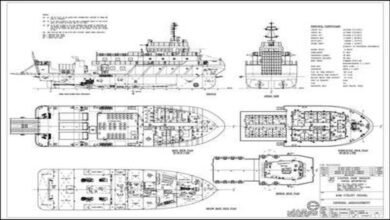
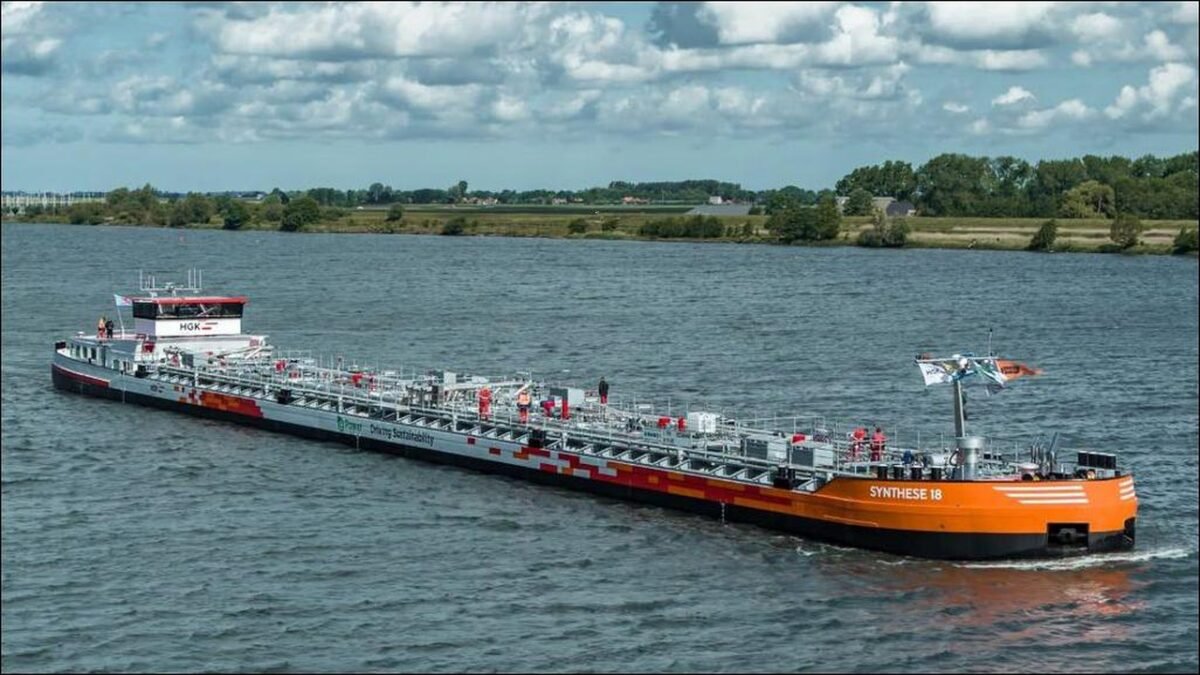
HGK’s bold proposal directly addresses the escalating challenges faced by inland shipping on the Rhine. Their core strategy revolves around a massive fleet renewal program, emphasizing the construction of up to 1,000 new shallow-draft inland cargo vessels. These advanced vessels are specifically engineered to navigate significantly lower water depths, ensuring continued operability even when traditional barges are stranded. HGK’s own newly-designed Synthese 18 inland tanker serves as a prime example of this innovative approach. Unlike conventional vessels that are entirely halted by low water at Kaub, the Synthese 18 can still transport nearly 500 tonnes of cargo, demonstrating the tangible benefits of this specialized design.
Steffen Bauer, CEO of the HGK Group, articulated the critical importance of this initiative: “That’s exactly what’s at stake with our demand for as many as 1,000 modern vessels: keeping industrial supply chains moving for longer, even if water levels are extremely low.” This statement highlights the plan’s focus on operational continuity and supply chain stability. The proposed fleet will feature optimized hull forms, lightweight materials, and propulsion systems tailored for low-water conditions, maximizing cargo capacity even under adverse circumstances. This technological leap is not merely an upgrade; it represents a fundamental rethinking of Rhine river transport infrastructure to align with future climate realities.
By embracing a fleet composed primarily of these highly adaptable vessels, the European inland waterways network can regain its reliability and resilience. The investment in these shallow-draft barges will mitigate the economic damage caused by droughts, allowing industries to maintain production schedules and avoid costly logistical reconfigurations. Furthermore, the plan encourages domestic European shipbuilding, fostering innovation and creating skilled jobs within the continent. This strategic move ensures that the technological expertise and manufacturing capabilities remain local, strengthening Europe’s industrial base and its capacity for future maritime innovation.
Economic Imperatives and European Shipbuilding
The $14.5 billion investment proposed by HGK is not merely an expense; it is a critical investment in the long-term economic stability and drought resilience of Europe. The costs associated with disrupted supply chains, production stoppages, and increased alternative transport expenses far outweigh the capital outlay for fleet modernization. By preemptively addressing the impact of low water levels, Europe can avoid billions in lost economic output and safeguard its competitive edge in global markets. The financing structure for such a large-scale undertaking would inevitably involve a blend of private investment and significant government support, recognizing the public good derived from a robust and reliable inland transport system.
Crucially, HGK’s plan emphasizes that these 1,000 new vessels should be built in Europe. This commitment to local manufacturing serves multiple strategic objectives. Firstly, it supports European shipbuilding expertise and facilities, which have faced stiff competition from overseas. This rejuvenation of the domestic shipbuilding sector would lead to substantial job creation, from design and engineering to manufacturing and maintenance, across various EU member states. Secondly, it ensures that the vessels are built to stringent European quality and environmental standards, further enhancing the overall sustainability profile of the new fleet. Keeping the construction within Europe also allows for closer collaboration between operators, shipyards, and research institutions, fostering continuous innovation in shallow-draft technology.
The economic ripple effect extends beyond shipbuilding. A revitalized Rhine inland shipping sector provides greater certainty for industrial companies reliant on the waterway for raw materials and product distribution. This predictability helps businesses plan more effectively, reduce buffer stocks, and maintain leaner, more efficient supply chains. Government support, perhaps through subsidies, preferential loans, or investment grants, would be instrumental in accelerating the transition. Such public-private partnerships are essential for overcoming the initial high investment hurdles and ensuring that the strategic imperative of climate adaptation is met with sufficient financial backing.
Securing Supply Chains and Adapting to Climate Realities
The overarching goal of HGK’s ambitious plan is to secure industrial supply chains and provide a robust response to the increasingly undeniable realities of climate change. By transitioning to a fleet of shallow-draft vessels, Europe can ensure that critical industries, from chemical plants to power stations, maintain their access to vital raw materials and distribution channels, even during extreme environmental conditions. This proactive adaptation is essential for energy security, food security, and the stability of the entire European manufacturing base. The initiative represents a forward-thinking approach to infrastructural resilience, acknowledging that past norms for river navigation are no longer sufficient.
The deployment of a new, highly adaptable barge fleet offers a path towards greater self-sufficiency and reduced dependence on less sustainable and often capacity-constrained alternatives like road and rail during times of crisis. It reinforces the strategic importance of inland waterways as a sustainable mode of transport, with lower emissions and reduced road congestion compared to land-based alternatives. This fleet modernization is a cornerstone of a broader sustainability strategy for European logistics, demonstrating how economic activity can adapt and thrive in the face of environmental challenges.
Ultimately, HGK’s $14.5 billion blueprint is more than just a shipbuilding program; it is a strategic investment in Europe’s future. It signifies a clear commitment to proactively managing the impacts of climate change on critical infrastructure, ensuring the enduring viability of the Rhine as a major economic artery. By embracing innovative shallow-draft technology and fostering European industrial cooperation, the continent can build a drought-resilient Rhine barge fleet capable of weathering future environmental uncertainties, securing its supply chains, and reinforcing its position as a leader in sustainable logistics and climate adaptation. This plan offers a tangible solution to a pressing problem, charting a course for robust inland navigation for generations to come.