Major Insurers Cancel Red Sea War Risk Cover | Mariner News
The global maritime industry faces a significant shift in its risk landscape, particularly concerning operations in the volatile Red Sea region. Following Skuld, leading maritime insurers are canceling certain Red Sea war risk cover for vessels navigating this critical waterway and adjacent areas. This marks a pivotal moment, introducing heightened uncertainty and substantially impacting shipowners, charterers, and cargo interests. The decision by prominent protection and indemnity (P&I) clubs and other marine insurers underscores grave concerns surrounding escalating geopolitical tensions and tangible threats. These ripple effects are poised to permeate global supply chains, potentially increasing freight costs, extended transit times, and re-evaluating established shipping routes globally.
Escalating Tensions Driving Insurance Withdrawals
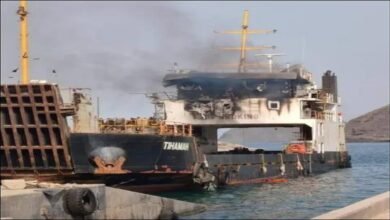
Widespread insurance cancellations directly respond to a rapidly deteriorating security situation across the Red Sea, Gulf of Aden, and parts of the Indian Ocean. Recent attacks on commercial vessels, primarily attributed to Houthi forces from Yemen, have intensified fears within the maritime community. These incidents, involving drones, missiles, and boarding attempts, transformed this bustling artery of global trade into a high-risk zone. Houthi actions, framed as broader geopolitical responses, have targeted specific vessels, creating an indiscriminate threat for all maritime traffic traversing the Bab el-Mandeb Strait.
Maritime insurers operate on a finely tuned balance of risk assessment and financial viability. Continuous escalation of aggression and unpredictable attacks significantly altered this equilibrium. For reinsurers, who back primary insurers, increased incident frequency and severity translate into unmanageable exposure. Consequently, withdrawing or restricting war risk cover is a calculated response where claims likelihood is unacceptably high. Cancellation notices from major players like Gard, UK P&I, London P&I, and NorthStandard, often citing reinsurers, highlight systemic pressure across the marine insurance sector, affirming operational risks in specified zones now exceed traditional parameters.
Specifics of the War Risk Cover Cancellations
Stakeholders must understand these insurance withdrawals’ specific parameters. Notices from various marine insurers, including Skuld, Gard, UK P&I, London P&I, and NorthStandard, do not represent a blanket cessation of all insurance services in the Red Sea or adjacent waters. Instead, they pertain to certain war risk covers and apply to specified geographical areas. Typically, these cancellations relate to additional war risk premiums (AWRP) covering hostile acts, piracy, terrorism, and other conflict-zone perils. Affected areas consistently include the Red Sea, Gulf of Aden, and parts of the Indian Ocean.
Cancellations are often predicated on a 7-day notice period, after which existing war risk policies become null and void. For vessels transiting these areas, new, more expensive, and restrictive war risk insurance terms must be negotiated, involving substantially higher additional premiums tailored to the exact route and duration. Some insurers noted these changes stem from their reinsurers’ cancellation notices, indicating a top-down adjustment to global insurance markets’ risk appetite. While general war risk cover might be curtailed, other insurance forms, like hull and machinery (H&M) or cargo insurance, may remain effective, albeit with new exclusions. Shipping companies are thus compelled to meticulously review existing policies and proactively engage marine insurance brokers to ascertain remaining coverage and costs for securing adequate protection.
Immediate and Long-Term Impacts on Global Shipping
The withdrawal of readily available war risk cover carries profound implications for the global shipping industry. Foremost is the immediate financial burden. Shipowners and operators navigating the Red Sea now face significantly elevated insurance premiums, adding hundreds of thousands, or even millions, to a single voyage. These costs are ultimately passed down the supply chain, impacting charterers, cargo owners, and consumers through higher prices for goods. The unexpected surge in operational expenses erodes profit margins, potentially making certain routes economically unfeasible.
Beyond direct costs, cancellations force a strategic re-evaluation of established shipping routes. Many major container lines, tanker operators, and bulk carriers have opted to divert vessels around the Cape of Good Hope, bypassing the Suez Canal and Red Sea entirely. While this avoids immediate security threats and prohibitive insurance costs, it adds considerable time and fuel consumption. A journey from Asia to Europe can be extended by 7-14 days, leading to significant delays, increased bunker fuel expenses, and greater wear and tear on vessels. This routing change impacts vessel availability, tightening capacity in global shipping markets and driving up freight rates.
In the long term, these developments could lead to permanent shifts in trade patterns and supply chain resilience. Businesses may increasingly diversify shipping routes, explore nearshoring, or invest in greater inventory buffers. The Red Sea’s perception as a safe, efficient transit corridor has been damaged, influencing regional port infrastructure investment. Increased risk premiums could deter smaller operators, consolidating market power among larger, more resilient shipping entities. This instability creates uncertainty, impacting global trade forecasts, commodity prices, and broader economic stability, making effective risk management even more critical.
Strategies for Navigating the Evolving Maritime Risk Landscape
In light of changes to Red Sea war risk cover, shipping companies must adopt proactive, comprehensive strategies. A thorough review of existing insurance policies and engaging marine insurance brokers is paramount. Ascertaining remaining coverage, new exclusions, and specialized war risk insurance costs for high-risk transits is crucial. Brokers provide up-to-date market insights on available coverage, current premium rates, and alternative maritime security solutions. Route optimization and strategic planning are also critical. Diverting around the Cape of Good Hope is often preferred due to lower risk and predictable costs compared to escalating Red Sea premiums. Companies must conduct detailed cost-benefit analyses, factoring in fuel, transit times, delays, and security measures versus elevated insurance premiums.
For vessels traversing the Red Sea, enhanced security protocols are indispensable, including naval advisories, BMP5 implementation, and potentially armed security personnel. Effective communication and transparency across the supply chain are vital. Cargo owners and charterers need clear, timely information regarding route changes, potential delays, and revised cost structures. Robust contingency plans, including alternative port options and multimodal transport, help maintain flexibility. Continuous monitoring of geopolitical developments and security intelligence is crucial for informed decisions. Subscribing to maritime security updates and engaging with industry bodies provides essential real-time information. Ultimately, navigating this complex landscape requires a dynamic approach to risk management, combining robust insurance planning with flexible operational strategies and a deep understanding of the prevailing geopolitical climate.
Conclusion
The collective decision by leading maritime insurers to restrict war risk cover in the Red Sea and adjacent waters marks a significant turning point for global shipping. Triggered by persistent Houthi attacks, this move highlights the fragility of key maritime arteries and the immense challenges faced by the industry. The impact is substantial: soaring operational costs, forced route diversions, and considerable uncertainty. Shipowners and stakeholders must contend with a new paradigm of risk and cost, necessitating meticulous insurance reviews, strategic planning, enhanced security, and transparent communication. This crisis underscores the critical interdependence of geopolitical stability, maritime security, and global economic well-being, demanding persistent vigilance and adaptive strategies from all participants in international trade.