Trump: Lincoln’s Record Deployment ‘Not Long Enough’ | Mariner News
President Donald Trump has ignited a fervent national discussion following his controversial remarks regarding the record-setting carrier deployment of the USS Abraham Lincoln. Amidst increasing reports of dire conditions, mental health struggles, and even alleged suicide attempts aboard the warship, Trump stated unequivocally on Friday that the Lincoln’s deployment, which has already exceeded 200 continuous days at sea, was “not nearly long enough.” This declaration comes as hundreds of families of the deployed sailors express profound alarm over the well-being of their loved ones, painting a starkly different picture from the assurances offered by naval leadership. The profound disparity between official narratives and the lived experiences of those serving on the front lines raises critical questions about military readiness, crucial sailor support, and the human cost of prolonged overseas assignments.
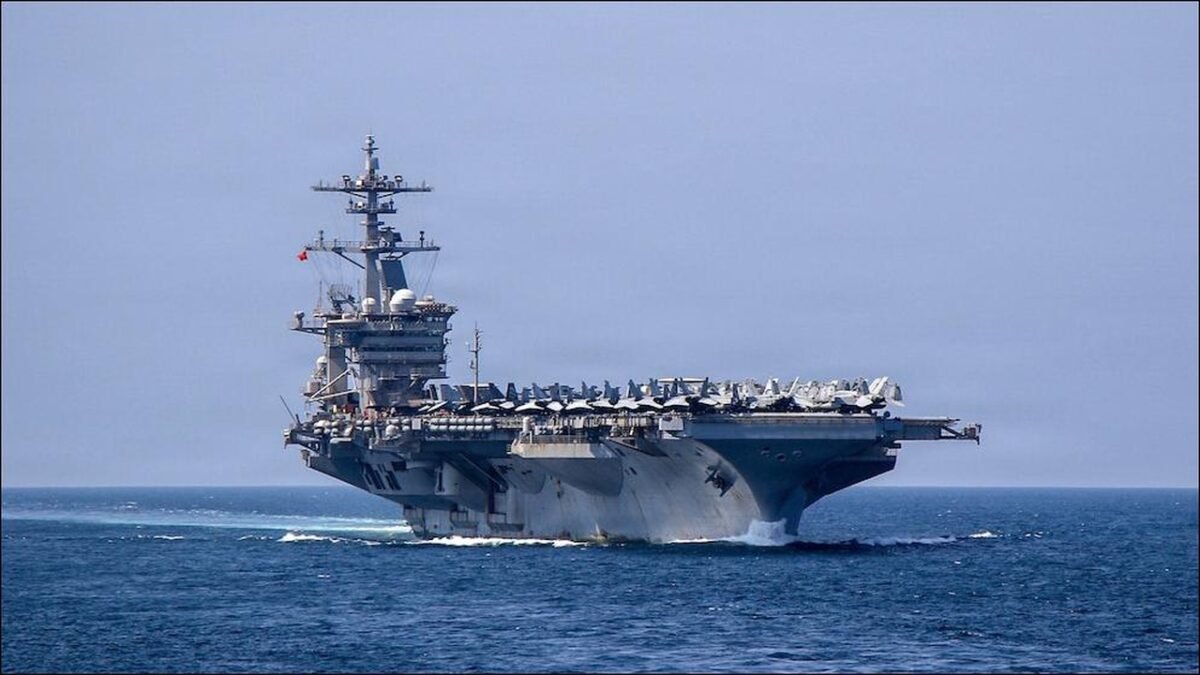
The USS Abraham Lincoln has been stationed in the strategically vital Arabian Sea, actively supporting ongoing operations in the war with Iran. Its prolonged presence has stretched the limits of traditional naval deployments, leading to widespread concern among advocacy groups and the public. While top leaders assert that the vessel is well-resourced and capable of supporting its crew, leaked details and family testimonials suggest a far more challenging reality. The tension between military necessity and human endurance forms the core of this unfolding saga, highlighting the complexities faced by modern maritime forces.
Controversy Over Sailor Welfare and Extended Deployment Length
Reports emanating from the USS Abraham Lincoln describe conditions that challenge the notion of a well-supported crew. Claims of poor living conditions, including food rationing and inadequate rest, have been widely circulated, fueling the anxieties of families back home. These concerns reached a critical point when President Trump weighed in on the situation, directly contradicting the prevailing sentiment that the deployment was already excessively long. His assertion that the carrier deployment was “not nearly long enough” shocked many, particularly those directly affected by the crew’s protracted absence and reported hardships.
Defense Secretary Pete Hegseth echoed a similar sentiment, stating that “every ship, every crew, every captain has everything we can provide them at every single moment.” Such declarations, while intended to reassure, have largely fallen flat for family members who cite personal anecdotes and direct communications from their loved ones that paint a picture of severe strain. The official narrative appears increasingly disconnected from the ground truth, leading to accusations of downplaying serious issues that impact the welfare of naval personnel.
Many experts and former military personnel have voiced concerns that such extended operations, while tactically necessary in some circumstances, inherently place immense pressure on the human element. The cumulative stress of constant readiness, separation from family, and the monotony of life at sea can erode morale and resilience. This specific long deployment has become a case study in the challenges of balancing strategic objectives with the well-being of the dedicated individuals who execute these vital missions.
Escalating Mental Health Crisis and Suicide Concerns
The most alarming details to emerge from the USS Abraham Lincoln involve serious mental health concerns and alleged suicide attempts. Despite the Navy’s assertion that there isn’t “a rash of mental health issues” aboard the ship, reports continue to leak out, indicating a more troubling situation. One particularly harrowing account involved a sailor who reportedly jumped overboard on August 3rd. The sailor was thankfully rescued after an hour in the waters of the Arabian Sea and is now scheduled for transfer to a medical facility in San Diego, according to an email from the survivor’s squadron master chief seen by MS Now.
Three U.S. officials subsequently confirmed this report to CNN, with one adding that the individual had prudently donned a life vest before the jump and was fortunately uninjured. This incident, however, is not isolated. Separate reports indicate that an additional individual had attempted to jump off the Lincoln’s deck but was restrained by fellow crewmembers. Furthermore, there are unspecified numbers of other attempts that were narrowly averted, underscoring a systemic issue that goes beyond isolated incidents.
The psychological toll of prolonged deployments and the high-stress environment of warship operations cannot be overstated. Mental health experts consistently highlight the increased risk factors associated with extended periods of isolation, lack of privacy, and constant operational pressure. For sailors serving far from home for over 200 days, access to adequate mental health resources and support systems becomes paramount. The perceived inadequacy of such support in this context fuels the families’ anguish and raises serious questions about the Navy’s commitment to the mental well-being of its naval personnel.
Family Outcry and Demands for Accountability
The collective voice of hundreds of family members of Lincoln sailors has become a powerful force in this evolving narrative. Their complaints range from the aforementioned subpar conditions and food rationing to a general feeling of neglect and lack of transparency from naval authorities. These military families are not just passively observing; they are actively seeking answers, advocating for better conditions, and demanding accountability from leadership. They have utilized various platforms to share their stories, drawing public attention to the plight of their loved ones.
For many of these families, the emotional burden is immense. The uncertainty surrounding their loved ones’ safety and well-being, coupled with the official assurances that seem to contradict daily realities, creates a profound sense of frustration and helplessness. They are not merely asking for comfort but for tangible improvements in sailor support services, including more frequent communication, better access to medical and mental health care, and clearer rotation schedules. Their persistent calls for action highlight a critical need for military institutions to listen more closely to the concerns emanating from the home front.
The widespread outcry from military families serves as a stark reminder that the strength of any defense force is intrinsically linked to the welfare of its personnel and their support networks. Ignoring these pleas not only risks the health and morale of individual sailors but could also have broader implications for recruitment and retention within the U.S. Navy. The demand for greater transparency and immediate intervention underscores a deeply held belief that the sacrifices made by naval personnel should be met with unwavering commitment to their care and well-being.
Broader Implications for U.S. Naval Readiness
The unfolding situation aboard the USS Abraham Lincoln carries significant implications for the overall readiness and future capabilities of the U.S. Navy. A military force is only as strong as its personnel, and sustained periods of poor morale, mental health challenges, and perceived neglect can severely impact operational effectiveness. If sailors are struggling with basic needs, emotional distress, or concerns about their families, their ability to perform high-stakes duties on a warship is undeniably compromised. This directly affects the Navy’s capacity to project power and maintain its global strategic presence.
Furthermore, incidents like these can have a chilling effect on recruitment and retention. Young individuals considering a career in the maritime forces are likely to be influenced by reports of adverse conditions and inadequate support during long-duration naval deployments. A reputation for neglecting military personnel welfare could deter potential recruits, making it harder to fill critical roles and maintain the highly skilled workforce necessary for complex carrier operations. This long-term consequence could undermine the very foundations of national security.
The balance between strategic imperatives and human welfare is a delicate one. While geopolitical realities often necessitate prolonged overseas assignments, the manner in which these assignments are managed, and the level of support provided, are crucial. The Lincoln’s situation forces a re-evaluation of current defense policy and resource allocation, emphasizing that investing in the human capital of the U.S. Navy is not merely a humanitarian gesture but a strategic imperative essential for maintaining a robust and ready fighting force. The readiness of our naval personnel is directly proportional to the investment in their health, well-being, and morale.
Charting a Course Forward: Prioritizing Personnel in Modern Naval Deployments
Addressing the challenges highlighted by the USS Abraham Lincoln’s record-setting carrier deployment requires a multi-faceted approach focused squarely on the welfare of naval personnel. Enhanced mental health resources, including easily accessible counseling services, telehealth options, and increased onboard psychological support, are paramount. These services must be robust, confidential, and destigmatized, encouraging sailors to seek help without fear of professional repercussions. Proactive mental health screenings and preventative programs should also become standard practice for long deployments.
Beyond mental health, a critical review of deployment cycles and rotation policies is necessary. While operational demands are undeniable, the Navy must explore more sustainable models that prioritize crew rest, family reintegration, and predictable downtime. This might involve more frequent port calls, shorter deployment durations where feasible, or improved personnel rotation systems to alleviate the cumulative stress. Clearer communication channels between deployed sailors, their families, and naval command are also essential to build trust and provide timely updates and support during these challenging overseas assignments.
Ultimately, the situation aboard the USS Abraham Lincoln serves as a powerful reminder that the human element is the most valuable asset in any military force. Prioritizing sailor support through improved living conditions, comprehensive mental health services, and more humane deployment schedules is not merely an ethical obligation but a strategic necessity. By investing in the well-being of its military personnel, the U.S. Navy can ensure not only the readiness of its fleet but also the sustained strength and morale of its dedicated maritime forces for generations to come. This commitment will define the future of American naval power and its ability to effectively execute critical naval operations globally.