Fleetzero Marine Battery System Gains ABS Approval | Mariner News
In a pivotal moment for sustainable maritime innovation, US-based Fleetzero has achieved a significant milestone: its cutting-edge marine battery system has officially received classification approval from the American Bureau of Shipping (ABS). This crucial endorsement solidifies Fleetzero’s position as a frontrunner in developing advanced energy storage solutions for the global fleet, marking a transformative step towards vessel electrification and the broader decarbonization of the shipping industry. The approval of Fleetzero’s Leviathan lithium iron phosphate battery system is not merely a technical certification; it represents a powerful signal to the maritime sector that safe, reliable, and high-performance battery technology is now ready for widespread adoption, poised to revolutionize how vessels are powered and operated across the world’s oceans. This development is set to accelerate the transition away from conventional fossil fuels, offering a tangible pathway to greener, more efficient maritime operations.
Fleetzero’s Leviathan: A Breakthrough in Marine Energy Storage
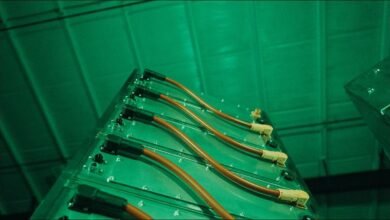
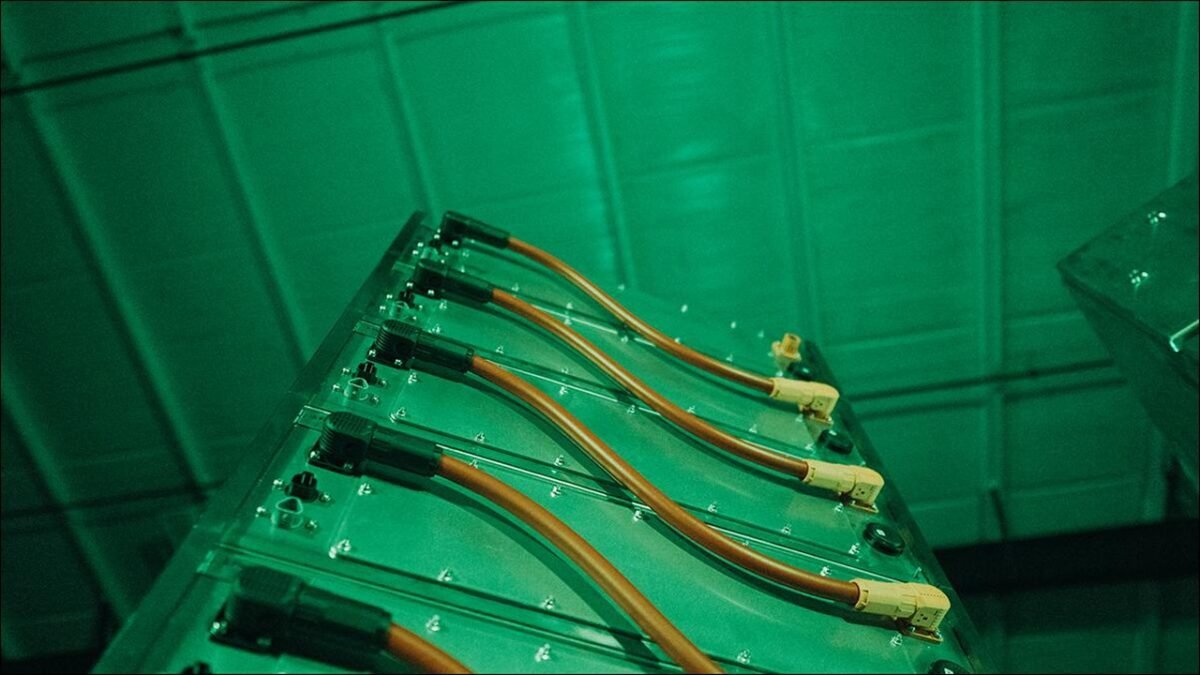
The heart of this groundbreaking achievement is Fleetzero’s Leviathan marine battery system, a meticulously engineered lithium iron phosphate (LFP) energy storage solution designed specifically for the rigorous demands of the marine environment. The choice of LFP chemistry is deliberate, prized for its inherent safety, long cycle life, and thermal stability, making it an ideal candidate for onboard power applications where reliability is paramount. The Leviathan system boasts impressive specifications, capable of operating at up to 1,000 VDC, which provides robust power delivery for various vessel types. Its IP67 rating further underscores its suitability for maritime use, indicating exceptional protection against dust and water ingress, ensuring durability and performance even in harsh marine conditions.
What truly sets the Leviathan apart is its ingenious modular, containerized design. This innovative approach allows for unparalleled flexibility in deployment, enabling the system to be seamlessly integrated across a diverse range of vessel types, from cargo ships and ferries to offshore support vessels and tugboats. This adaptability simplifies installation and scaling, offering shipowners and operators a customizable energy solution that can be tailored to specific operational profiles and power requirements. Steven Henderson, CEO of Fleetzero, eloquently articulated the system’s impact: “The maritime industry needs proven, class-approved energy storage that is built on a safe, scalable chemistry. The Leviathan delivers exactly that, and we are putting it to work immediately.” This statement highlights the immediate utility and strategic importance of Fleetzero’s offering, addressing a critical need for advanced, scalable maritime energy storage systems.
The Significance of ABS Classification Approval
Receiving ABS classification approval is a monumental achievement in the maritime world, signifying that Fleetzero’s marine battery system meets the stringent safety and performance standards set by one of the leading classification societies globally. ABS, known for its rigorous evaluation processes, conducts comprehensive product design assessment approvals that cover every aspect of a system’s engineering, manufacturing, and operational integrity. This process involves meticulous review of technical documentation, extensive testing protocols, and verification of compliance with international regulations and industry best practices. For vessel operators and shipyards, an ABS approval provides an invaluable assurance of quality, safety, and reliability, mitigating risks associated with adopting new technologies.
This stamp of approval from ABS is more than just a regulatory hurdle; it acts as a powerful catalyst for wider adoption of marine battery technology. It instills confidence among stakeholders, including insurers, financiers, and naval architects, that the Leviathan system is not only technologically advanced but also meets the highest benchmarks for marine application. In an industry where safety is non-negotiable, particularly with energy storage solutions, ABS approval serves as a critical differentiator, paving the way for Fleetzero to deploy its systems with an unquestionable seal of trust. It underscores the battery system’s compliance with established safety protocols, fire protection measures, and environmental standards, crucial factors for any new technology entering the sensitive maritime ecosystem. This rigorous third-party verification is essential for accelerating the energy transition, as it de-risks investment and deployment decisions for shipowners looking to embrace greener propulsion technologies.
Driving Vessel Electrification and Hybrid Propulsion
Fleetzero’s ABS-approved marine battery system is poised to be a cornerstone of the burgeoning vessel electrification movement and the widespread adoption of hybrid-electric propulsion. The initial commercial deployment of the Leviathan system is a testament to its practical applicability and immediate impact. Later this year, a vessel will be equipped with 10 MWh of battery capacity as part of a comprehensive conversion to hybrid-electric propulsion. This significant energy capacity will allow the vessel to operate with substantially reduced reliance on traditional diesel engines, leading to lower fuel consumption, decreased operational costs, and a dramatic reduction in harmful emissions. Hybrid-electric systems utilize batteries to store energy, allowing engines to run at optimal loads, providing power during peak demands, and even enabling fully electric operation in port or sensitive environmental zones.
The benefits of hybrid-electric propulsion powered by advanced marine battery systems like Leviathan are extensive. Beyond the immediate environmental advantages of cutting greenhouse gas emissions and local pollutants, these systems offer enhanced operational flexibility. They can enable silent operation, which is particularly beneficial for passenger vessels or those operating in noise-sensitive areas. Furthermore, the ability to ‘peak shave’ – drawing power from batteries during high-demand periods and recharging during low-demand periods – optimizes engine performance, reduces wear and tear, and extends maintenance intervals for conventional power plants. This technological shift is not merely an incremental improvement; it represents a fundamental rethinking of marine power architecture, moving towards more resilient, efficient, and environmentally responsible solutions. Fleetzero’s system directly supports the maritime industry’s drive towards higher energy efficiency and sustainable operations, aligning perfectly with global mandates for cleaner shipping.
Paving the Way for Sustainable Maritime Decarbonization
The approval and subsequent deployment of Fleetzero’s marine battery system represent a critical leap forward in the broader journey towards sustainable maritime decarbonization. The international maritime sector is under immense pressure to reduce its environmental footprint, driven by increasingly stringent regulations from bodies such as the International Maritime Organization (IMO). Initiatives like the IMO’s greenhouse gas reduction strategy, which targets a 50% cut in emissions by 2050 compared to 2008 levels, necessitate a rapid transition to low- and zero-carbon technologies. Marine battery energy storage systems are a vital component of this transition, providing the energy backbone for electric and hybrid vessels, and enabling the integration of renewable energy sources onboard ships.
Fleetzero’s contribution extends beyond just powering individual vessels; it accelerates the development of an entire ecosystem of green shipping solutions. By providing a proven, class-approved battery system, Fleetzero empowers shipowners to invest in retrofits and newbuilds that are compliant with future environmental regulations and economically viable in a carbon-constrained world. The Leviathan system, with its robust design and modularity, serves as a tangible example of how innovative technology can meet the complex challenges of maritime decarbonization. This advancement not only mitigates climate change impacts but also positions the maritime industry for long-term sustainability and competitiveness. As the industry continues its voyage towards net-zero emissions, the role of advanced marine battery technology, exemplified by Fleetzero’s Leviathan, will become increasingly indispensable, guiding the way to a cleaner, more efficient, and environmentally responsible future for global shipping. The successful integration and widespread adoption of such systems will be pivotal in achieving the ambitious climate goals set for the coming decades, making clean shipping a reality rather than just an aspiration.