

Regular Bioethanol Bunkering Begins at the Port of Santos
Regular bioethanol bunkering has officially commenced at the Port of Santos, signaling a transition from experimental trials to a sustainable, commercial-scale bunkering model. The milestone follows a collaborative initiative involving Copersucar, CMA CGM, Bunker One, AGEO Terminais, Santos Brasil, and the Santos Port Authority. The operational shift was confirmed on October 19 with the bunkering […]
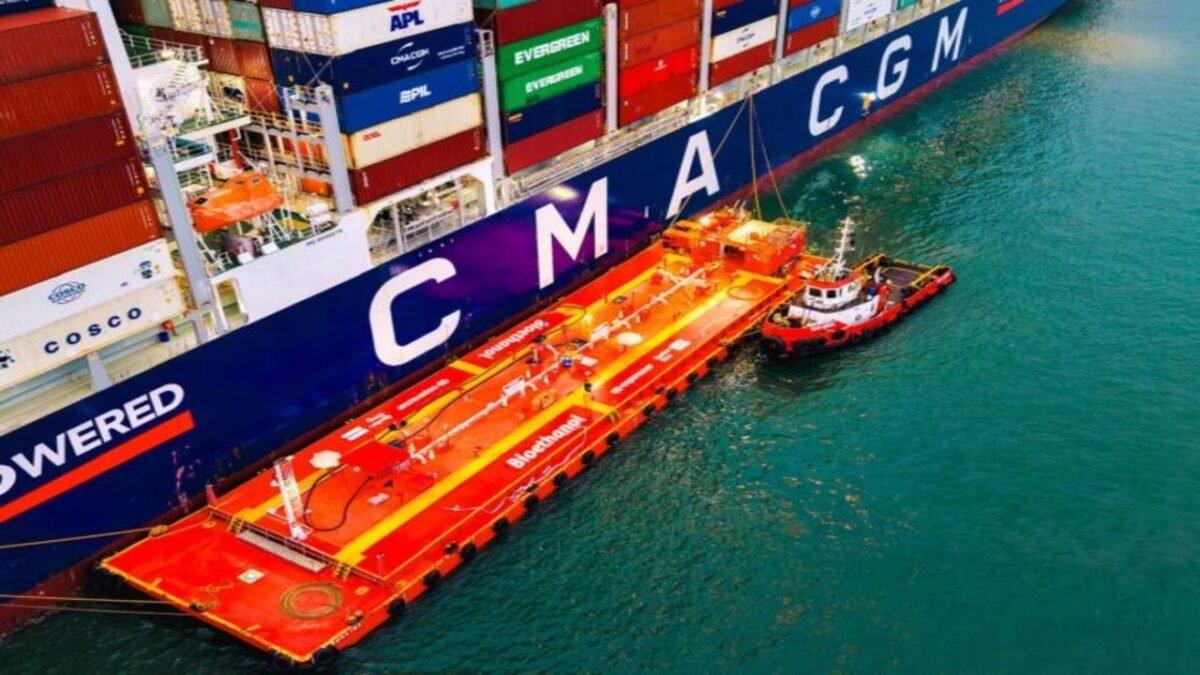
Regular bioethanol bunkering has officially commenced at the Port of Santos, signaling a transition from experimental trials to a sustainable, commercial-scale bunkering model. The milestone follows a collaborative initiative involving Copersucar, CMA CGM, Bunker One, AGEO Terminais, Santos Brasil, and the Santos Port Authority.
The operational shift was confirmed on October 19 with the bunkering of the 13,000-TEU container ship CMA CGM IRON. The vessel is equipped with the Everllence-B&W G95ME-C10.5-LGIM tri-fuel engine, the first of its kind certified for bioethanol combustion. This development moves beyond the initial pilot operation conducted in July, establishing a repeatable framework for low-carbon fuel supply in the region.
Commercial and Operational Implications
By moving to a regular supply cadence, the stakeholders are addressing a critical infrastructure gap in the adoption of alcohol-based marine fuels. The transition indicates that the logistical challenges of handling, certifying, and transferring bioethanol within a high-traffic port environment have been resolved to a standard acceptable for commercial container shipping.
For regional supply chains, the emergence of a domestic bioethanol bunkering hub offers a strategic advantage. It leverages Brazil’s existing, certified sugarcane-based supply chain, potentially insulating early adopters from the volatility and supply bottlenecks often associated with synthetic or alternative green fuel markets elsewhere. For vessel operators, the ability to utilize bioethanol at Santos creates a viable path for decarbonizing specific trade routes without relying solely on long-range fuel procurement strategies.
Future Outlook
Multiple additional bunkering operations for the CMA CGM fleet are scheduled to take place at the Port of Santos before the end of the year. This steady demand signal is intended to validate the economic and operational viability of the fuel, providing a roadmap for the scaling of low-carbon energy ecosystems within international shipping ports.