Yemen Houthis Impose Maritime Embargo on Saudi Arabia | Mariner News
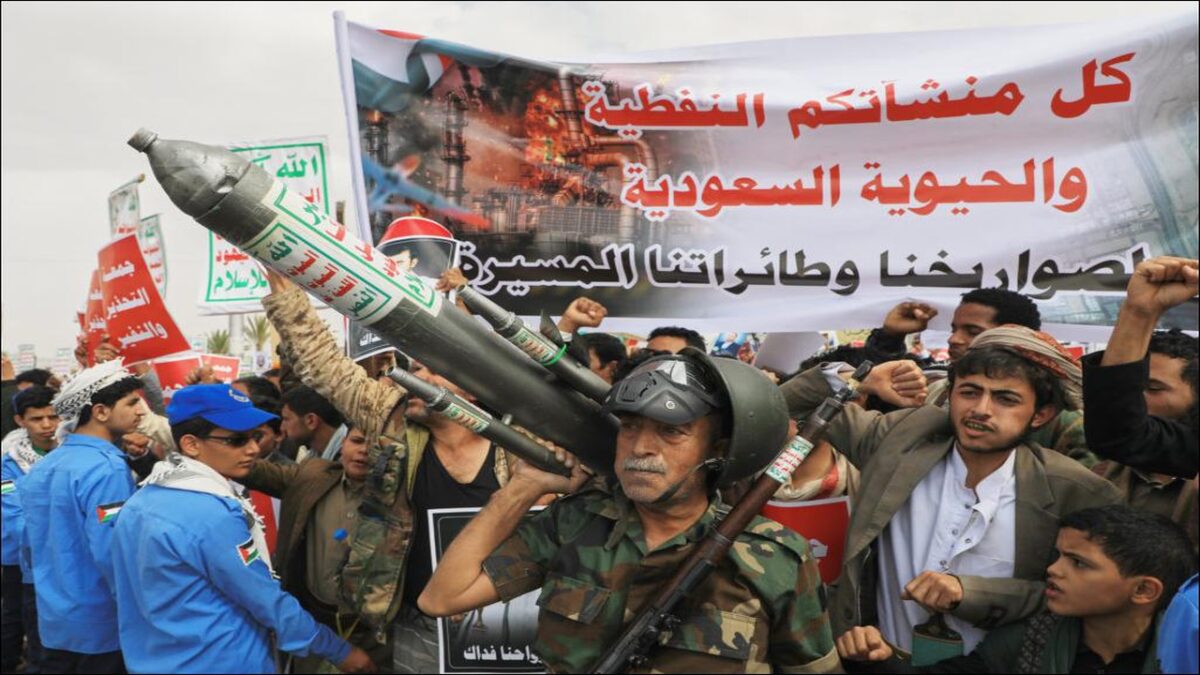
Yemen’s Houthi rebels have declared a maritime embargo against Saudi Arabia, a significant escalation in the ongoing conflict promising fresh volatility in Middle Eastern shipping lanes and global oil markets. This dramatic announcement by Houthi military spokesperson Yahya Saree signals direct retaliation for recent hostilities, specifically an alleged attack on Sanaa Airport. The immediate implementation of this maritime ban, described as an “eye for an eye” response, raises serious questions about its scope, enforcement, and potential for widespread disruption to crucial sea trade and oil transport in the Red Sea region. Following sustained Houthi attacks on commercial vessels in the Bab al-Mandab Strait related to the Israel-Hamas conflict, this declaration underscores a dangerous broadening of regional tensions and poses new challenges for international shipping security and energy supply chains.
The Embargo’s Immediate Implications for Shipping
The Houthi announcement of a maritime embargo against Saudi Arabia immediately challenges commercial shipping operations in the Red Sea and Gulf of Aden. While spokesperson Yahya Saree confirmed its immediate effect, the precise nature and enforcement of this “maritime ban” remain notably vague. This ambiguity fuels market uncertainty, forcing shipping companies and insurers to contend with an undefined yet potent new threat. An embargo could range from targeted interdiction of Saudi-flagged vessels or those bound for Saudi ports, to a broader interpretation affecting any vessel perceived as serving Saudi interests.
This development builds upon a perilous Houthi precedent. Their sustained drone and missile attacks against international merchant shipping in the Red Sea and Bab al-Mandab Strait, justified as solidarity with Palestinians, have already rerouted hundreds of vessels, causing increased transit times and soaring insurance premiums. Over 100 vessels were reportedly attacked. The Houthi maritime embargo thus expands their capability to weaponize critical waterways, directly threatening seafarer safety, disrupting global trade, and raising commodity prices. The international community, grappling with maritime security complexities, now faces an intensified threat.
Geopolitical Tensions and Regional Stability
The maritime embargo directly results from escalating hostilities between Houthi rebels and the Saudi-led coalition. Recent retaliatory strikes, including an alleged Houthi attack on Sanaa International Airport and coalition strikes on Abha airport in Saudi Arabia, last week dramatically threatened a fragile truce in place since 2022. Yahya Saree’s “eye for an eye” rhetoric highlights the entrenched cycle of violence destabilizing the Arabian Peninsula.
This latest Houthi move, explicitly targeting Saudi Arabia’s maritime commerce, signals a calculated decision to elevate economic pressure. It shifts the battlefield from localized skirmishes to vital global trade arteries. This strategy not only pressures Riyadh but complicates international peace efforts by introducing new risks. The immediate Houthi goal is to force concessions from the Saudi-led coalition by disrupting the kingdom’s economic lifelines, particularly its crucial oil transport capabilities, echoing previous actions against Red Sea shipping.
The implications for regional stability are profound. Further escalation could draw in other regional actors, exacerbating rivalries and potentially igniting a wider conflict. The intricate web of Middle Eastern alliances means actions by one party swiftly reverberate, impacting energy security, trade routes, and geopolitical balances far beyond Yemen. The international community watches, concerned this development could unravel diplomatic efforts and deepen regional turmoil, impacting maritime security on an unprecedented scale.
Impact on Oil Markets and Energy Security
The Houthi maritime embargo against Saudi Arabia sends immediate ripples through global oil markets and poses a direct threat to energy security. Saudi Arabia, the world’s largest crude oil exporter, relies heavily on maritime routes for its oil shipments. The kingdom’s strategic East-West Pipeline (Petroline) transports oil from eastern fields directly to Red Sea terminals, bypassing the Strait of Hormuz—often called Iran’s “chokehold”—a narrow waterway crucial for a significant portion of the world’s seaborne oil.
The pipeline and Red Sea shipping route provide a critical alternative for Saudi oil transport, mitigating Persian Gulf risks. However, with Houthis now explicitly threatening maritime shipping in the Red Sea, this bypass route faces severe pressure. Any successful interdiction, or even a credible threat, could force Saudi Arabia to reassess its shipping strategies, potentially leading to increased costs, delays, and tighter global crude supplies. Such an eventuality would drive up global oil prices, impacting economies worldwide already grappling with inflation.
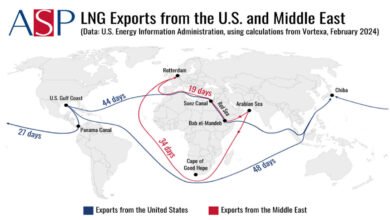
Moreover, heightened risk to tanker shipping in the Red Sea will undoubtedly surge insurance premiums, making maritime oil transport through this corridor significantly more expensive. Shipping lines might reroute vessels around the Cape of Good Hope, a much longer and costlier journey, exacerbating delays and increasing fuel consumption. This creates profound uncertainty for the energy sector, highlighting the interconnectedness of geopolitical stability and global commodity flows. The Houthi maritime embargo represents not just a regional security crisis but a potential global economic disruptor, particularly for sensitive oil markets and tanker operations.
International Response and Future Outlook
The Houthi maritime embargo on Saudi Arabia has predictably alarmed the international community, prompting calls for immediate de-escalation and renewed diplomatic efforts. Global powers and international shipping organizations are closely monitoring, recognizing potential widespread disruption to global trade and energy supplies. A clear consensus exists on safeguarding freedom of navigation in critical waterways like the Red Sea. The immediate challenge for shipping companies is navigating this new layer of risk, especially given existing complexities from ongoing attacks in the Southern Red Sea and Gulf of Aden.
For international maritime operators, the situation presents a formidable challenge. Ambiguity surrounding the embargo’s enforcement demands heightened vigilance for all vessels transiting the region, particularly those with any perceived link to Saudi Arabia. Decisions regarding route changes, enhanced security, and insurance coverage will become more critical, leading to increased operational costs and potential delays. Long-term implications for maritime trade extend beyond immediate financial burdens; a sustained threat could fundamentally alter established global trade routes, with significant economic consequences for nations reliant on these vital sea lanes and tanker operations.
Looking ahead, resolving this crisis hinges on complex diplomatic maneuvers and a re-evaluation of the existing truce in Yemen. The international community will likely intensify pressure on all parties to return to negotiations, emphasizing the catastrophic humanitarian and economic fallout of further escalation. However, given the deep-seated grievances and strategic objectives of the Houthi movement and the Saudi-led coalition, achieving a peaceful resolution to this maritime embargo and the broader conflict remains arduous. The immediate future for shipping security in the Red Sea appears increasingly precarious, demanding proactive measures and continuous monitoring to mitigate far-reaching impacts on global commerce and stability.
The announcement of a maritime embargo against Saudi Arabia by Yemen’s Houthi rebels represents a critical juncture in the ongoing Middle East conflict, threatening to significantly escalate regional tensions and disrupt global trade. This move, framed as direct retaliation, directly impacts the vital Red Sea shipping lanes and poses immediate challenges to international oil transport and energy security. The ambiguous nature of the embargo’s enforcement, coupled with the Houthis’ proven capability to target commercial vessels, creates an environment of profound uncertainty for the maritime industry, leading to potential rerouting, increased costs, and logistical nightmares. As the international community grapples with the implications, the focus remains on de-escalation and protecting the freedom of navigation in these crucial waterways. The geopolitical chessboard of the Middle East is once again in flux, with the Houthi maritime embargo adding a dangerous new dimension. The stakes are incredibly high, not just for the warring parties but for the stability of global trade routes and the health of the world economy. All eyes will now be on how Saudi Arabia and its allies respond, and whether diplomatic efforts can avert a wider crisis that could have enduring consequences for maritime security and international relations.