UK Denies Bail to Chinese Captain of Shadow Fleet Tanker | Mariner News
The maritime world is closely watching as the UK denies bail to a Chinese captain of a detained shadow fleet tanker, signaling a significant escalation in global efforts to enforce sanctions against illicit oil transport. This pivotal decision sets the stage for a landmark trial with far-reaching implications for international shipping, maritime law, and the ongoing crackdown on vessels bypassing economic restrictions. The case involves Ajay Pant, a 38-year-old Chinese national, who commanded the tanker Smyrtos when the Royal Navy interdicted it in the English Channel. His continued detention underscores the British government’s firm resolve to hold individuals accountable for alleged violations of sanctions, particularly those related to the movement of prohibited Russian oil. This high-profile incident highlights the complexities of monitoring the clandestine “shadow fleet” – older, often stateless, vessels engaged in sanctioned trade. As the December trial date approaches, the international community awaits the outcome, recognizing its potential to establish crucial precedents for future maritime enforcement actions globally.
The Detention of the ‘Smyrtos’ and Sanctions Breach
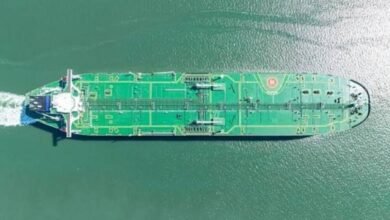
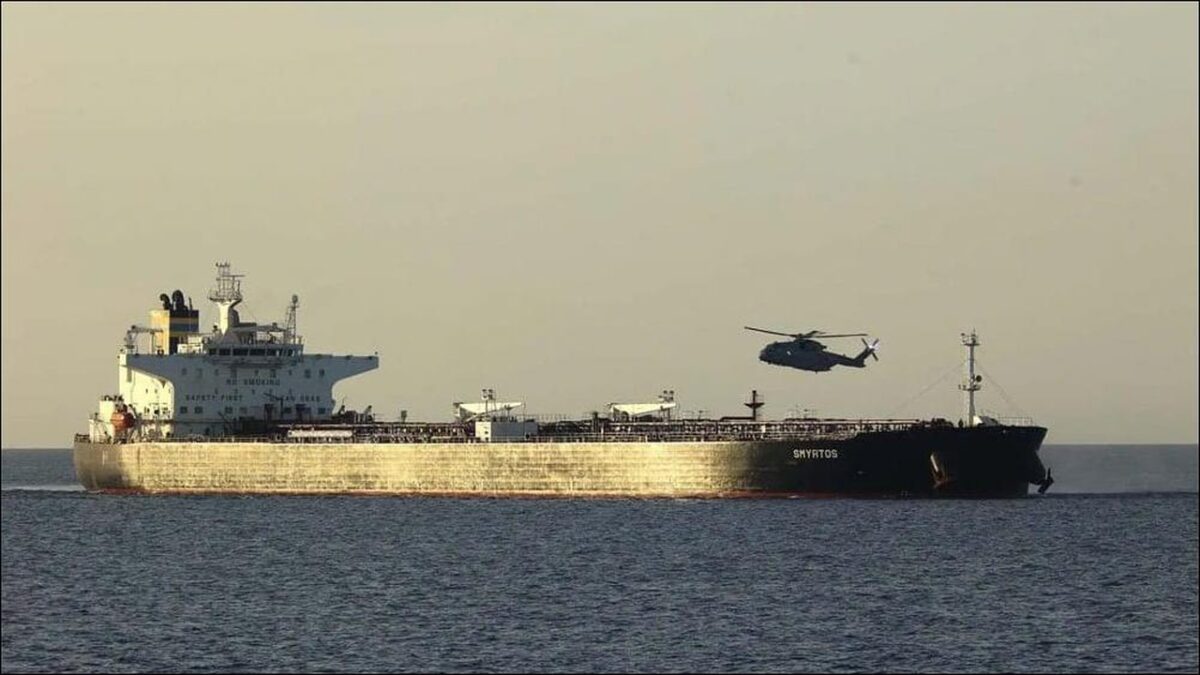
The Smyrtos, a 106,969 deadweight tonnage (dwt) tanker built in 2009, became the focal point of this maritime saga when UK forces intercepted it on June 14. This interception in the strategic English Channel stemmed from enhanced British maritime security operations targeting illegal shipping activities. The vessel was laden with an estimated 98,000 tonnes of oil, reportedly originating from Russia.
Operating for a Chinese company since 2025, the ship initially claimed to fly Cameroon’s flag. However, due to increasing international pressure from European nations, Cameroon had previously revoked flags from several vessels, including the Smyrtos, known to operate within the controversial shadow fleet. Consequently, the Smyrtos was labeled “stateless” and directed to anchor off Weymouth, where it remains under UK jurisdiction.
Two days after its detention, Captain Ajay Pant was formally charged with “directly or indirectly supplying or delivering by ship prohibited oil or oil products from Russia to a third country.” This serious charge carries a potential maximum sentence of a decade in prison, emphasizing the UK government’s grave view on violations of international economic sanctions. The case highlights the intricate global supply chains and the lengths entities may go to circumvent restrictions, posing significant challenges to regulatory bodies.
The Shadow Fleet Phenomenon and Global Sanctions Enforcement
The detention of the Smyrtos and its captain casts a spotlight on the burgeoning “shadow fleet” – a clandestine armada of aging tankers operating largely outside conventional maritime regulations. These vessels often employ deceptive shipping practices, such as disabling AIS transponders, engaging in ship-to-ship transfers, and frequently changing ownership or flag states to obscure their origins and destinations.
Their primary purpose is to facilitate the transport of oil from sanctioned countries, predominantly Russia and Iran, circumventing global price caps and embargoes imposed by Western nations. The expansion of this covert fleet poses substantial risks, not only to economic integrity but also environmental safety, given the vessels’ age and often poor maintenance, which increases the likelihood of spills or accidents.
International sanctions, particularly those targeting Russian oil exports, aim to curtail the Kremlin’s revenue. However, the shadow fleet presents a critical loophole, allowing significant Russian crude to reach global markets. This circumvention has prompted a coordinated international response, with countries like the UK intensifying enforcement efforts. The Smyrtos interdiction clearly demonstrates this heightened commitment to disrupting illicit trade networks.
Moreover, European pressure on flag states, leading to flag revocations from shadow vessels, signifies a broader strategy to diminish the fleet’s operational legitimacy. This multi-pronged approach involves legal, diplomatic, and operational measures to restore accountability within the maritime industry.
Legal Battle and Precedent-Setting Trial for Sanctions Violations
Captain Ajay Pant’s denial of bail on July 16 solidified the UK’s intent to vigorously pursue this case, with a trial now set for December 15. During court appearances, Pant’s legal team argued he was “simply following orders” and merely an employee of the vessel’s owners. This common defense in shipping cases attempts to shift accountability to corporate entities.
However, the UK prosecution alleges Captain Pant possessed direct knowledge of the cargo’s illicit nature and fully understood its transport violated international sanctions. Proving such intent and knowledge will be critical for the prosecution, aiming to demonstrate individual culpability beyond corporate responsibility. The legal proceedings against Captain Pant are expected to establish a significant precedent in maritime sanctions enforcement.
While vessels have been detained and fined, prosecuting and potentially imprisoning a captain for sanctions violations, especially involving the shadow fleet, is a rare and high-stakes maneuver. This trial will scrutinize maritime law, international trade regulations, and the personal responsibilities of ship masters. A conviction for Pant would send a powerful message across the global maritime industry about severe personal consequences for engaging in or facilitating sanctioned trade, regardless of one’s hierarchical position.
UK’s Stance on Maritime Enforcement and Future Implications
The UK’s proactive stance in detaining the Smyrtos and prosecuting its captain signals a clear commitment to upholding international law and enforcing economic sanctions. This action is part of a broader British government strategy to intensify its crackdown on the shadow fleet and enhance maritime security across its waters. The government has openly declared its intention to increase enforcement on stateless tankers, recognizing the environmental, safety, and security risks these unregulated vessels pose.
This aggressive approach marks a departure from previous, more cautious strategies, indicating a greater willingness to directly confront illicit maritime operations. The implications of this case extend beyond UK borders, sending a powerful message to other nations and shipping companies globally: engagement with the shadow fleet carries considerable legal and financial risks.
If the UK successfully prosecutes Captain Pant, it could inspire similar assertive actions from other maritime powers, leading to a more coordinated international effort to dismantle the shadow fleet’s operational capabilities. Furthermore, this case might prompt a reevaluation of due diligence practices within the shipping industry, compelling charterers, insurers, and financial institutions to exercise greater scrutiny with vessels suspected of involvement in sanctioned trade. Ultimately, the Smyrtos incident underscores a renewed global resolve to enforce maritime regulations and hold all actors accountable, from ship owners to individual captains.
The ongoing legal battle surrounding the Smyrtos and its Chinese captain, Ajay Pant, marks a pivotal moment in the global struggle against sanctions circumvention. With the UK denying bail to the Chinese captain of the detained shadow fleet tanker, the world observes a case poised to redefine the landscape of maritime enforcement. The outcome of Pant’s trial in December will determine his personal fate and establish crucial precedents for how international sanctions are applied and enforced within the complex world of global shipping.
This case serves as a stark reminder that national governments are increasingly prepared to take decisive action against illicit maritime activities, signaling a significant shift towards greater accountability for all participants in the shadow economy. The Smyrtos incident is a potent symbol of intensified efforts to secure maritime routes, uphold international law, and ensure those who profit from illegal trade face the full force of justice.